Budva is one of Montenegro’s most enchanting destinations, captivating visitors with its blend of ancient history, stunning beaches, and lively nightlife. This article will delve into Budva’s rich past, its cultural significance, and its role in Montenegro’s booming tourism industry, showcasing why this coastal town is a must-visit location on the Adriatic Sea.
The Historical Significance of Budva
Budva, crna gora, is not only celebrated for its stunning coastlines but also for its profound historical roots that date back over 2,500 years. Initially established as a fortified settlement by the Illyrians, Budva’s strategic location along the Adriatic Sea attracted various civilizations seeking to control trade routes and coastal access. The town flourished through the ages, marking its territory across different empires and nations.
The Romans took significant interest in Budva, known back then as “Bucium.” Under Roman rule, the settlement transformed into a flourishing port city, which facilitated commerce and cultural exchange. Roman architecture influenced Budva’s early structures, some remnants of which can still be appreciated today. Following the fall of the Roman Empire, Budva faced invasions from various tribes, but it was during the Middle Ages that the town truly began to consolidate its identity.
As the Byzantine Empire rose to prominence, Budva became a critical stop for traders and navigators. This era left an indelible mark on the town’s religious and cultural framework. By the 15th century, Budva fell under the control of the Venetian Republic, a period that transformed the town’s landscape and societal structure. The Venetians fortified Budva’s walls and built elegant palaces and churches, which encapsulated their distinct architectural style. This influence is visible in the town’s charming streets and public squares, where Gothic and Renaissance elements are seamlessly woven into the local aesthetic.
The historical tapestry of Budva is further enriched by its role in the region’s economic and strategic endeavors through the centuries. The diverse rulers who claimed Budva—each leaving a unique imprint—shaped its evolution from a simple fortress to a vibrant cultural hub. Today, as visitors stroll through the winding alleys, they can feel the echoes of the past, making Budva not only a coastal retreat but a living museum of its tumultuous and fascinating history.
The Architectural Marvels of the Old Town
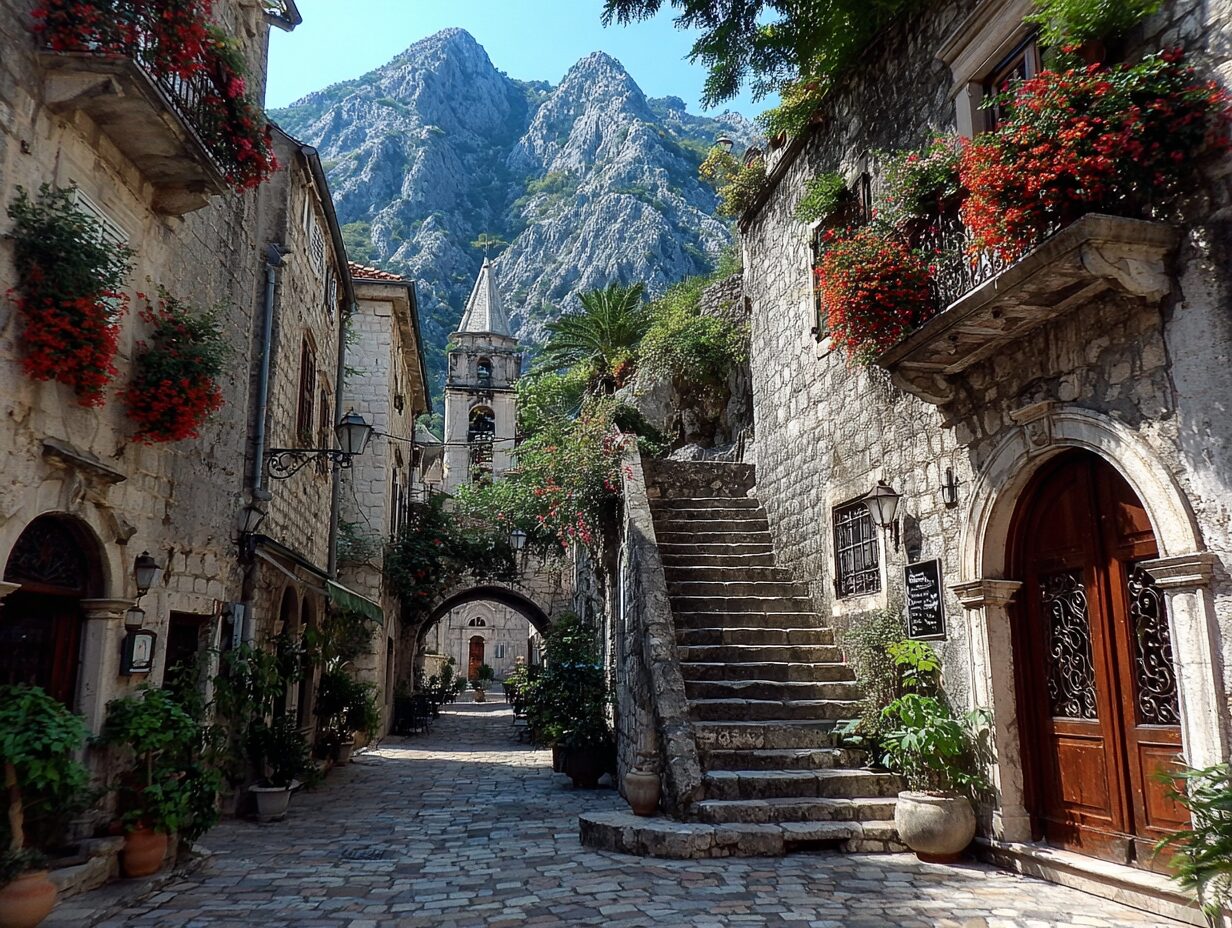
Budva’s Old Town is a captivating blend of history and architectural splendor, making it an essential stop for any visitor keen to experience the essence of this Adriatic gem. The fortified walls, which have stood the test of time, are reminiscences of a bygone era when the town was a significant naval hub. As you wander the cobbled streets, the essence of the Middle Ages emanates from the weathered stones, creating an atmosphere steeped in antiquity.
One of the most prominent features is the **Citadel**, a formidable structure that has guarded Budva for centuries. Built in the 15th century, it offers panoramic views of the Adriatic Sea and the surrounding landscape. The Citadel’s walls, thick and imposing, inspire awe while simultaneously providing insight into the military architecture typical of the Venetian era. Inside, visitors can explore remnants of the past, including ancient cannons and a small museum showcasing artifacts that tell stories of the town’s turbulent history.
Another architectural highlight is the **Church of St. John**, a stunningly preserved structure that reflects the town’s intertwining of faith and community. Its baroque design features intricate frescoes and a tall bell tower that beckons to both the faithful and the curious. The church’s serene ambiance serves as a stark contrast to the bustling streets of the Old Town, providing a sanctuary steeped in history and spirituality.
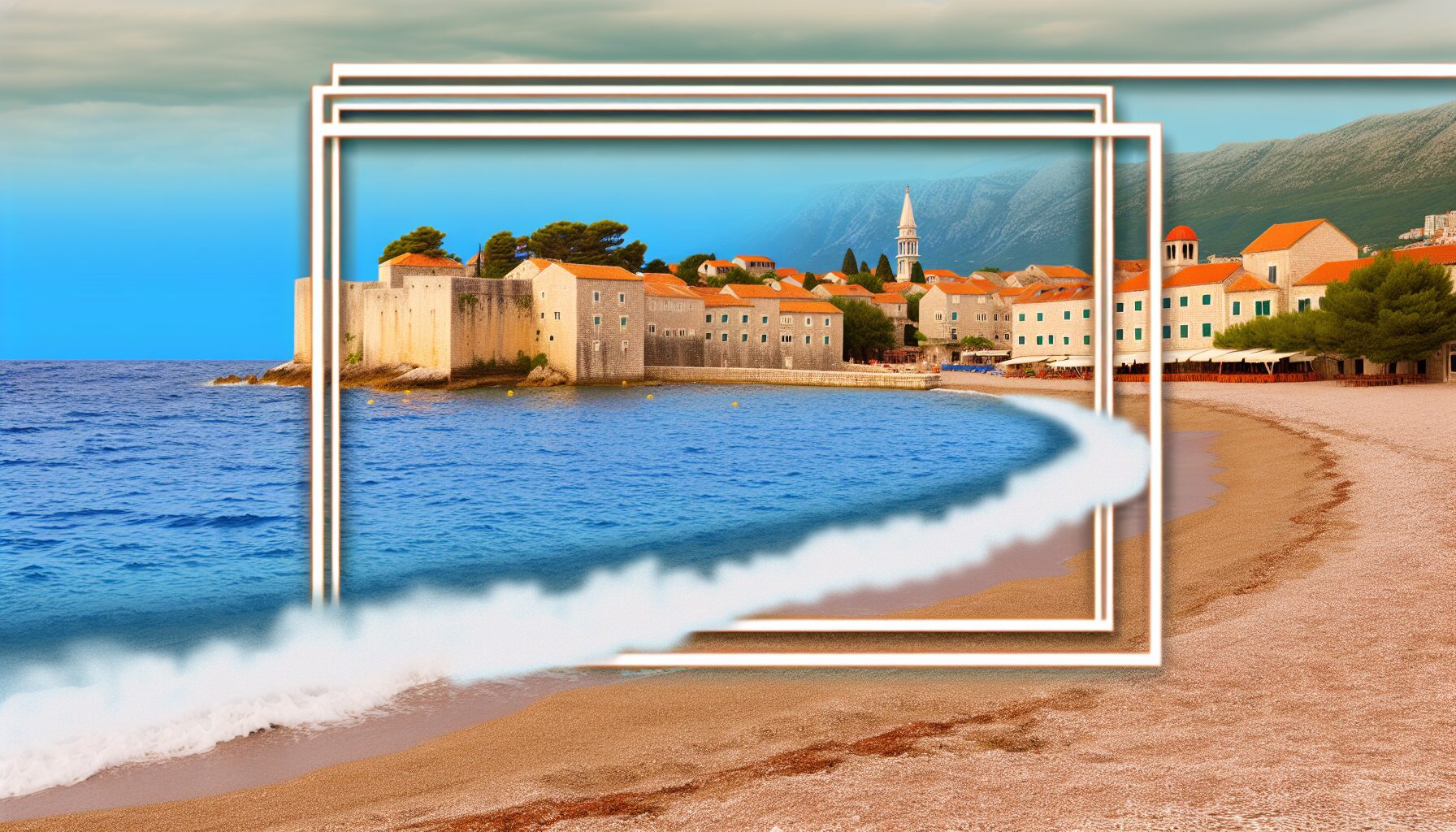
The **marina**, nestled within the protective embrace of the Old Town’s walls, is a vibrant area where leisure and culture intersect. Flanked by quaint cafés and seafood restaurants, it buzzes with the energy of locals and tourists alike. The sight of luxury yachts docked against the backdrop of centuries-old stone structures creates a striking juxtaposition of the old and new.
As you navigate through the charming streets, each corner seems to reveal yet another architectural gem, accentuated by the vibrant colors of window boxes filled with blooming flowers, embodying Budva’s rich cultural tapestry.
Diverse Beaches and Natural Beauty
The allure of Budva extends far beyond its medieval architecture; the town is equally revered for its stunning beaches and the breathtaking natural beauty that envelops it. Among these sun-kissed shores, **Mogren Beach** stands out as a true gem. Nestled between towering cliffs, this sandy cove is just a short walk from the Old Town. With its clear turquoise waters caressing the golden sand, Mogren Beach offers an idyllic escape for sunbathers and swimmers alike. The surrounding pine trees provide a natural canopy, giving visitors a sense of privacy amidst the lively atmosphere.
Another signature beach is **Slovenska Plaza**, a vibrant stretch that attracts both locals and tourists. This lively beach is known for its wide expanse of pebbles and soft sand, perfect for lounging or playing beach volleyball. Its promenade, lined with cafes, bars, and shops, pulses with energy and serves as a gathering spot for both socializing and indulging in delicious local cuisine. The shallow waters are ideal for families, making Slovenska Plaza a quintessential summer destination.
Beyond the beaches, the **Budva Riviera** enchants with its dramatic landscapes and scenic vistas. Stretching along the Adriatic coast, it showcases a series of stunning viewpoints that highlight the lush greenery juxtaposed against the sparkling sea. Hikers and nature enthusiasts can explore the nearby hills and cliffs, where panoramic views reveal hidden coves and pristine beaches. The contrast of the verdant landscapes with the azure waters creates a picturesque backdrop that is simply unforgettable.
The charm of Budva lies not only in its coastal beauty but also in the life that emerges from its natural surroundings. From sunrise to sunset, the beaches become not only a playground for relaxation but also a sanctuary for reflection, adventure, and the enjoyment of the vibrant life that the town generously offers. As visitors bask in the sun or take a dip in the warm waters, they experience the harmonious blend of nature and culture that defines Budva, enriching their journey through this remarkable town.
Cultural Life and Local Traditions
The cultural life in Budva is as enticing as its stunning beaches, offering visitors a rich tapestry woven from the threads of history, tradition, and modern vibrancy. The town pulses with energy, particularly during its many festivals that celebrate local customs and the broader Montenegrin heritage. Events such as the **Budva Music Festival** and the **Budva Carnival** transform the cobbled streets into a vibrant spectacle of sounds, colors, and flavors. Participants parade in traditional costumes, showcasing the region’s folklore and inviting everyone to immerse themselves in an experiential journey through time.
Local cuisine plays a pivotal role in Budva’s cultural identity. The fusion of Mediterranean and Balkan flavors can be tasted in traditional dishes such as **pršut** (cured ham), **šopska salata** (a refreshing salad of cucumbers, tomatoes, and peppers), and freshly caught seafood grilled to perfection. The local markets buzz with activity, where residents and visitors alike can indulge in an array of homemade specialties that celebrate the region’s agricultural bounty. The influence of neighboring countries, particularly Italy and Greece, is apparent, creating a delightful blend that defines Montenegrin gastronomy.
Art also flourishes in Budva, with numerous galleries showcasing the works of local artists whose styles reflect both historical influences and contemporary trends. The town hosts various art exhibitions throughout the year, allowing artists to display their creations amidst the picturesque backdrop of the Adriatic Sea. Influences from Italian Renaissance architecture are evident in the old town’s buildings, which stand as a testament to Budva’s long-standing relationships with various cultures.
Overall, the blend of festivals, cuisine, and arts in Budva creates a dynamic cultural scene that captures the essence of Montenegrin life. This vibrant atmosphere not only entertains but also fosters a sense of community, reflecting how history and modernity coexist in this timeless coastal town.
The Thriving Tourism Industry
The Thriving Tourism Industry: Budva’s rise as a premier tourist destination along Montenegro’s Adriatic coast can be traced back to its blend of stunning natural beauty, rich history, and vibrant culture. With its picturesque beaches, ancient architecture, and the charm of the old town, Budva has positioned itself as a must-visit locale, attracting millions of visitors each year.
The economic impact of this influx has been profound. Tourism generates a significant portion of the local economy, providing jobs and fostering the growth of various sectors. Local businesses, from restaurants and hotels to shops and tour operators, thrive on the steady stream of visitors. Many families depend on seasonal tourism to sustain their livelihoods, making the industry a critical component of Budva’s economic framework.
As competition among Adriatic destinations intensifies, Budva continuously adapts to cater to a diverse range of tourists. Modern amenities have been developed alongside efforts to preserve the historical integrity of the old town. Investments in infrastructure, such as improved transportation and enhanced public services, further underpin Budva’s growth trajectory. The popularity of organized tours, beach resorts, and wellness retreats has also diversified the types of visitors, extending the visitor season beyond the summer months.
However, the dependence on tourism presents challenges as well. Seasonal fluctuations can lead to economic instability, and the environmental impact of increased tourist activity raises concerns among residents and environmentalists alike. Ensuring sustainability while accommodating growth is crucial for preserving the town’s natural and cultural resources.
As Budva embraces its role as a prominent tourist hub, the evolving tourism landscape will undoubtedly shape the community’s future. Balancing the needs of locals with those of tourists will remain an essential part of Budva’s mission to preserve its unique charm and cultural richness amidst a booming industry.
Nightlife and Entertainment in Budva
After the sun dips below the horizon, Budva transforms into a distinct tapestry of energy and excitement, drawing in both locals and visitors who seek the vibrancy of its nightlife. Renowned for its eclectic mix of bars, nightclubs, and beach parties, the town becomes a lively social hub where the rhythmic pulse of music mingles with the salty sea air. This post-sunset metamorphosis is a significant part of Budva’s allure, showcasing the dynamic spirit of a timeless coastal town.
Along the picturesque waterfront, numerous beach bars come alive, offering a laid-back atmosphere where patrons can sip on cocktails while listening to the soothing sound of waves. Popular spots like Trocadero and The Top Lounge offer a unique blend of delicious drinks and stunning views, enticing guests to linger and socialize as the night unfolds. Many bars host happy hours and live music events, creating a welcoming environment that encourages camaraderie among guests.
As the clock ticks closer to midnight, the scene shifts from serene cocktails to high-energy dancing. Renowned nightclubs such as Club Maxim and Top Hill attract crowds in search of electrifying beats and world-class DJs. These venues, often adorned with stunning light displays and impressive sound systems, become the heartbeat of Budva’s nightlife. Here, the atmosphere brims with exhilaration, inviting party-goers to dance the night away under the stars.
Part of Budva’s charm lies in its fervent celebration of summer festivals, particularly the renowned Sea Dance Festival. This event not only amplifies the nightlife scene but also attracts international artists and visitors, contributing to the dynamic cultural tapestry that Budva embodies. As a melting pot of various cultures and backgrounds attracted by its vibrant nightlife, Budva stands as a testament to the timeless pursuit of joy and connection found in the heart of Montenegro’s Adriatic coast.
Conclusions
In conclusion, Budva stands out not only for its historical charm and natural beauty but also for its vibrant atmosphere, making it a premier tourist destination in Montenegro. The blend of rich history, stunning landscapes, and a thriving nightlife scene ensures that visitors will leave with unforgettable memories and a desire to return.