Montenegro in November is best for travelers who value quiet old towns, flexible sightseeing, local restaurants, low-season accommodation and dramatic landscapes more than beach weather. The coast remains the easiest region for a November trip: Kotor, Perast, Budva and Cetinje can form a rewarding cultural route, while Lake Skadar works well when wind and rain allow. The mountains require more caution because autumn can turn into winter quickly.
The short answer is that November can be worth visiting, but it is not a substitute for a summer holiday. Expect shorter days, a meaningful chance of rain, reduced boat and tourism services, and very limited appeal for ordinary swimming. In return, you can see famous places without peak-season pressure and build a trip around history, food, photography and scenic drives. This guide explains where to stay, what may be open, how to handle uncertain weather and how to plan a realistic seven-day itinerary.
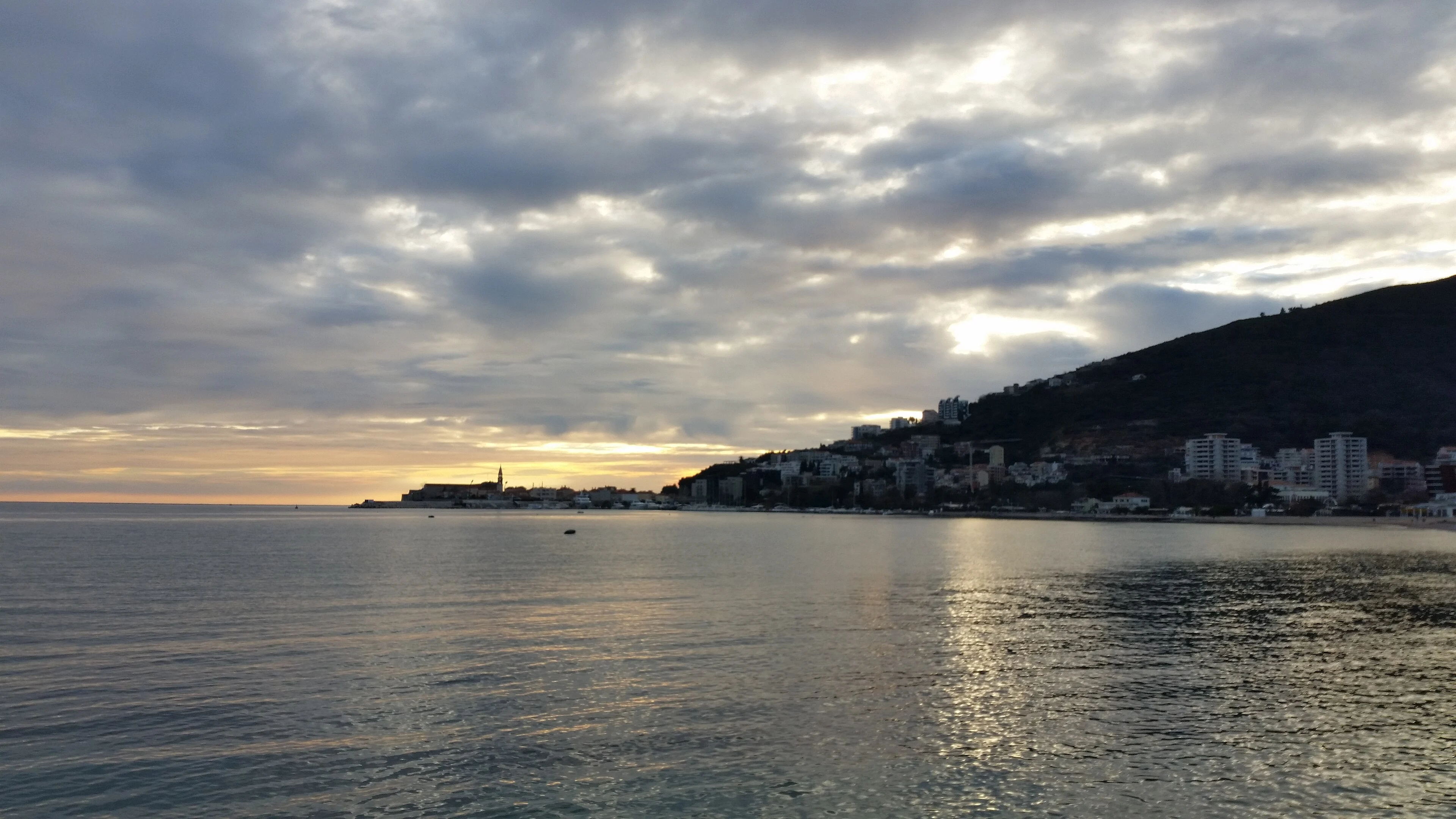

Is Montenegro worth visiting in November?
Yes, Montenegro is worth visiting in November for a quiet cultural or road trip, especially along the coast, but it is a poor choice for a conventional beach holiday or a hiking-first mountain itinerary. The month rewards travelers who can change plans when weather moves in and who do not expect every seasonal business to operate.
November suits couples, photographers, remote workers, independent road trippers and repeat visitors. It can also suit first-time visitors if they understand the tradeoff: the country is calmer and often less expensive, but the experience is less predictable. A sunny morning in Kotor may become a wet afternoon, a boat trip may not run, and a restaurant recommended in a summer guide may be closed for the season.
The best reasons to visit are clear:
- Kotor, Perast, Budva and Cetinje are easier to explore without summer heat and crowds;
- accommodation often has better availability than in high season;
- the coast can still produce mild, bright days suitable for walking and photography;
- museums, cafés, everyday shops and year-round restaurants provide a more local rhythm;
- autumn colors, cloud layers and mountain backdrops create strong scenery;
- a flexible itinerary can combine heritage, food, short walks and scenic driving.
The disadvantages matter just as much. November is commonly wet on the coast, daylight is limited, swimming is cold for most people, mountain conditions can become wintry, and tourism infrastructure is reduced. If your ideal Montenegro trip depends on beach clubs, regular group boats, rafting, high trails or long evenings outdoors, choose late spring through early autumn instead. For a wider seasonal comparison, use the Montenegro journal hub to explore other planning guides.
Montenegro in November weather: what should you expect?
Montenegro in November has three different travel realities: mild but often wet conditions on the Adriatic coast, cooler and changeable weather around Cetinje and Lake Skadar, and possible winter conditions in the northern mountains. A single national forecast is not enough for planning.
Historical averages can help with packing, but they cannot promise the conditions for a particular week. Check a reliable forecast shortly before travel and review it each morning. The practical issue is not only temperature. Rain intensity, wind, cloud base, road visibility and the time of sunset can change whether a boat ride, viewpoint or mountain drive is sensible.
Kotor Bay and the Adriatic coast
Kotor, Perast, Tivat, Budva, Bar and Ulcinj generally offer Montenegro’s mildest November conditions. Daytime walks can be comfortable in a light layer when the sun appears, while wet or windy periods can feel much colder. Evenings call for a proper jacket. Heavy rain is possible, and water can collect quickly on roads and stone streets.
Use dry mornings for exposed activities. Walk Kotor’s lanes, waterfront and fortification approaches early, then keep a museum, long lunch or café stop for later. The Kotor destination page is a useful starting point for deciding which old-town sights deserve priority. If the forecast is stable, combine Kotor with Perast and its baroque waterfront, but confirm boat availability locally rather than assuming summer frequency.
Budva is a practical second base because it has a larger year-round population and a compact old town, shops and restaurants. Its beaches are attractive for walking even when they are not suitable for a normal beach day. Explore the Budva guide before choosing between a heritage-focused stop and a longer coastal stay.
Cetinje and the Lake Skadar region
Cetinje sits higher than the coast and can feel distinctly colder. It remains one of the strongest bad-weather choices because museums and historic buildings provide substance beyond outdoor views. Check individual opening hours, especially on Mondays, public holidays and during the low season. The Cetinje destination guide can help you choose a manageable group of museums rather than rushing between every institution.
Lake Skadar can be atmospheric in November, with birds, low light and quiet villages, but wind and rain matter. Boat operations may be limited or arranged on demand. Never treat a lake departure as guaranteed until an operator confirms it. The official National Parks of Montenegro website is a useful source for current park information, while the Lake Skadar guide provides ideas for villages, viewpoints and experiences.
Durmitor, Žabljak and the northern mountains
Northern Montenegro may already have frost, snow, ice or rapidly changing road conditions in November. Žabljak can be beautiful, but it should not be added as a casual day trip from the coast. High trails may be unsuitable, seasonal services may be reduced, and a road that looks easy on a map can demand more time in poor visibility.
Only include the north if you have appropriate tires and equipment, monitor official road and weather information, and are ready to change the plan. November is not the month to assume that a summer hiking itinerary remains valid. For most first-time visitors with one week, a coast–Cetinje–Lake Skadar route is more resilient than attempting both the Adriatic and Durmitor.
Can you swim in Montenegro in November?
Most travelers should not plan a Montenegro trip around swimming in November. The Adriatic may look inviting on a bright day, and experienced cold-water swimmers may enter briefly, but the sea is usually too cool for a relaxed beach holiday. Wind, waves and the lack of lifeguards or operating beach facilities add practical risks.
Do not interpret one warm afternoon as evidence of summer conditions. Air and water temperature are different, and getting out into wind can be uncomfortable. If you choose to swim, use a familiar, safe entry, avoid rough water, do not swim alone, and have dry warm clothing ready. Families should assume that beach time means walking, collecting stones and enjoying the view rather than children spending an hour in the sea.
Travelers who need reliable swimming should book accommodation with a confirmed heated indoor pool or choose another month. Ask whether the pool is actually operating during your dates; “pool” in a property listing may mean an unheated outdoor facility that has closed for the season.
What remains open in November?
Year-round towns remain functional in November, but tourism-only services become inconsistent. Supermarkets, pharmacies, cafés, bakeries and many local restaurants continue operating in Kotor, Tivat, Budva, Bar, Podgorica and Cetinje. Seasonal beach venues, excursion kiosks, small hotels and some waterfront restaurants may close or shorten hours.
Plan around services that locals use rather than assuming a summer resort schedule. Before making a special journey, contact the business directly or check a recently updated official page. Map listings can be stale. A place marked “open” may have changed to weekend-only hours, while another marked closed may reopen for a holiday or event.
Boat trips require special caution. A private operator may accept a booking when weather allows, but regularly scheduled shared departures can be rare. Never build a non-refundable day around a boat unless it is confirmed. The same applies to some adventure products. Browse the Montenegro experiences hub for inspiration, then verify current availability for the exact November date.
Museums and religious sites are more reliable anchors, but opening hours can still change. Dress respectfully for churches and monasteries, carry a layer for cold interiors, and avoid planning several timed entries with long drives between them. November travel works best when each day has one priority and two optional additions.
Best places to visit in Montenegro in November
Kotor: best for first-time visitors and rainy-day flexibility
Kotor is the strongest November base for history, atmosphere and easy access to several Bay of Kotor stops. The old town is compact, museums and churches provide indoor alternatives, and the waterfront is pleasant when conditions clear. Reduced visitor numbers make early mornings and evenings feel especially calm.
The limitation is rain. Steep stone surfaces can become slippery, and climbing above the town is not a good idea during storms, strong wind or poor visibility. Choose shoes with grip. If a cruise ship is scheduled, use the quieter hours before arrival or after departure, but remember that November cruise traffic is far lighter than summer.
Stay two or three nights if you want a low-pressure trip. One day can focus on Kotor itself; another can combine Perast with a short bay drive. Avoid changing accommodation every night, because packing and parking in rain consume valuable daylight.
Perast: best for a quiet half-day
Perast is best treated as a flexible half-day from Kotor rather than a full November base for most travelers. Its waterfront, churches and mountain setting are beautiful in low-season light, but the village is small and some services may be closed.
Go when the forecast offers a dry window. Walk the waterfront, slow down for coffee or lunch if something suitable is open, and confirm any boat to Our Lady of the Rocks on the day. If boats do not run, Perast is still worthwhile from shore. Do not pressure an operator to depart in unsafe conditions simply because it was part of your plan.
Budva: best for a practical coastal base
Budva is useful in November for its old town, coastal walks and year-round services, not for nightlife or beach clubs. It can work as a one- or two-night base after Kotor, especially for travelers continuing toward Sveti Stefan viewpoints, Petrovac or Cetinje.
Walk the old town and nearby coast during a clear period. Treat Sveti Stefan as a scenic viewpoint rather than assuming island access. Be cautious on wet coastal paths and avoid exposed rocks during waves. Budva’s everyday infrastructure makes it easier to improvise meals and shopping than in a tiny seasonal resort.
Cetinje: best for culture and museums
Cetinje is Montenegro’s best November stop for travelers who want history, royal heritage and indoor cultural options. The old royal capital offers museums and a walkable center, making it a logical response to a cloudy day that is unsuitable for the lake or coast viewpoints.
Spend time on a curated selection rather than attempting every museum. Check opening times directly, then leave space for a café and a short town walk. The drive from the coast can encounter fog and wet roads, so allow more time than a navigation app’s ideal estimate.
Lake Skadar: best when the forecast cooperates
Lake Skadar is worth including in November only with a flexible plan. Virpazar, viewpoints and shoreline scenery can still be rewarding, while birdwatching has genuine autumn and winter appeal. However, boat conditions, rain and reduced services determine what is possible.
Choose an early or midday window with the best forecast. Contact operators before driving specifically for a cruise. If the water is unsuitable, use the day for a village meal, a safe viewpoint or a return to Cetinje or Podgorica. Do not force the famous narrow roads around Rijeka Crnojevića in darkness, fog or heavy rain.
A flexible 7-day Montenegro in November itinerary
The best seven-day November itinerary uses two main coastal bases and treats Cetinje and Lake Skadar as weather-dependent day trips. This reduces hotel changes and keeps alternatives available.
Day 1: Arrive and settle into Kotor Bay
Arrive at Tivat or Podgorica, transfer to Kotor and avoid overloading the first day. Walk the waterfront and old town if daylight remains. Buy water and breakfast supplies so a rainy morning does not begin with a search for an open café.
If you are deciding between airports, remember that Tivat is closer to Kotor but may have fewer off-season flight options. Podgorica offers a longer transfer but can fit naturally with Cetinje or Lake Skadar. Confirm schedules before choosing; summer route maps are not reliable for November.
Day 2: Kotor Old Town and the bay
Use the driest part of the day for Kotor’s outdoor lanes and viewpoints. Add the Maritime Museum or churches when rain starts. Do not climb exposed steps merely to complete a checklist. Wet stone and low cloud can remove both safety and the view.
End with an unhurried meal in town. November’s advantage is time: you can appreciate details that peak-season visitors often pass while moving through crowded streets.
Day 3: Perast and a flexible bay route
Check conditions before departure. If dry, travel to Perast and enjoy the waterfront. Add Risan or another nearby stop only if timing and interest justify it. A boat to Our Lady of the Rocks is optional and must depend on confirmed operation and safe weather.
If rain is persistent, keep the day in Kotor or visit a year-round indoor attraction. This is why three nights in one base work better than a rigid chain of hotels.
Day 4: Move to Budva
Travel to Budva after the morning traffic period if possible. Explore the old town and shoreline, then settle in for two or three nights. With a car, ask your accommodation about parking before arrival; old-town access and one-way streets can be confusing even outside summer.
If the weather is excellent, add a Sveti Stefan viewpoint before dusk. Do not leave a winding coastal detour until darkness.
Day 5: Cetinje culture day
Drive or take suitable transport to Cetinje. Prioritize two or three museums or heritage sites, check current hours and leave time for lunch. Carry a warmer layer because Cetinje can feel colder than Budva.
Return before conditions deteriorate. If the mountain road is foggy or heavy rain is forecast, move Cetinje to another day and stay on the coast.
Day 6: Lake Skadar or a coastal backup day
Use the best forecast day for Lake Skadar. Contact a boat operator in advance but remain willing to cancel. Visit Virpazar, consider a short cruise if conditions are safe, and enjoy local food without racing around the lake.
Your backup is a relaxed Budva day, Petrovac, or an indoor cultural stop. A backup is not a failure; it is the core of sensible November planning.
Day 7: Departure via Podgorica or Tivat
Match the final morning to your airport. For Podgorica, leave ample time for wet roads and use the city for a meal if the schedule allows. For Tivat, travel back around the bay with a generous buffer. Never rely on summer journey-time assumptions, but do not assume November roads are empty either: construction, rain and everyday traffic still cause delays.
Driving and transport in November
A rental car gives useful flexibility in November, but only when the driver is comfortable with rain, darkness, narrow roads and possible mountain weather. Ask the rental company which tires are fitted and what local seasonal rules apply. Inspect lights, wipers and tire condition before leaving.
Keep drives shorter than you would in summer. Sunset arrives early, and scenic roads become tiring in rain or fog. Avoid blindly following navigation shortcuts through steep village lanes. Main roads are usually the safer choice, even when an app suggests a slightly longer time.
Public buses can connect major towns, but frequencies may be lower than in summer and online timetables are not always current. Confirm at the station. A car-free Kotor–Budva trip is possible, while reaching flexible lake viewpoints or small villages is harder. Taxis and private transfers can fill gaps, but agree on the price or booking terms before departure.
What to pack for Montenegro in November
Pack for wet, layered travel rather than deep winter at sea level. Bring:
- a waterproof jacket with a hood;
- warm mid-layers that can be removed indoors;
- shoes with reliable grip on wet stone;
- a compact umbrella for town use, but not as your only rain protection in wind;
- a small day bag with a rain cover or waterproof pouch;
- quick-drying trousers and spare socks;
- sun protection for bright coastal days;
- a reusable water bottle and any essential medication;
- a car charger or power bank for navigation;
- warmer equipment if the northern mountains are genuinely part of the plan.
Do not bring only heavy winter clothing. Sunny coastal periods can feel mild, and overheating while walking is uncomfortable. Layers solve the contrast between a damp waterfront, a heated museum and a cool evening.
Common mistakes to avoid
The biggest November mistake is planning a summer itinerary at low-season prices. The landscape is still there, but operating hours, weather and daylight change the trip.
Avoid these errors:
- Assuming every boat trip runs. Confirm directly and accept weather cancellations.
- Relying on one national forecast. Compare the coast, Cetinje, Lake Skadar and the north separately.
- Driving mountain roads after dark without need. Build short days and arrive before sunset.
- Booking a different hotel every night. Two bases provide more flexibility.
- Expecting normal beach swimming. Choose an indoor heated pool if swimming matters.
- Trusting old map hours. Verify museums, restaurants and attractions close to the date.
- Forcing Durmitor into a coastal week. Add the north only with suitable conditions and preparation.
- Leaving no rainy-day option. Kotor museums, Cetinje and long local meals should be part of the plan, not emergency disappointments.
Frequently asked questions
Is Kotor open in November?
Kotor remains a living town in November, with residents, shops, cafés, restaurants, churches and museums. Tourism-only businesses may reduce hours or close, so verify specific attractions and restaurants.
Is Budva lively in November?
Budva remains functional but is much quieter than in summer. Expect local everyday life rather than beach clubs and peak nightlife. It is still useful for the old town, walks, food and a coastal base.
Does it snow in Montenegro in November?
Snow is possible in the northern mountains and at higher elevations, while the Adriatic coast usually experiences rain rather than snow. Conditions vary by year and altitude, so check current forecasts and road information.
Is Lake Skadar good in November?
Lake Skadar can be excellent for quiet scenery and birdwatching, but wind, rain and reduced boat schedules require flexibility. Confirm any boat locally and keep a land-based alternative.
How many days do you need?
Five to seven days are enough for a focused November trip through Kotor Bay, Budva, Cetinje and Lake Skadar. Add more time rather than more driving if you want the mountains.
Where to go next
Montenegro in November works when you plan for the season you will actually find: quieter, wetter, shorter and more flexible than summer. Base yourself in Kotor Bay and Budva, use Cetinje as a cultural anchor, add Lake Skadar when conditions cooperate, and treat mountain travel as a separate decision rather than an automatic extension.
Start with the broader Montenegro places directory to compare destinations, then use the journal planning guides for transport, airports, weather and itineraries. If current conditions and operating schedules align, the experiences collection can help you identify a guided next step. The best November trip is not the one that checks the most boxes; it is the one that leaves enough room to enjoy Montenegro safely when the weather changes.