Podgorica
Montenegro’s riverside capital — modern, green and an easy base for the south.
- Best time
- April–June and September–October (hot, dry summers)
- Ideal for
- City breaks, transport hub, day-trip base
- Time needed
- Half a day to a day
- Getting there
- Podgorica Airport (TGD) ~12 km; national rail & bus hub
- Region
- Podgorica
- Nearest airport
- Podgorica Airport (TGD), ~12 km
Ideal for
City breaks
Transport connections
Day-trip base
Budget travellers
Authentic local life
O nama Podgorica
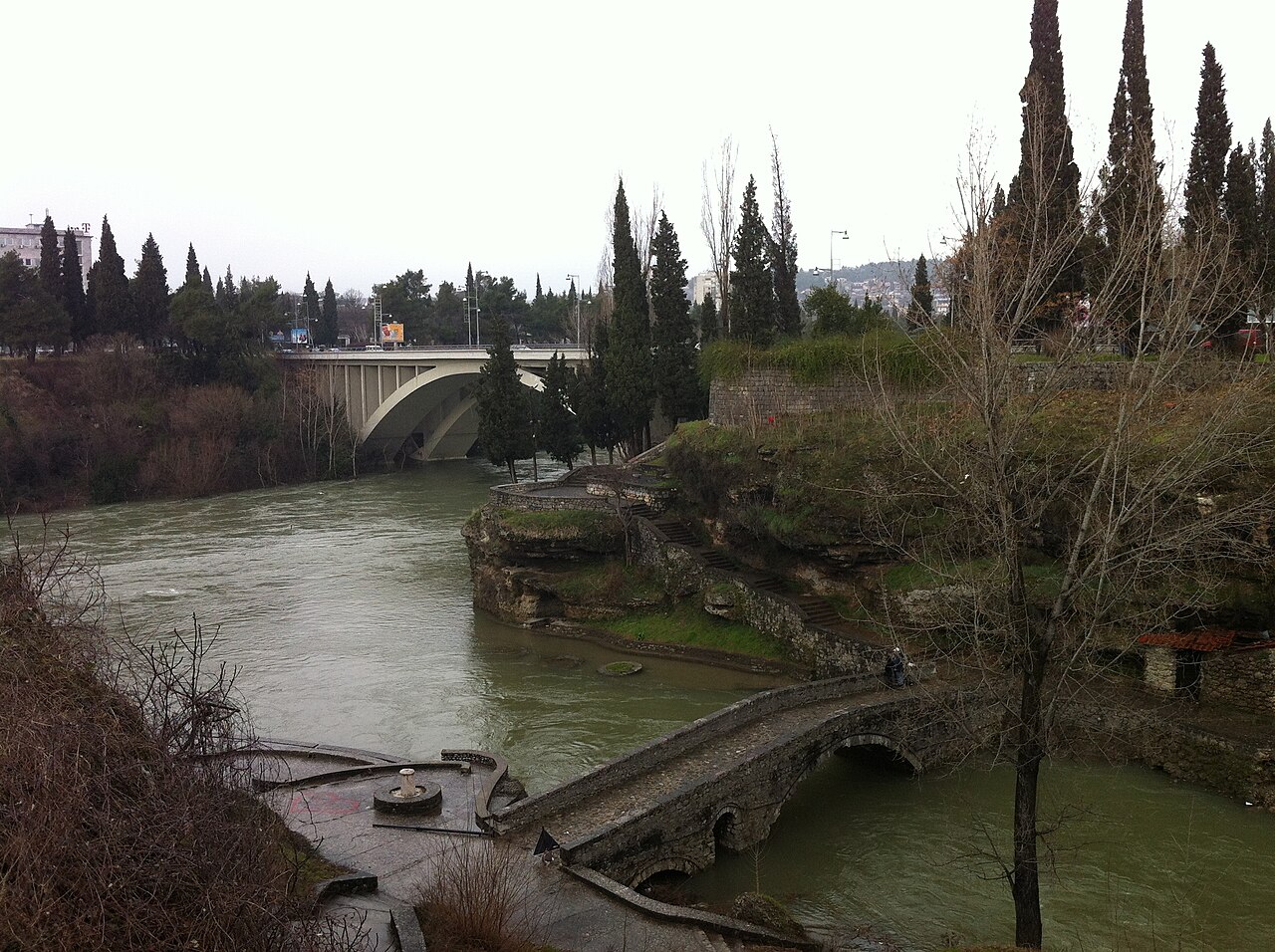
Rebuilt after heavy WWII bombing, Montenegro’s capital blends leafy boulevards and riverside cafés with pockets of Ottoman old town, a striking modern cathedral and the landmark Millennium Bridge over the Morača.
Podgorica sits where the Morača and Ribnica rivers meet, at the fertile centre of Montenegro’s Zeta plain. Allied bombing in 1944 levelled most of the historic city, so today’s capital is largely a post-war and modern creation of wide boulevards, parks and river promenades — more a place to live than a set-piece for tourists, which is exactly its appeal. The huge Cathedral of the Resurrection of Christ, completed in 2013, is the standout monument, its interior covered in bold contemporary frescoes. Across town, the Ottoman-era Stara Varoš keeps its narrow lanes, the Osmanagić Mosque and the 18th-century Sahat Kula clock tower. The Calatrava-style Millennium Bridge is the modern symbol, floodlit over the Morača at night. Just outside the city lie the atmospheric ruins of Roman Doclea. Podgorica is also the country’s transport hub — the main airport, bus and rail lines — putting Lake Skadar, Ostrog and the coast all within an easy day trip.
Istaknuto
Cathedral of the Resurrection of Christ
Stara Varoš & the Clock Tower
Millennium Bridge
Gorica hill park
Doclea (Duklja) Roman ruins
Where it is
A capital rebuilt
Podgorica has been settled since antiquity — the Romans knew nearby Doclea (Duklja), and the medieval town of Ribnica grew at the river confluence — but its modern face dates from reconstruction after the Second World War, when it was renamed Titograd until 1992. That history explains the open, orderly layout of boulevards and blocks rather than a dense old core. The result is a green, low-key capital where daily Montenegrin life plays out in riverside parks and café terraces rather than around monuments.
What to see
The gleaming Cathedral of the Resurrection of Christ, with its twin bell towers and vivid modern frescoes, is the city’s signature sight. The Ottoman quarter of Stara Varoš, across the Ribnica, preserves the Sahat Kula clock tower and old mosques. The Petrović Palace in Kruševac park houses a contemporary art centre, and the city and natural-history museums fill in the region’s story. For a view, climb the wooded Gorica hill that rises right beside the centre.
A base for central Montenegro
Podgorica’s real value to visitors is its position. Lake Skadar’s gateway village of Virpazar is about 40 minutes south; the cliff monastery of Ostrog is under an hour northwest; the royal old capital of Cetinje and the Lovćen road are half an hour away; and the coast at Bar is reachable by the scenic Bar–Belgrade railway. With the country’s main airport on its doorstep, many trips to Montenegro begin and end here.
Isplanirajte posjetu
Line up where to stay and what to do around Podgorica.
Official resources & further reading
Frequently asked questions
Is Podgorica worth visiting?
As a relaxed, authentic capital rather than a tourist showpiece — yes. It’s worth a day for its modern cathedral, Ottoman old-town quarter and riverside cafés, and it’s an ideal base for day trips to Lake Skadar, Ostrog and the coast.
How do I get to Podgorica?
Podgorica Airport (TGD) is about 12 km south of the centre; the city is also Montenegro’s main rail and bus hub, with direct trains to Bar on the coast and north toward Kolašin.
What is there to do in Podgorica?
See the modern Cathedral of the Resurrection, wander the Ottoman Stara Varoš and its clock tower, cross the Millennium Bridge, walk up Gorica hill park, and visit the Roman ruins of Doclea just outside town.
How long should I spend in Podgorica?
Half a day to a day covers the city itself; many travellers use it as a one- or two-night base for exploring Lake Skadar and central Montenegro.
Doživljaji u Podgorica
Podgorica, Montenegro
4,8
(4)
Hike to the Blue Eye, Prokletije’s Glowing Spring
Full day (10 hours)
95,00 €
po osobi
Podgorica, Montenegro
4,8
(8)
Ostrog Before Lunch: the Cliff Monastery Made Easy
4.5 hours
85,00 €
po osobi
Ostrog, Montenegro
4,7
(203)
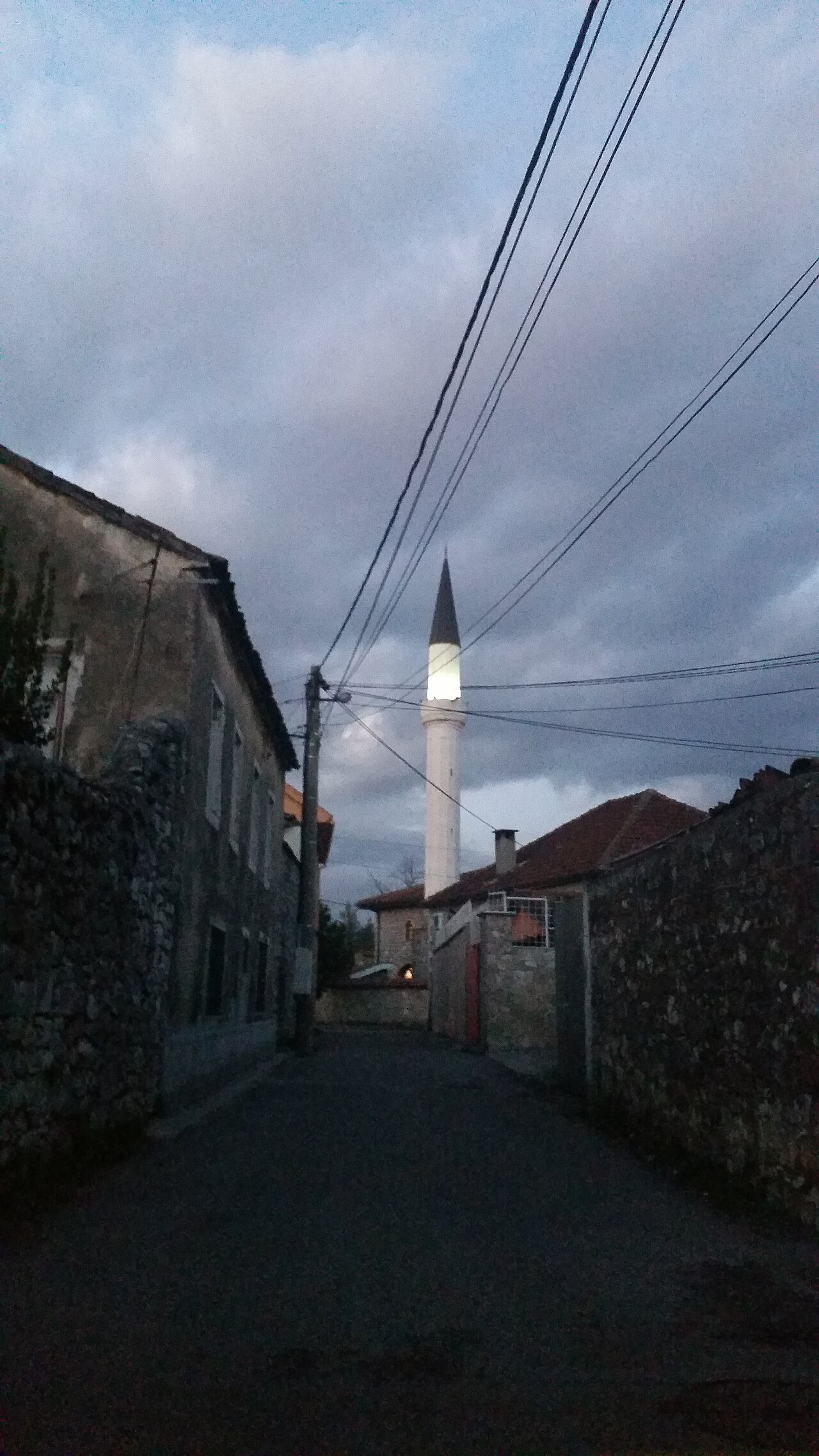
Ostrog Monastery Day Trip
7 hours
45,00 €
po osobi
Podgorica, Montenegro
5,0
(3)
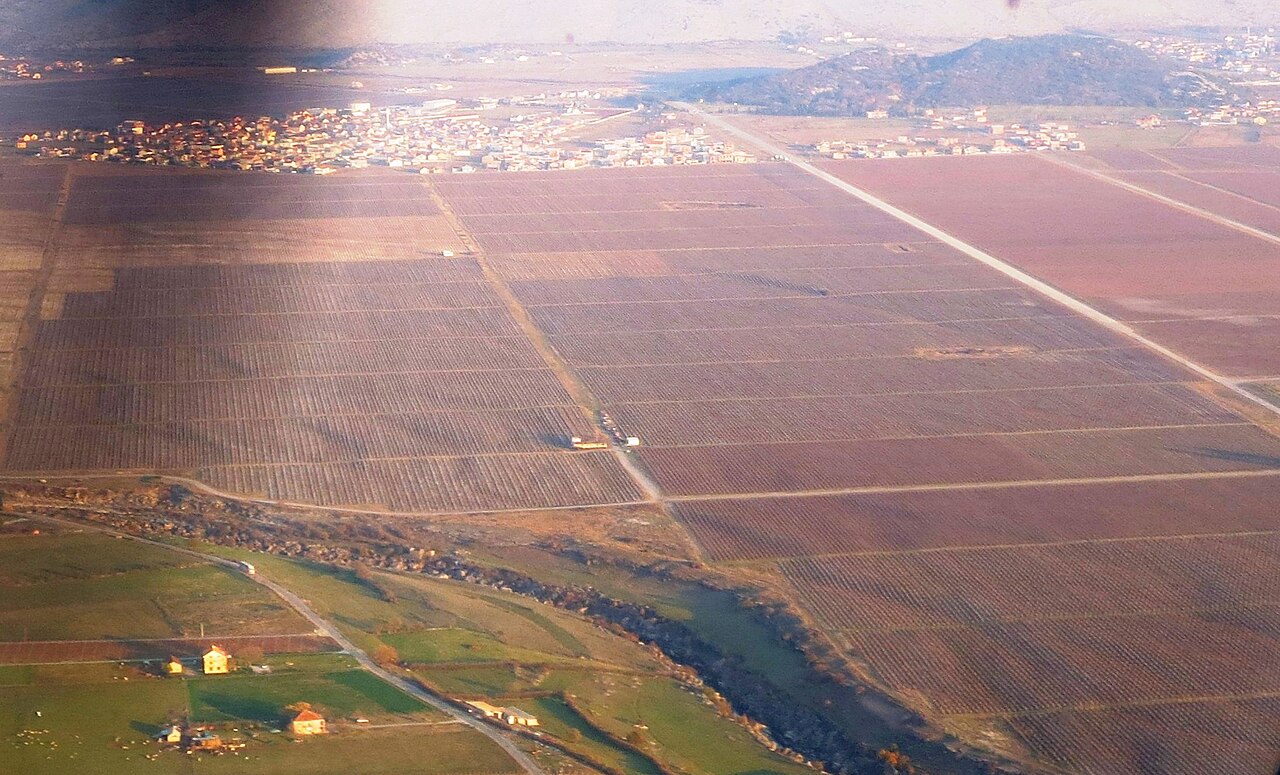
Podgorica, Decoded by a Local
2.5 hours
35,00 €
po osobi
Podgorica, Montenegro
4,8
(8)
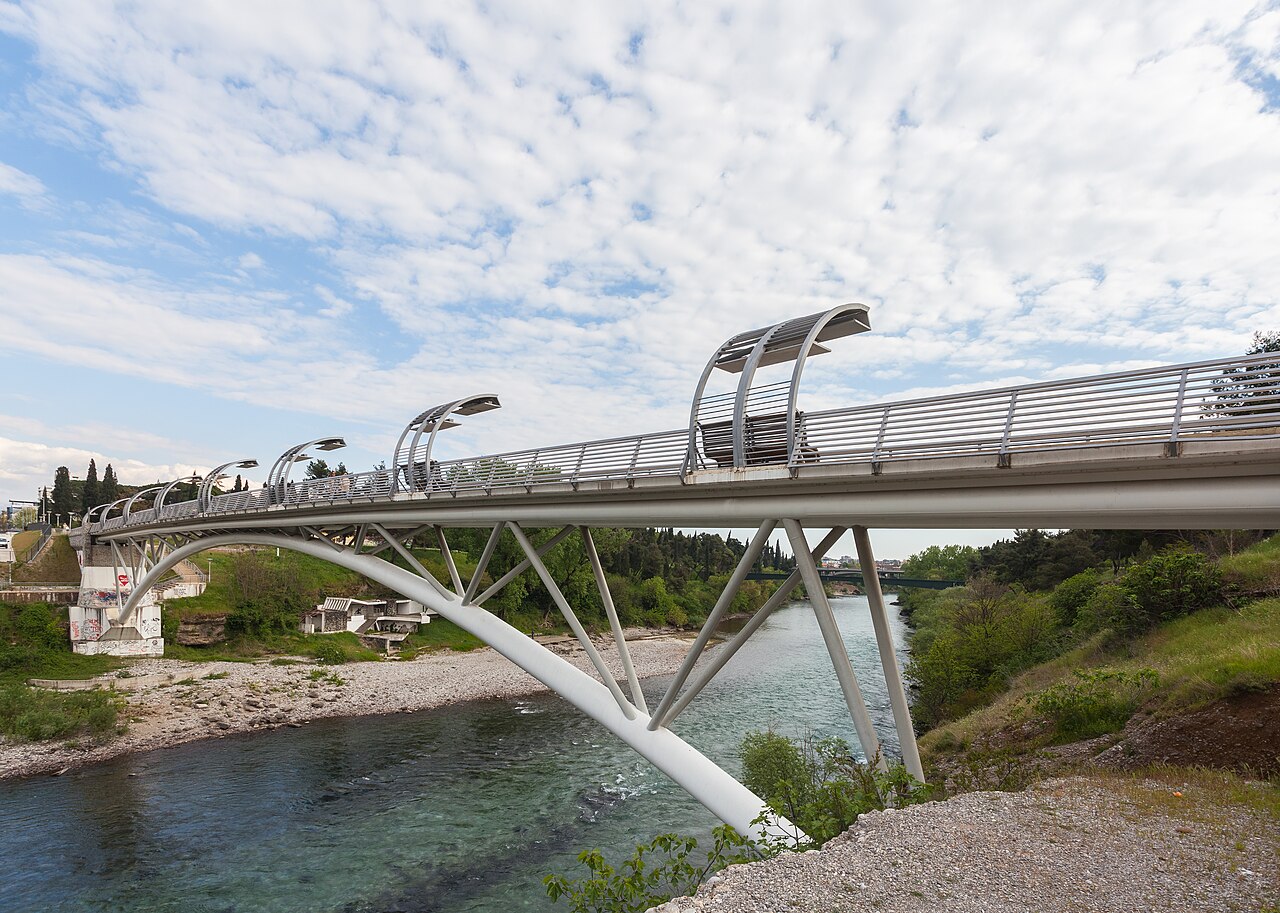
The Reserve Flight at Šipčanik Cellar
2 hours
65,00 €
55,00 €
po osobi
Omiljeno kod gostiju
Podgorica, Montenegro
4,4
(5)
Wine Below Ground: the Šipčanik Aircraft Tunnel
1 hour
23,00 €
po osobi
Podgorica, Montenegro
4,0
(5)
Šipčanik’s Cellar, Then Lunch Among the Vines
2.5 hours
65,00 €
po osobi