A Montenegro road trip is one of the easiest ways to connect the country's Adriatic towns, old royal capital, lake country and high mountains in a single week. The best first-time route is not a race around every famous pin: it is a seven-day loop with three bases—Kotor Bay, Lake Skadar or Cetinje, and Žabljak—followed by a final coastal night near Budva. That structure limits hotel changes while still giving you the Bay of Kotor, Lake Skadar, Durmitor and a choice of beaches or old towns.
By Djokic
This guide is for independent travelers renting a car, especially couples, friends and active families who want variety without driving all day. It explains what to do each day, which roads demand extra time, where parking becomes difficult, and how to adjust the mountain section outside summer. If you prefer buses, use our separate Montenegro without a car itinerary; the route below assumes you are comfortable with narrow roads, bends and occasional slow traffic.

Montenegro road trip in 7 days: the route at a glance
The most balanced seven-day Montenegro road trip is Kotor Bay for two nights, Lake Skadar or Cetinje for one night, Žabljak for two nights, and the Budva area for one night. It works because each transfer is also a sightseeing day rather than dead time on a motorway.
- Day 1: Arrive and settle in Kotor Bay
- Day 2: Kotor and Perast
- Day 3: Kotor to Cetinje and Lake Skadar
- Day 4: Lake Skadar to Žabljak via central Montenegro
- Day 5: Durmitor National Park and the Durmitor Ring, conditions permitting
- Day 6: Žabljak to the Budva Riviera
- Day 7: Budva, a final swim or old-town walk, and departure
This is a route framework, not a promise that every drive will match the optimistic time shown on a map. Montenegro is compact, but coastal congestion, one-lane stretches, viewpoints and mountain weather change the pace. Plan stops deliberately and avoid stacking a boat trip, a museum, a mountain road and a long transfer into the same afternoon.
Before booking, browse the Montenegro places hub to compare the character of each base, and check the experiences and activities hub for boat trips or guided days that can replace a self-drive segment.
Is seven days enough for a Montenegro road trip?
Seven days is enough for a rewarding first Montenegro road trip if you choose depth over completeness. You can experience the Bay of Kotor, Lake Skadar, Cetinje, Durmitor and the Budva coast, but you cannot explore every national park, beach and old town properly.
The main mistake is assuming that Montenegro's small size makes a new overnight stop sensible every day. It does not. Roads around the bay and coast can be slow, while mountain drives deserve daylight and unhurried attention. Three two-night-or-near-two-night bases create time for early starts, weather changes and meals that are not eaten beside a suitcase.
If you have only five days, remove Durmitor rather than compressing it into a day trip from Kotor. Spend two nights in Kotor Bay, one near Lake Skadar and two on the Budva or Ulcinj coast. If you have ten days, add a third night in Žabljak and two nights around Ulcinj or Luštica. The journal hub has deeper guides for travelers extending one region.
Day 1: arrive and choose the right Kotor Bay base
Use the first day to get oriented rather than chasing a full checklist. Pick up your car, drive to the bay in daylight if possible, check in, and walk somewhere close to your accommodation.
Kotor is the best base for first-time visitors who want medieval streets, fortress views and evening atmosphere within walking distance. It is also the busiest choice and the least convenient if your accommodation lacks parking. Dobrota, immediately along the waterfront from Kotor, is calmer and often easier for drivers. Perast is beautiful and romantic, but it has limited vehicle access and is better visited without luggage in the car.
If you land in Tivat, the transfer to Kotor Bay is short in distance but variable in traffic. If you land in Podgorica, allow a relaxed half day for collecting the car and reaching the coast. Dubrovnik arrivals add an international border; never schedule a fixed-time boat tour immediately after that crossing.
Use the evening for a waterfront walk and an early meal. Keep valuables out of sight in the car, confirm where you may park overnight, and save offline maps. Those small tasks make the next morning much smoother.
Day 2: Kotor early, then Perast without rushing
The best Kotor-and-Perast day starts in Kotor before tour groups fill the lanes, then moves to Perast for a slower afternoon. This order also avoids climbing Kotor's steps in the hottest part of the day during summer.
Walk through Kotor Old Town soon after breakfast. Focus on the street plan, squares, churches and city walls rather than trying to enter every attraction. If conditions are comfortable, climb toward San Giovanni Fortress or choose a shorter viewpoint. Carry water, wear shoes with grip and turn back if heat or rain makes the stone unsafe.
After lunch, drive or take local transport to Perast. The compact waterfront rewards a slower visit: walk from one end to the other, look across to the islets, and take a boat to Our Lady of the Rocks only if weather and schedules are suitable. Perast is not a place that improves when squeezed between multiple distant attractions.
Return to the same accommodation. A second night around Kotor means you can enjoy dinner without repacking and can leave before coastal traffic builds on Day 3.
Day 3: Kotor to Cetinje and Lake Skadar
Day 3 connects three distinct Montenegrin landscapes: the Bay of Kotor, the old royal capital of Cetinje and the wetlands of Lake Skadar. It is one of the most scenic days, but route choice should match your confidence and weather.
The historic Kotor–Njeguši road has dramatic hairpins and bay views. It is memorable for confident drivers in clear conditions, but it is narrow and can feel stressful when vehicles meet. Do not choose it merely because a navigation app saves it as the shortest scenic line. A longer main-road alternative is sensible in fog, heavy rain or if steep exposed bends make you uncomfortable.
Stop in Cetinje for two or three hours. Montenegro's former royal capital offers a useful cultural counterweight to the coast, with a walkable center, monasteries and museums. Choose one museum rather than attempting all of them, then continue toward the lake.
For the night, decide between Cetinje and the Lake Skadar area. Cetinje is practical for culture and restaurants. Virpazar is better if a morning boat trip is your priority. Small lakeside villages are atmospheric but require careful arrival planning because roads can be narrow and evening services limited.
The Lake Skadar destination guide helps you choose the right shore and pace. If you book a boat, use an established local operator, confirm the departure point, and remember that wind, rain and water conditions can change plans.
Day 4: Lake Skadar to Žabljak without turning it into a race
The transfer from Lake Skadar to Žabljak should be treated as a full travel day with one or two meaningful stops. The landscape changes from low wetlands and vineyards to river canyons and mountain plateaus, so the drive itself is part of the experience.
If you stayed near Virpazar, take a short morning boat trip only if you can leave with ample daylight remaining. Otherwise, walk the village, have breakfast and start north. Depending on your route, Podgorica or Nikšić can provide a practical fuel and lunch stop. Ostrog Monastery is significant, but adding it creates extra bends, traffic and time; include it only if it is a genuine priority, not because every itinerary lists it.
Arrive in Žabljak before dark. Mountain temperatures can be far lower than those on the coast, even on the same day. Check in, buy any supplies you need, and walk near town or rest. Save Black Lake for Day 5 when you can give it proper time.
A useful rule is to refuel before remote scenic loops, download maps, and keep a warm layer accessible rather than buried under luggage. Mobile coverage is not a substitute for a route plan, and estimated arrival time does not include photography stops.
Day 5: Durmitor National Park and the Durmitor Ring
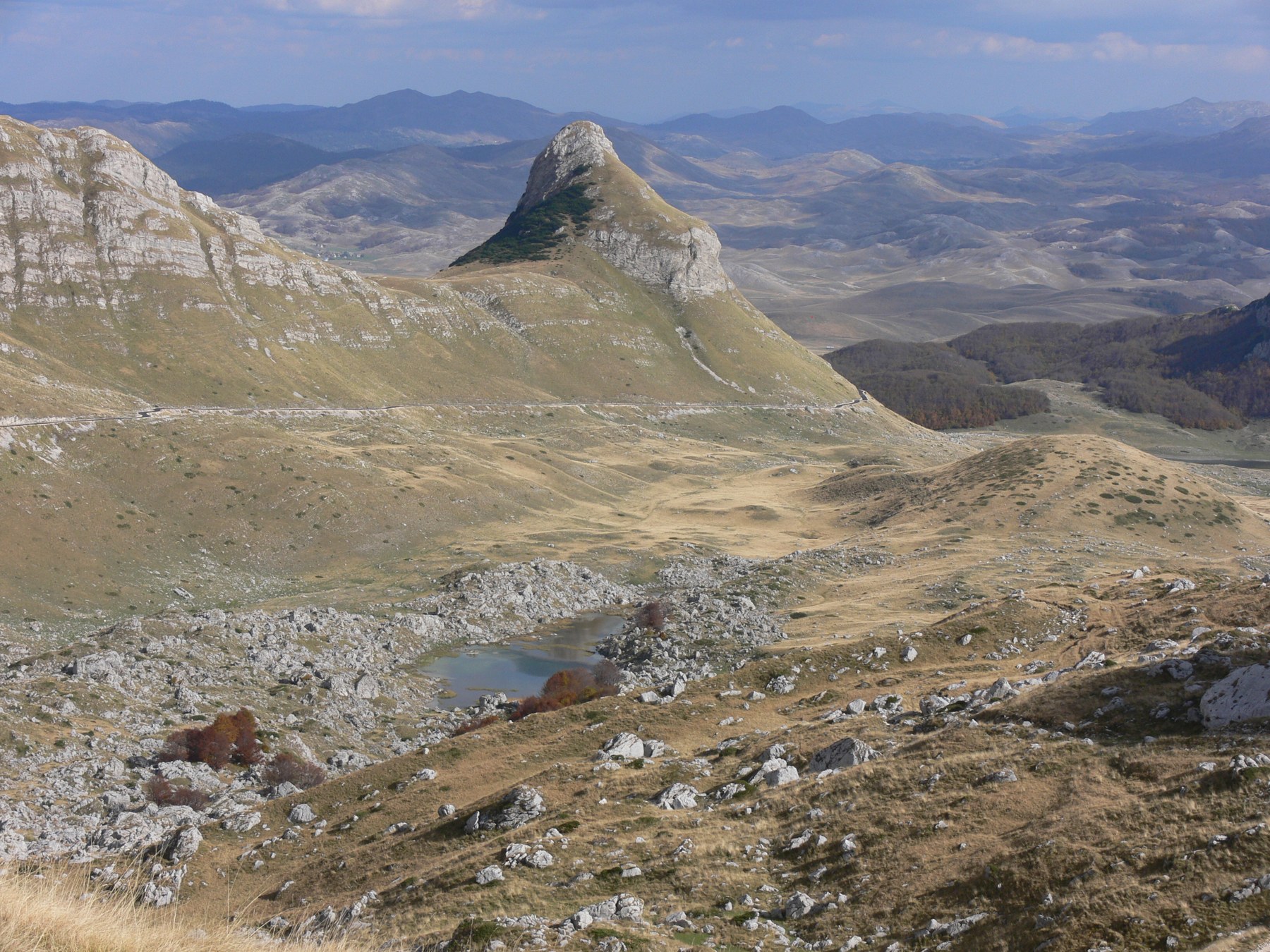
Spend Day 5 entirely around Durmitor; do not combine the park with a return to the coast. The best plan depends on season, road conditions and how much hiking you want.
For a moderate day, begin at Black Lake and walk the lakeside trail or a section of it. Continue to a viewpoint over the Tara Canyon, then return to Žabljak. This option gives you mountain scenery without committing to a remote full loop.
Experienced, confident drivers may choose the Durmitor Ring, an approximately 80-kilometer circuit through high pastures, villages and the Sedlo area. The road includes narrow sections where meeting another vehicle requires patience. Drive clockwise or counterclockwise based on current local advice, start with a full tank, and allow much more time than the distance suggests. Do not attempt the loop when snow, ice, dense fog or official restrictions make it unsafe.
The mountain section is best from late spring into early autumn, but exact opening conditions vary by year and elevation. The official Montenegro tourism site notes that hiking in the major mountain massifs is generally best from June through October; that is broad seasonal guidance, not a guarantee that every high road or trail is open. Ask your accommodation or the national park office about conditions on the day.
If the ring is unsuitable, the trip is not wasted. Black Lake, shorter forest walks, viewpoints closer to Žabljak and a long traditional lunch make a strong alternative. A flexible day is better than treating a scenic road as an obligation.
Day 6: Žabljak to Budva—choose the efficient route
Day 6 is the longest transfer, so choose a reliable main-road route and save optional detours for another trip. Leave after breakfast and aim to reach the coast with time for a late-afternoon walk.
Navigation apps may present several routes toward Budva. Select based on current road notices, weather and your next accommodation—not only the smallest number of minutes. Mountain roads can be tiring, and coastal traffic often slows sharply as you approach popular towns.
Budva suits travelers who want restaurants, nightlife and easy access to beaches. Bečići is often a calmer overnight option with a long waterfront, while Petrovac works well for a quieter final evening farther south. Confirm parking before arrival. Driving into the historic core is neither necessary nor useful; park at your accommodation or an official lot and explore on foot.
If you reach Budva early, walk the Old Town and waterfront. If you arrive tired, have dinner nearby and leave sightseeing for the next morning. Fatigue is a poor reason to add one more viewpoint.
Day 7: a flexible coast day and departure
Keep the final day flexible because your best plan depends on flight time, airport and weather. For a late departure, choose one coastal experience rather than attempting a chain of towns.
In warm, calm weather, spend the morning at a beach near Budva or Bečići. In cooler or rainy conditions, explore Budva Old Town, stop in Cetinje if routing to Podgorica makes sense, or have a long lunch before returning the car. Travelers departing from Tivat should allow for coastal congestion. Those returning to Podgorica need enough margin for the inland drive and fuel stop.
Do not plan a swim, a boat excursion and an airport transfer back-to-back. Rental returns take time, petrol stations can be busy, and summer roads around the bay are unpredictable. A simple last morning is the safest ending to a successful loop.
When is the best time for a Montenegro road trip?
May, June, September and early October usually offer the best balance for a coast-and-mountains Montenegro road trip. These periods often provide milder sightseeing weather and less pressure than peak summer, while mountain access is more likely than in winter.
July and August offer hot beach weather and the widest seasonal opening hours, but they also bring heavy traffic, crowded parking and heat that makes exposed walks harder. Reserve accommodation and parking early, start driving in the morning, and reduce the number of stops.
Late autumn through early spring needs a different route. Keep the coast, Kotor, Cetinje and lower Lake Skadar areas, but treat Durmitor as weather-dependent. Snow tires, chains or closures may apply, and the Durmitor Ring should never be assumed open. A winter road trip is not simply the summer itinerary with a warmer jacket.
Driving and rental-car advice that changes the trip
Montenegro is manageable by car, but confident defensive driving matters more than covering large distances. Roads range from modern main routes to narrow village lanes and exposed mountain sections.
Rent the car you can control
A small car is easier to park and pass on narrow roads. Choose an automatic if manual hill starts would add stress. Check whether your contract permits border crossings if arriving from Croatia, Bosnia and Herzegovina or Albania, and ask whether unpaved roads are excluded from coverage.
Photograph the car at collection, including wheels and glass. Understand the deposit, excess and fuel policy before leaving the desk. Keep the rental documents and emergency number available offline.
Treat map times as a minimum
Add time for traffic, construction, viewpoints and slow vehicles. Avoid remote mountain driving after dark. Download offline maps, but follow road signs and current closures rather than accepting every shortcut suggested by an app.
Solve parking before arrival
Parking is the hidden constraint of a Montenegro road trip. Ask each accommodation for exact instructions and whether the space is guaranteed. In Kotor and Budva, a room advertised as “near parking” is not the same as a reserved place. Use official lots and never leave passports or electronics visible.
Keep the route flexible
Weather can differ radically between Kotor and Žabljak. Check forecasts for both the coast and mountains each morning. Replace a high road with a museum, lake village or lower-elevation walk when conditions deteriorate.
Common Montenegro road trip mistakes to avoid
The biggest mistakes are changing hotels every night, trusting drive-time estimates literally, and forcing mountain routes in poor weather. Avoiding those three errors makes the trip calmer and safer.
Other frequent problems include:
- collecting a rental car without confirming border or insurance rules;
- booking old-town accommodation without understanding parking access;
- leaving luggage visible during sightseeing stops;
- attempting Kotor, Perast, Lovćen, Cetinje and Lake Skadar in one rushed day;
- assuming every boat, restaurant and attraction operates year-round;
- following an unpaved navigation shortcut in a standard rental car;
- treating Durmitor as a quick photo stop rather than a mountain region.
The route should serve the traveler, not the other way around. Remove a stop whenever weather, fatigue or traffic starts dictating the day.
Montenegro road trip FAQ
How many days do you need for a Montenegro road trip?
Seven days is a practical minimum for combining Kotor Bay, Lake Skadar, Cetinje, Durmitor and Budva. Ten days is better if you want serious hiking, beach time or Ulcinj without rushing.
Can beginners drive in Montenegro?
A cautious beginner can manage main roads and coastal transfers, but the Kotor Serpentine, remote lake lanes and Durmitor Ring are not ideal first mountain drives. Choose main-road alternatives, drive in daylight and rent a small automatic if that reduces stress.
Do you need a car in Kotor and Budva?
No. Both historic centers are best explored on foot. The car is useful for moving between regions, but it should remain parked while you explore compact old towns.
Is the Durmitor Ring open all year?
No. Snow and ice can close or make high sections unsafe outside the warmer season. Verify current conditions locally and have a lower-elevation alternative.
Should you stay in Kotor or Budva?
Choose Kotor for bay scenery, history and easy access to Perast. Choose Budva for beaches, a larger resort atmosphere and nightlife. On this route, staying in both gives each place a distinct role.
Can this route start in Podgorica?
Yes. Drive first to Lake Skadar or Cetinje, continue to Kotor Bay, then Durmitor and return to Podgorica. Keep the same three-base principle rather than following the day numbers rigidly.
Where to go next
A good Montenegro road trip leaves room to return. Add Ulcinj and the long southern beaches for a warmer coastal extension, spend extra nights around Lake Skadar for villages and wine, or remain in Durmitor for longer hikes when conditions are stable.
Start by comparing destinations in the places directory, explore bookable ideas in Montenegro experiences, and use the travel journal for focused guides. For this first seven-day loop, remember the central decision: two nights in Kotor Bay, one around Cetinje or Lake Skadar, two in Žabljak and a final coast night. That is enough variety to understand Montenegro without spending the entire holiday checking in, checking out and watching the road.