By Djokic
Choosing where to stay in Montenegro is less about finding the country’s single “best” town and more about matching a base to your travel rhythm. Kotor is best for medieval atmosphere and Bay of Kotor day trips; Budva is better for beaches and nightlife; Tivat suits polished waterfront stays and easy airport access; Ulcinj works for long sandy beaches; Lake Skadar rewards slow nature-focused trips; and Žabljak is the practical base for Durmitor hiking.
For a first visit of seven to ten days, the strongest plan is usually two or three bases rather than one: spend three or four nights around Kotor Bay, two or three nights on the open coast or Lake Skadar, and two nights in the northern mountains if hiking matters. This guide compares the trade-offs, shows who each area suits, and explains when changing hotels genuinely improves the trip.
Where to stay in Montenegro: the quick answer
Stay in Kotor or nearby Dobrota for a first trip focused on scenery, history and boat excursions. Choose Budva for swimming, nightlife and a larger choice of restaurants. Pick Tivat for comfort, marina life and a short transfer from Tivat Airport. Choose Ulcinj for sand, kitesurfing and a more relaxed southern-coast identity. Stay by Lake Skadar for wine, wildlife and quiet mornings, or in Žabljak for Durmitor.
- Best first-time base: Kotor or Dobrota
- Best for beaches and nightlife: Budva
- Best for couples seeking a quiet bay: Perast or Prčanj
- Best for modern luxury and airport convenience: Tivat
- Best for sandy beaches: Ulcinj and Velika Plaža
- Best for nature, wine and slow travel: Virpazar or Rijeka Crnojevića
- Best for hiking: Žabljak
- Best for a car-free trip: Kotor, Budva or Tivat, combined with organized day trips
Before booking, browse the site’s Montenegro destination guides and hotel collection. The correct neighborhood often matters more than the town name: Kotor Old Town and Dobrota, for example, deliver very different nights despite being close together.
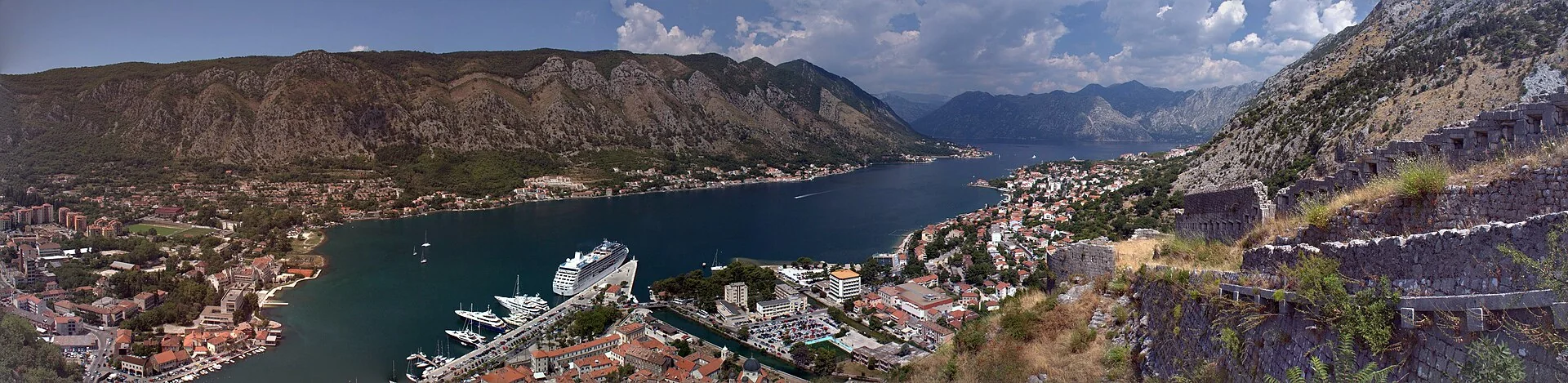
How to choose the right Montenegro base
The decisive questions are whether you want beach time or sightseeing, whether you will drive, and how often you are willing to move. Montenegro looks compact on a map, but summer traffic, mountain roads and border queues can turn a short distance into a slow transfer. A base that is perfect in May may feel congested in August.
Choose by trip purpose, not by fame
Kotor is Montenegro’s most recognizable historic base, but it has no broad sandy beach and cruise-ship days can be busy. Budva has more conventional holiday infrastructure and easier beach access, but its modern development and nightlife are not ideal for every traveler. Perast is beautiful and intimate, yet limited for parking, groceries and late-night choices. Žabljak is essential for serious mountain days but makes little sense as a base for repeated coastal excursions.
A useful rule is to protect your highest-priority mornings. If you want to walk Kotor’s walls before crowds and heat, sleep nearby. If your priority is swimming at Velika Plaža, do not commute from the Bay of Kotor. If you want sunrise at Black Lake, stay in Žabljak rather than planning an exhausting day trip from the coast.
Decide whether you need a car
Travelers without a car should favor central, walkable accommodation near a bus station or reliable excursion pickup. Kotor, Budva and Tivat are the simplest coastal bases, though timetables and delays require flexibility. Our seven-day Montenegro itinerary without a car explains a realistic route rather than pretending every rural attraction is easy by bus.
With a rental car, you gain access to quieter villages, Lake Skadar viewpoints and mountain trailheads. The trade-off is parking. Confirm that accommodation has an actual reserved space, not merely “street parking nearby,” especially in Kotor, Perast and Budva during summer.
Plan around season and traffic
July and August suit travelers who prioritize warm sea temperatures and a fully active resort scene, but these months bring the highest accommodation pressure and slowest coastal traffic. May, June, September and early October are usually better for mixing towns, hikes and boat trips. In winter, Kotor, Podgorica and the mountain resorts remain more practical than small seasonal beach settlements where restaurants and services may close.
For a month-by-month comparison, use the seasonal guide to visiting Montenegro. Always check current road and weather conditions before a mountain transfer.
Kotor and Dobrota: best for a first trip
Kotor is the best all-round base for first-time visitors who value historic streets, dramatic bay scenery and easy access to boat trips. Dobrota is the smarter choice if you want the same area with more space, waterfront swimming spots and quieter nights.
Inside Kotor Old Town, you can step out for an early walk before day visitors arrive, return for a rest during the busiest hours, and enjoy the lanes after evening crowds thin. The drawbacks are church bells, late-night noise in some streets, stairs in old buildings and difficult luggage access. Ask about room location and elevator availability rather than assuming a boutique listing is effortless.
Dobrota stretches north along the bay. Depending on the exact address, walking to the Old Town may take roughly 15 to 40 minutes. It offers apartment terraces, small waterfront platforms and restaurants along the shore. It is particularly useful for families and travelers staying more than two nights. Confirm the walking distance on a map because listings sometimes use “Kotor” broadly.
Use the Kotor place guide to plan the fortress, Old Town and bay. Kotor works well for day trips to Perast and Our Lady of the Rocks, the Luštica Peninsula, Lovćen and Cetinje. Explore bookable options through Montenegro experiences and activities rather than trying to force every excursion onto local buses.
Who should not stay in Kotor?
Do not make Kotor your only base if a long, sandy beach is non-negotiable. The bay has swimming places, but they are commonly small pebble sections, jetties or concrete platforms. Travelers seeking clubs, large beach bars and resort-style days will generally prefer Budva. Drivers who hate dense traffic and uncertain parking should choose a property with verified parking in Dobrota, Muo or Prčanj rather than the Old Town.
Perast, Prčanj and Muo: best for romantic bay stays
Perast is best for couples who want heritage, waterfront dinners and a slow evening after day visitors leave. Prčanj and Muo are better for apartment space, local waterfront life and views across the bay.
Perast is tiny, elegant and easy to understand. One or two nights can be memorable, especially if your ideal day includes an island boat ride, a leisurely lunch and swimming from the waterfront. It is not the best operational base for a packed itinerary: parking is controlled, bus frequency is limited, and restaurant choice narrows outside the main season.
Prčanj and Muo trade convenience for calm. Muo faces Kotor across the water and can offer exceptional Old Town views, but the road is narrow and pedestrian conditions vary. Prčanj feels more like a linear bay village, with stone churches, swimming platforms and apartments. A car is helpful, provided parking is included.
These villages suit two kinds of travelers: couples splitting their trip between coast and mountains, and return visitors who do not need to tick off every major sight. First-timers with only three nights should normally choose Kotor or Dobrota instead.
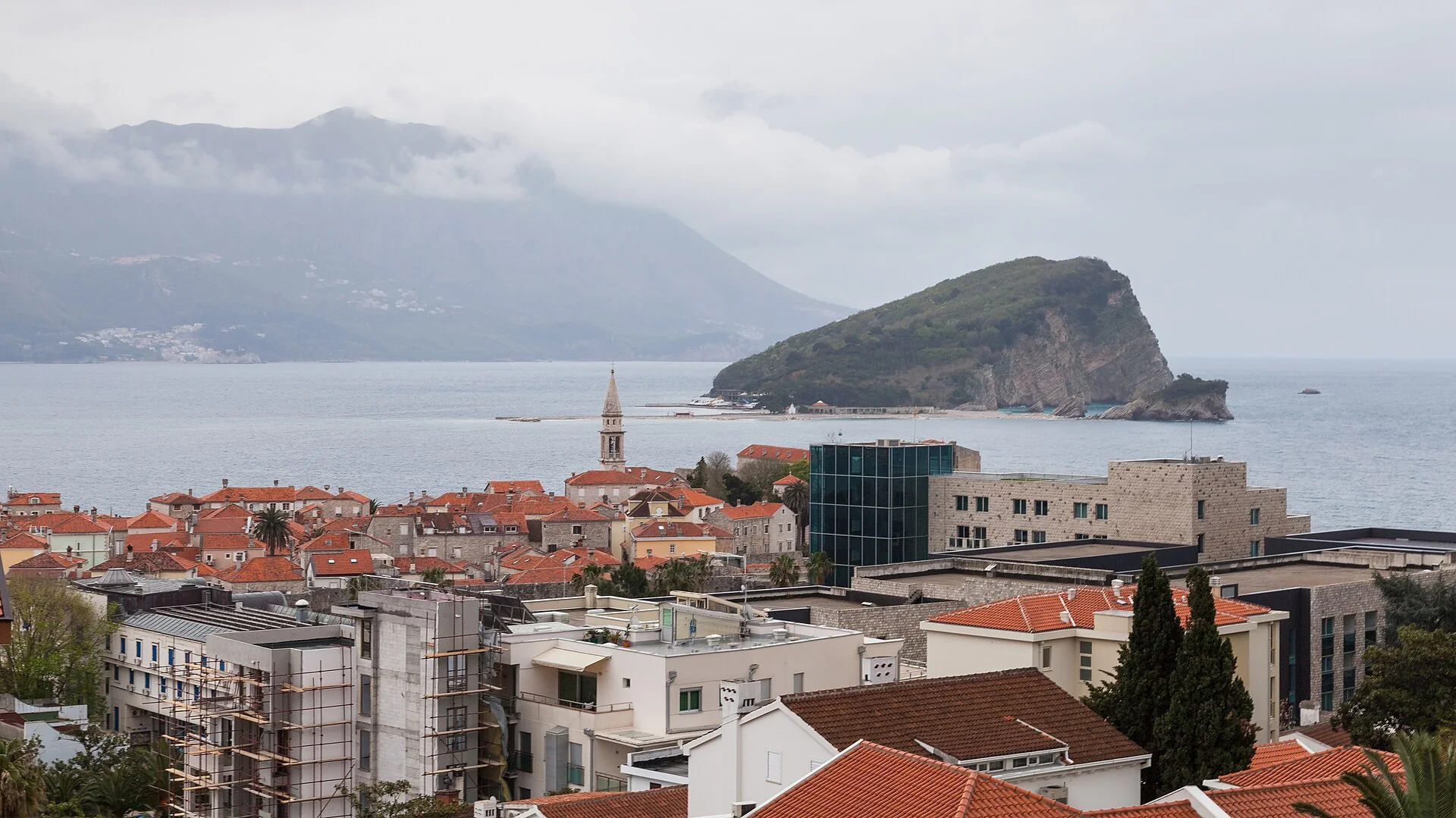
Budva: best for beaches, nightlife and convenience
Budva is the better base for travelers who want beach choice, nightlife, frequent services and straightforward day trips. It is less atmospheric than Kotor as a whole, but more practical for a conventional coastal holiday.
Budva Old Town provides stone lanes, sea walls and compact historic character. Accommodation inside or immediately beside it puts restaurants and beaches within walking distance, but can be noisy. Areas farther along Slovenska Beach usually offer larger hotels and easier access to modern services. Bečići, just beyond Budva, is a calmer resort option with a long beach and family-oriented properties.
The central decision is whether the trip is built around the sea or around heritage. Choose Budva if you expect to swim most days, want nightlife within reach, or prefer having many dining options. Choose Kotor if the bay landscape, fortified town and cultural atmosphere matter more than beach quality. Read the full Budva destination overview before comparing properties.
Budva also works as a base for Sveti Stefan, Petrovac and Cetinje. It is not an ideal base for repeated visits to the inner Bay of Kotor in peak season because the coastal road can be slow. Split the stay if both regions are priorities.
Tivat: best for polished waterfront stays and easy arrivals
Tivat is best for travelers who want modern hotels, a manicured marina district and quick access to Tivat Airport. It is convenient and comfortable, but it does not offer Kotor’s medieval depth or Budva’s beach range.
Porto Montenegro anchors the town’s luxury identity with restaurants, shops and a yacht marina. The center is flat and walkable, which can be valuable for travelers who find historic stairs or steep lanes difficult. Tivat is also a useful first or last night when flight timing makes a longer transfer inconvenient.
Tivat can support Bay of Kotor boat trips and excursions toward Luštica, but travelers should not mistake airport proximity for universal road convenience. Summer bottlenecks still matter. If you want to wake inside a historic setting, choose Kotor or Perast; if you prefer contemporary comfort and smooth logistics, Tivat is a strong fit.
Ulcinj and Velika Plaža: best for sand and a southern-coast escape
Ulcinj is Montenegro’s best base for travelers prioritizing long sandy beaches, kitesurfing and a distinctive southern-coast atmosphere. It deserves at least two or three nights rather than a rushed day trip from Kotor.
Ulcinj Old Town rises above the sea with stone lanes and views, while Velika Plaža extends south of town with kilometers of sand, beach clubs and kite centers. Staying in or near the Old Town suits evening atmosphere and restaurants; staying closer to Velika Plaža reduces the daily journey to the beach. Ada Bojana is farther south and suits travelers seeking a more self-contained river-and-sea retreat.
The main trade-off is distance. Ulcinj is poorly positioned for daily Bay of Kotor sightseeing, particularly in summer traffic. Treat it as a separate chapter of the trip. Consult the Ulcinj guide and the detailed Velika Plaža travel guide before deciding between town and beach accommodation.
Lake Skadar: best for nature, wine and slower travel
Stay near Lake Skadar if you want early boat trips, birdlife, local wine and an unhurried rural break. Virpazar is the easiest operational base; Rijeka Crnojevića is more atmospheric but quieter and less connected.
Virpazar has boat operators, restaurants and rail access on the Bar–Podgorica line, making it the practical gateway. Accommodation in surrounding villages often provides more tranquility, but a car becomes useful. Rijeka Crnojevića offers a historic stone bridge and a beautiful river setting, yet services are limited and the approach roads demand attention.
One or two nights reveal a different Montenegro from the busy coast. An overnight stay lets you take a morning boat trip, avoid turning the lake into a rushed photo stop, and combine it with wineries or viewpoints. Start with the Lake Skadar destination page and our slow-travel guide to Lake Skadar.
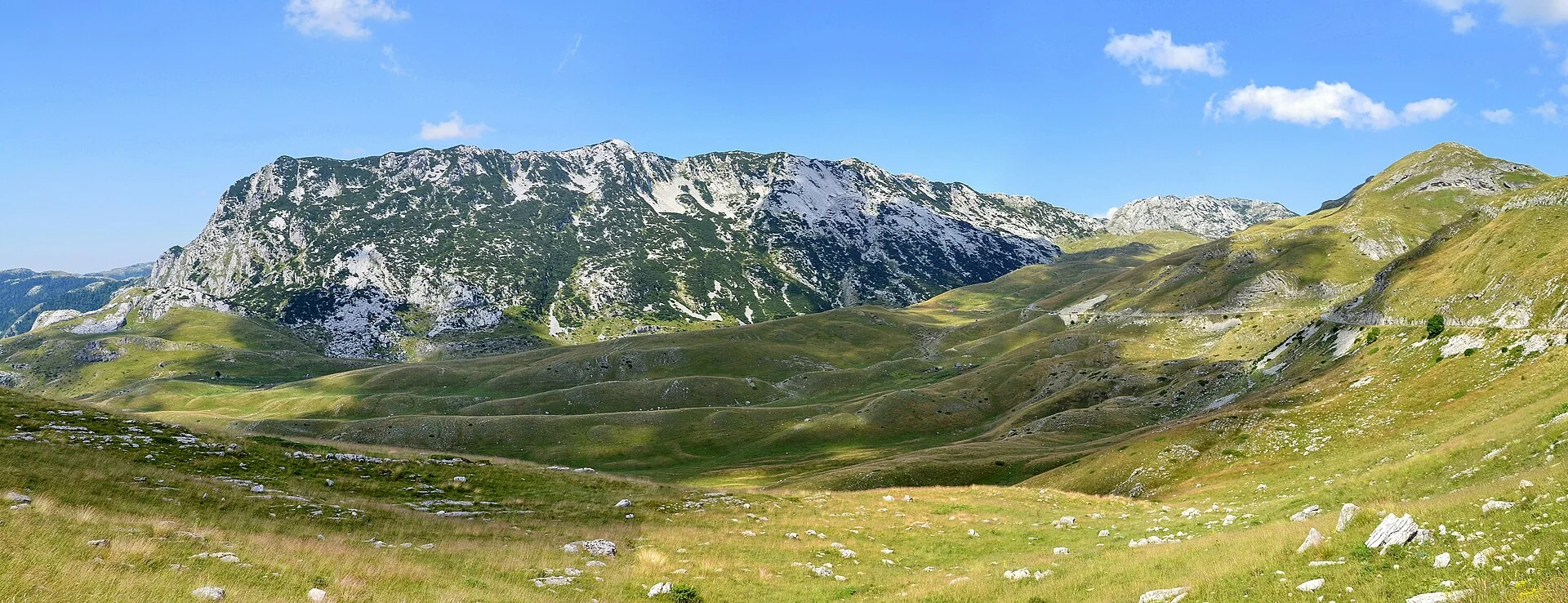
Žabljak: best for Durmitor hiking and mountain days
Žabljak is the most practical base for Durmitor National Park, Black Lake, Tara Canyon viewpoints and multi-day outdoor plans. Stay at least two nights; three is better if weather flexibility matters.
The town itself is functional rather than ornate, but that is precisely its value. It places restaurants, groceries, guides and accommodation near the national park. Properties outside town can provide solitude and mountain views, although a car may be needed for dinner and trailheads.
Mountain weather can change quickly, and a coastal forecast says little about conditions at elevation. Build one flexible day into a hiking plan, carry layers and do not treat the drive as a trivial commute. The Durmitor hiking guide explains trail choices and practical preparation.
A day trip from the coast can show you Black Lake and a few viewpoints, but it does not replace staying overnight. Travelers who want only a scenic introduction can join a structured excursion; hikers should sleep in Žabljak and start early.
Podgorica and Cetinje: useful bases for specific trips
Podgorica is best for flight logistics, business travel and connections; Cetinje is best for museums, royal history and access to Lovćen. Neither is the default base for a beach holiday.
Podgorica has the country’s largest transport network and year-round city services. Staying one night makes sense for an early flight, late arrival or onward rail journey. It can also support day trips to Lake Skadar and Ostrog, but most leisure travelers should not use it as their sole Montenegro base.
Cetinje offers a quieter cultural stay, with museums and monastery sites in a compact center. An overnight visit works well for travelers who enjoy history and want a slower route between the coast and Lake Skadar. Many visitors can see the main sights on a day trip, but sleeping there creates time for museums without racing onward.
Best Montenegro bases by traveler type
For couples
Choose Perast for a short romantic stay, Prčanj for a quiet apartment by the bay, or Lake Skadar for rural calm. Combine one of these with Budva or Ulcinj if beach days matter. Couples who value dining and polished hotels may prefer Tivat.
For families
Dobrota, Bečići and Petrovac are often easier than nightlife-heavy centers. Look for a kitchen, washing machine, shade, safe walking access and guaranteed parking. Do not assess a property only by straight-line distance: steep lanes and roads without pavements can change the daily experience.
For solo travelers
Kotor and Budva provide the easiest social infrastructure, excursions and transport connections. Kotor suits culture and outdoor travelers; Budva suits beach and nightlife travelers. A solo road trip can add Lake Skadar and Žabljak, but avoid overloading a short schedule.
For travelers without a car
Base yourself centrally in Kotor, Budva or Tivat and buy excursions for rural or mountain locations. Virpazar can be reached by rail from Podgorica or Bar, but local mobility beyond the village is limited. Verify current timetables directly because seasonal schedules can change.
For hikers
Spend two or three nights in Žabljak and consider Kolašin for Biogradska Gora or Bjelasica. A coast-only base wastes prime morning hours on transfers and makes weather changes harder to manage.
Sample base combinations for 5, 7 and 10 days
For five days, use no more than two bases. For seven days, two or three bases are realistic. For ten days, three bases create variety without turning the trip into constant packing.
Five days: first-time coast and culture
- Three nights in Kotor or Dobrota
- Two nights in Budva or Bečići
This plan prioritizes the Bay of Kotor, Perast and one or two beach days. If nightlife is irrelevant, replace Budva with Lake Skadar for a quieter contrast.
Seven days: bay, lake and coast
- Three nights in Kotor or Dobrota
- Two nights near Lake Skadar
- Two nights in Budva, Petrovac or Ulcinj
This route balances UNESCO-linked heritage, nature and swimming. With no car, keep Lake Skadar to Virpazar or replace it with organized day trips.
Ten days: coast, lake and mountains
- Three nights around Kotor Bay
- Two nights in Budva or Ulcinj
- Two nights near Lake Skadar
- Three nights in Žabljak
The order depends on arrival airport and weather. Avoid placing a long mountain drive immediately before an early flight.
Mistakes to avoid when booking accommodation
- Using one base for the entire country: feasible on paper, tiring in practice if you want both Ulcinj and Durmitor.
- Ignoring exact neighborhood: “Kotor” may mean Old Town, Dobrota, Muo or a farther bay settlement.
- Assuming parking is included: request written confirmation and ask whether the space fits your vehicle.
- Booking only for the view: check stairs, road noise, luggage access and walking conditions.
- Underestimating summer traffic: plan fewer transfers in July and August.
- Treating mountain weather like coastal weather: bring layers and allow flexibility.
- Choosing an isolated bargain without transport: savings disappear if every meal and excursion requires a taxi.
Frequently asked questions
Is it better to stay in Kotor or Budva?
Kotor is better for history, bay scenery, boat trips and a first cultural visit. Budva is better for beaches, nightlife and resort convenience. Split a week between them only if both styles matter; otherwise choose one and use the saved transfer time for day trips.
How many bases do you need in Montenegro?
Most seven-day trips need two bases; ten-day trips work well with three. Add a separate Žabljak stay if hiking is important. Changing hotels every night usually reduces rather than increases what you experience.
Where should first-time visitors stay?
Kotor or Dobrota is the strongest first base because it combines a major historic town, bay scenery and access to Perast and boat excursions. Add Budva for beaches, Lake Skadar for nature or Žabljak for mountains.
Where is the best place to stay without a car?
Central Kotor, Budva and Tivat are the simplest choices. Choose accommodation within a manageable walk of bus connections and excursion pickup points. Rural lake and mountain stays are possible, but require more planning.
Should you stay in Montenegro’s Old Towns?
Stay inside an Old Town if atmosphere and early or late walks outweigh noise, stairs and luggage complications. Families, drivers and light sleepers often prefer Dobrota near Kotor or a modern district near Budva.
Where to go next
The best answer to where to stay in Montenegro comes from your top two priorities. Choose Kotor Bay for heritage and scenery, Budva or Ulcinj for the beach, Lake Skadar for slow nature, and Žabljak for hiking. Then build the route around realistic transfers instead of collecting hotel names in every region.
Continue with the full Montenegro travel journal, compare destinations in Places, browse Montenegro hotels, and explore tours and local experiences that can turn a well-chosen base into a practical itinerary.