Montenegro in May is best for travelers who want green landscapes, comfortable sightseeing weather and a quieter coast—not guaranteed beach conditions. Base the trip around the Bay of Kotor and Lake Skadar, keep one flexible day for rain, and add Durmitor only if current road and trail conditions support it. The sea is usually refreshing rather than reliably warm, while mountain weather can still feel like early spring.
By Djokic
This guide answers the practical questions behind a May trip: what the weather feels like, whether you can swim, which roads and attractions are realistic, where to stay, what to pack, and how to build a seven-day route that still works if the forecast changes. It is designed for couples, independent travelers and active families who value scenery and exploration more than a conventional hot-weather beach holiday.
Is May a good time to visit Montenegro?
Yes—May is one of Montenegro's strongest months for a mixed sightseeing and nature trip, provided you accept variable weather and cool sea temperatures. It suits travelers who prefer old towns, boat rides, scenic drives, lakeside walks and light hiking without July and August's peak heat and congestion. It is less suitable for anyone whose main requirement is warm water, guaranteed sunshine or fully snow-free high-mountain trails.
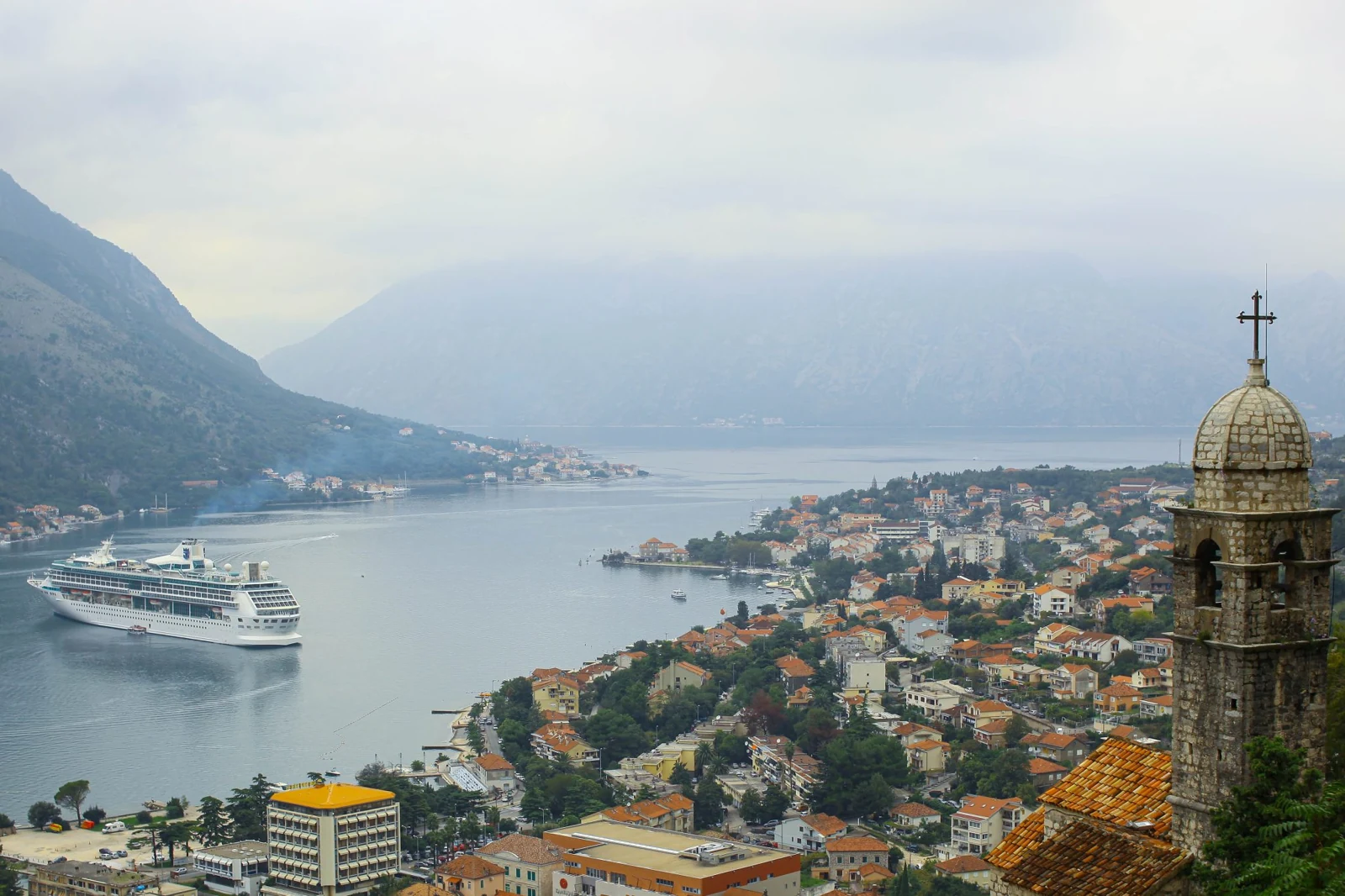
May sits between seasons. Coastal restaurants, tours and accommodation are increasingly active, but the country does not yet feel uniformly busy. Around Kotor, Budva and Perast, this creates a useful balance: services are available, daylight is long, and popular lanes are often calmer outside cruise-ship arrival hours. Lake Skadar is lush, birds are active, and the lower countryside is vivid after spring rain.
The tradeoff is uncertainty. A sunny afternoon beside the Adriatic can feel summery, while the next morning may bring rain and a sharp breeze. Conditions also change substantially with elevation. Packing and routing as if the whole country shares one coastal forecast is the most common planning mistake.
May is especially good for:
- couples who want scenic towns and unhurried dinners;
- photographers who value fresh vegetation and clearer viewpoints;
- road-trippers comfortable adjusting the order of day trips;
- walkers interested in lower-elevation routes rather than summit objectives;
- travelers combining culture, food, nature and occasional beach time.
Choose late June through September instead if swimming and beach weather are non-negotiable. Choose May if seeing more of the country in milder conditions matters most.
Montenegro weather in May: coast, central region and mountains
Montenegro weather in May is generally mild on the coast, warmer inland around Podgorica, and much cooler and less predictable in the mountains. Climate averages can help with packing, but they cannot tell you whether a specific boat trip, ridge walk or northern road is sensible. Check a reliable forecast a few days before travel and ask local operators about same-day conditions.
What the coast feels like
In Kotor Bay, Budva and Ulcinj, many May days are comfortable for walking in a light layer. Direct sun can feel strong around midday, particularly in sheltered stone towns, but evenings beside the water may require a jacket. Rain often arrives in spells rather than ruining an entire week, so a forecast showing shower symbols every day does not automatically mean continuous rain.
Kotor's old town and fortress approach can become slippery after rainfall. Start outdoor climbs early, carry water, and avoid treating wet stone steps like an ordinary pavement. On clear days, use the middle of the day for a boat ride or lunch and save exposed climbs for cooler hours.
Central Montenegro and Lake Skadar
Podgorica and the lower Lake Skadar basin can feel noticeably warmer than the bay. This makes May excellent for village stops, winery visits and boat trips before summer heat builds. Wind and showers still matter on the lake, however, so confirm departure conditions directly with the operator rather than relying only on an app.
Explore the site's overview of Lake Skadar before deciding whether Virpazar, Rijeka Crnojevića or a broader road loop best matches your pace. A boat trip is the obvious headline activity, but viewpoints, wetlands, stone villages and local food make the region worthwhile even when the water is choppy.
Northern Montenegro and higher elevations
In Durmitor, Prokletije and other high areas, May should be treated as a shoulder-season mountain month. Snow can remain on higher ground, weather changes quickly, and some summer trails or scenic roads may not be ready. Žabljak itself can still be a rewarding stop for Black Lake walks and mountain atmosphere, but visitors should not assume every pass, viewpoint or hiking route is open.
Build the north as an optional extension, not an inflexible promise. Consult local conditions shortly before departure, carry proper footwear and turn back when snow, fog or water makes a route unsafe. A coastal forecast is not evidence of safe conditions at altitude.
Can you swim in Montenegro in May?
You can swim in Montenegro in May, but most travelers find the Adriatic cool and should treat swimming as a bonus rather than the center of the trip. Strong swimmers accustomed to cool water may enjoy short dips on sunny, calm days. Families with young children and travelers expecting warm resort water will usually prefer a heated pool or a later travel month.
The second half of May normally offers better odds than the beginning of the month because longer, sunnier days gradually warm sheltered shallows. Yet a windy or rainy spell can change how the water feels. Bay beaches may be calm but shaded; open Adriatic beaches receive more sun but can be exposed to waves.
For a spontaneous swim, carry a compact towel, water shoes and dry layers in the car. Pebble and stone beaches are common, and some beach facilities may still be operating on a limited shoulder-season schedule. Never jump from unfamiliar rocks, and do not enter rough water simply because the sun is out.
If beach time matters, use Budva as a convenient coastal base and consider a day toward the wider Budva Riviera. If your priority is long sandy shoreline rather than old-town atmosphere, the southern coast around Ulcinj is the better direction. Keep expectations realistic: May's strength is the combination of coast and exploration, not a guaranteed week of sun loungers.
A practical 7-day Montenegro itinerary for May
The best seven-day Montenegro itinerary in May combines three nights in Kotor Bay, two around Lake Skadar or Cetinje, and two flexible nights for Budva or the north. This structure limits hotel changes, creates indoor alternatives, and lets you move the weather-sensitive mountain day.
Day 1: Arrive and settle into Kotor Bay
Use arrival day for orientation rather than an ambitious drive. Check into Kotor, Dobrota or Perast, walk the waterfront, and note the next day's cruise schedule if you are staying near Kotor Old Town. Browse Kotor's destination guide to choose between staying inside the walls for atmosphere or outside them for easier parking and quieter nights.
If daylight and energy allow, explore the old town after day visitors leave. Keep the fortress climb for a dry morning. Dinner in Kotor is convenient, but a short walk toward Dobrota often provides a calmer waterside setting.
Day 2: Kotor early, then Perast
Start Kotor before the busiest visitor window. Walk the lanes, visit one or two churches or museums, and climb only as high as weather and fitness justify. After lunch, travel to Perast, where the compact waterfront and views across to Our Lady of the Rocks suit a slower afternoon.
Boat operations depend on conditions, so ask at the waterfront rather than presuming a departure. Perast itself remains worthwhile if wind cancels the crossing: walk from end to end, examine the baroque facades and sit by the bay. Return after dinner or stay overnight if you prefer quiet evenings to Kotor's larger selection.
Day 3: Choose a bay boat day or Luštica road day
Make this the first weather-dependent choice. In calm conditions, take a reputable boat excursion that clearly explains duration, route and inclusions. A good bay itinerary might connect Perast, Tivat or the Luštica side without trying to compress every attraction into a rushed checklist.
If the water is rough, drive a conservative Luštica route, visit Tivat, or use the day for Herceg Novi. Do not chase the Blue Cave in poor conditions merely because it was advertised online. Browse current Montenegro experiences for ideas, but reconfirm May schedules and cancellation terms directly.
Day 4: Lovćen and Cetinje, with a bad-weather alternative
On a clear day, drive toward Lovćen and Montenegro's old royal capital. Mountain roads are scenic but winding; allow more time than the distance suggests, avoid unnecessary night driving and do not stop in traffic lanes for photographs. Conditions near the Njegoš Mausoleum can be colder and windier than on the coast.
Continue to Cetinje for museums, monasteries and a compact historic center. If clouds obscure Lovćen or conditions are poor, skip the high viewpoint and spend longer in Cetinje. This is precisely why May itineraries should be built around choices rather than fixed photo stops.
Day 5: Lake Skadar by boat, village and viewpoint
Move to the Lake Skadar region or visit as a long day trip. Virpazar is the simplest launch point for many boat tours and has convenient rail access for travelers without a car. Confirm trip length, boat type and whether the route enters narrow lily-covered channels or stays on open water.
Drivers can pair a boat ride with carefully chosen viewpoints and a meal in a lakeside village. The narrow roads above the lake require patience; avoid overloading the day with distant pins. One boat trip, one viewpoint and one long lunch will usually create a better experience than racing around the entire shoreline.
Day 6: Budva and the coast, or a flexible rain day
In fair weather, explore Budva Old Town early and continue to a nearby beach or Sveti Stefan viewpoint. Budva provides more activity than Perast and is useful for travelers who want restaurants and nightlife, but its appeal in May is also practical: you can combine history, a coastal walk and an opportunistic swim without needing perfect beach weather.
If heavy rain arrives, use this as the itinerary's buffer. Spend longer in Cetinje's museums, enjoy a slow meal, visit a winery by appointment, or move only when visibility is good. Our guide to things to do in Montenegro when it rains provides a fuller backup plan.
Day 7: Select the right finale
For a short trip, end with a relaxed coast morning and departure. With an extra night and confirmed good conditions, consider Žabljak—but understand that the transfer is substantial and May mountain access can be limited. A brief northern detour is not automatically better than another day around the bay or lake.
If your flight leaves from Tivat, remain near the coast on the final night. For Podgorica departures, Lake Skadar or Cetinje creates a more convenient finish. This avoids turning the last day into a stressful cross-country drive.
Where to stay in May
For a first May visit, stay in Kotor Bay for history and boat access, Lake Skadar for nature, or Budva for a broader choice of open restaurants and nightlife. Do not choose accommodation only by the lowest price: heating, parking, road access and cancellation terms matter in shoulder season.
Kotor or Dobrota is best for first-time visitors without a car. Perast is best for couples seeking quiet scenery, though evening dining choices are narrower. Budva works for travelers who want a livelier base and easier access to multiple beaches. Virpazar is practical for Lake Skadar excursions, while Cetinje suits culture-focused travelers and sits well between coast and national-park routes.
Ask whether the room has effective heating or climate control. Thick stone buildings can feel cool after wet weather even when daytime temperatures seem mild. Drivers should request precise parking instructions; “parking nearby” can mean a public space that is scarce or far from the entrance.
For a fuller comparison of bases, read where to stay in Montenegro, then use the main Montenegro places directory to compare destination character before booking.
Getting around Montenegro in May
A rental car offers the most flexibility in May, but a coast-and-lake trip is possible without one if you accept fewer spontaneous stops. Roads are generally less congested than in peak summer, yet construction, rain, narrow lanes and weekend traffic can still lengthen journeys.
Drivers should avoid building routes around optimistic map estimates. The Kotor serpentine, Lovćen approaches and Lake Skadar backroads demand attention. Use signed pull-offs, never stop on a blind bend for a photograph, and clarify cross-border permission if the rental itinerary includes Croatia, Bosnia and Herzegovina or Albania.
Without a car, base in Kotor or Budva, use intercity buses for major towns, book transfers for awkward connections, and consider the train for Podgorica, Bar or Virpazar. Timetables can change, so verify them close to travel rather than copying an old blog schedule. The Montenegro without a car itinerary explains a realistic public-transport structure.
What to pack for Montenegro in May
Pack for layers, rain and terrain—not for a single predicted temperature. A useful May list includes:
- a waterproof shell that handles wind;
- a light insulating layer for evenings and mountains;
- breathable shirts for sunny coastal afternoons;
- comfortable shoes with grip for wet stone and uneven paths;
- a compact umbrella for towns, but a jacket for exposed places;
- sun protection, including sunglasses and sunscreen;
- a small dry bag or waterproof pouch for boat trips;
- swimwear, a quick-dry towel and water shoes;
- insect repellent for wetlands and calm evenings;
- a reusable bottle and any essential medication.
Add warmer clothing if the north is on your route. Casual, neat clothes are adequate for most restaurants. Carry modest clothing for monasteries and churches: shoulders and knees should be covered, and behavior should remain respectful even when a site is also a tourist attraction.
Common mistakes to avoid in May
The biggest mistake is planning May as if it were either full summer or full winter. It is neither, and the best trips exploit that transition rather than fighting it.
- Depending on daily beach weather. Build the trip around towns, food, scenery and nature; swim when conditions cooperate.
- Assuming all mountain routes are open. Verify snow, road and trail conditions locally before committing.
- Changing hotels every night. Two or three bases make weather adjustments much easier.
- Trusting drive times too literally. Winding roads, viewpoints and rain slow progress.
- Booking the cheapest non-refundable room. Flexible cancellation can be worth more than a small saving in shoulder season.
- Ignoring cruise patterns in Kotor. Visit early or later in the day when possible.
- Forcing a boat trip in bad weather. A responsible operator's cancellation is a safety decision, not a lost opportunity.
- Packing only summer clothes. A cold bay evening or windy Lovćen stop can be uncomfortable without layers.
Frequently asked questions about Montenegro in May
Is Montenegro warm in May?
The coast is often pleasantly warm for sightseeing during the day, but evenings can be cool and rainy periods occur. Inland lowlands may feel warmer, while the mountains remain significantly cooler. Bring layers rather than relying on one seasonal label.
Is Montenegro crowded in May?
May is generally quieter than July and August, although Kotor can become busy when cruise ships arrive and sunny weekends attract regional visitors. Starting early and staying overnight near headline destinations helps you experience calmer hours.
Is everything open in Montenegro in May?
Most essential tourism services in major coastal towns are operating, but some seasonal beach facilities, boat schedules and mountain businesses may be limited. Confirm any experience that is central to your trip.
Is early May or late May better?
Late May usually offers warmer water, longer-established seasonal services and a more summery atmosphere. Early May can be quieter and greener. Neither period guarantees dry weather, so choose based on priorities rather than expecting certainty.
How many days do you need?
Seven days is enough for Kotor Bay, Cetinje, Lake Skadar and part of the Budva coast at a sensible pace. Ten days allows a weather-flexible northern extension or slower stays. With only three or four days, focus on one region instead of attempting the entire country.
Should you book ahead?
Book flights, your first accommodation and any high-priority room in a small property. Keep some tours and day-trip ordering flexible until the forecast is clearer. For public holidays and popular weekends, reserve more in advance.
Where to go next
Montenegro in May rewards a flexible coast-and-nature plan: use Kotor Bay as the cultural anchor, Lake Skadar for spring landscapes, Cetinje for a weather-proof cultural day, and Budva for an adaptable mix of old town and beach. Treat swimming and high-mountain access as condition-dependent extras, not promises.
Start with the Montenegro journal for deeper route planning, compare destinations in places to visit, and review available experiences once your bases and dates are fixed. The result should be a trip that works because it is May—not despite it.