M
Biogradska Gora

Biogradska Gora

One of Europe’s last primeval forests.

Best time
June–September
Ideal for
Hikers, nature lovers, families
Time needed
Half a day (lake loop); a full day for longer trails
Getting there
~2 hr drive from Podgorica Airport, near Kolašin
Region
Durmitor & the North
Nearest airport
Podgorica Airport (TGD), ~85 km

Ideal for

Hikers
Nature lovers
Families
Photographers

About Biogradska Gora

A pocket of virgin forest — one of only three left in Europe — wrapped around a glacial lake, with 500-year-old trees, gentle trails and clear mountain air.

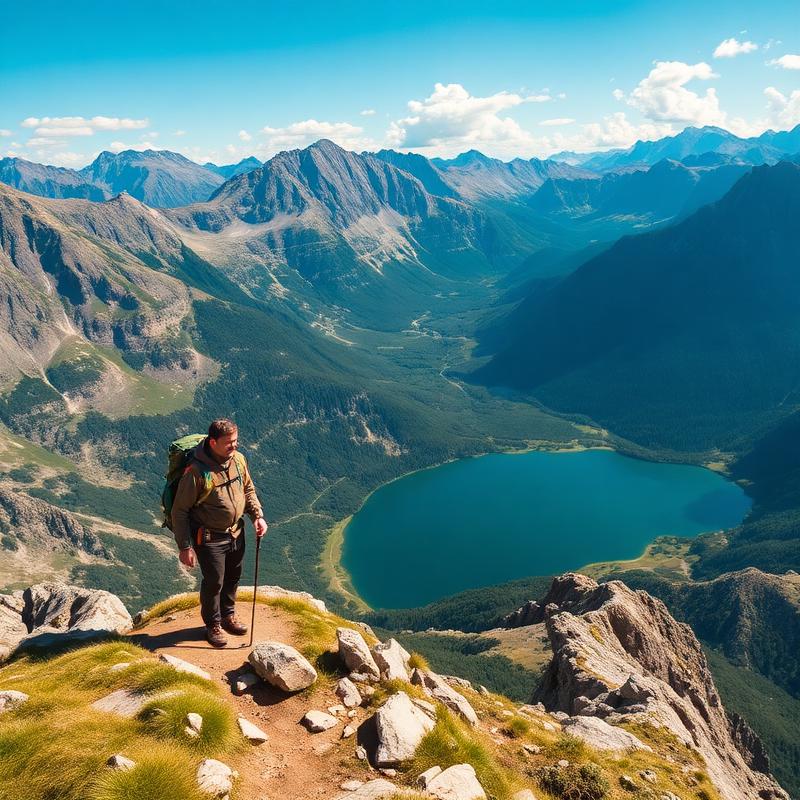
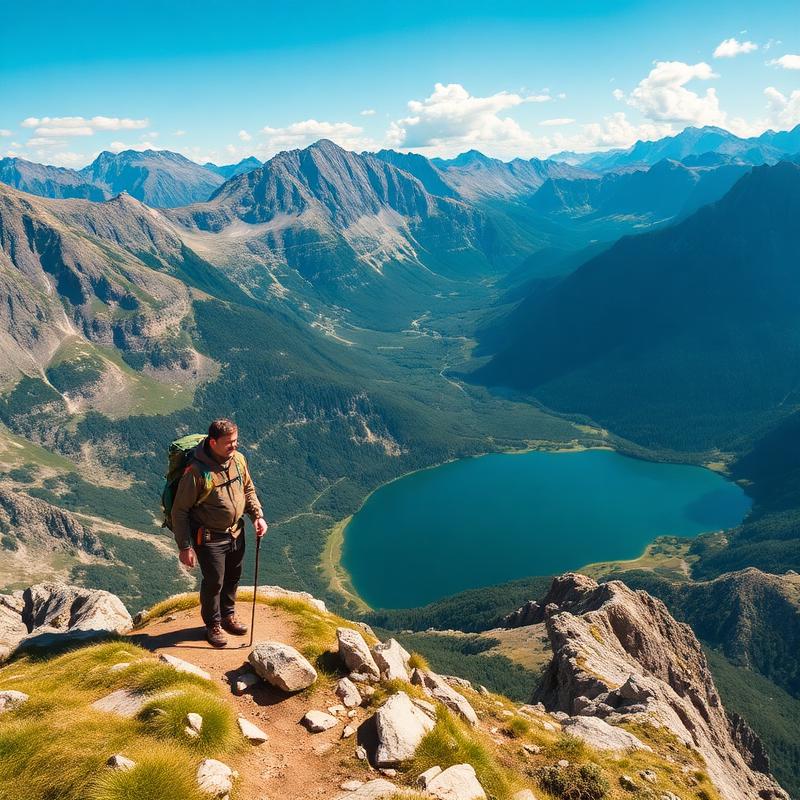
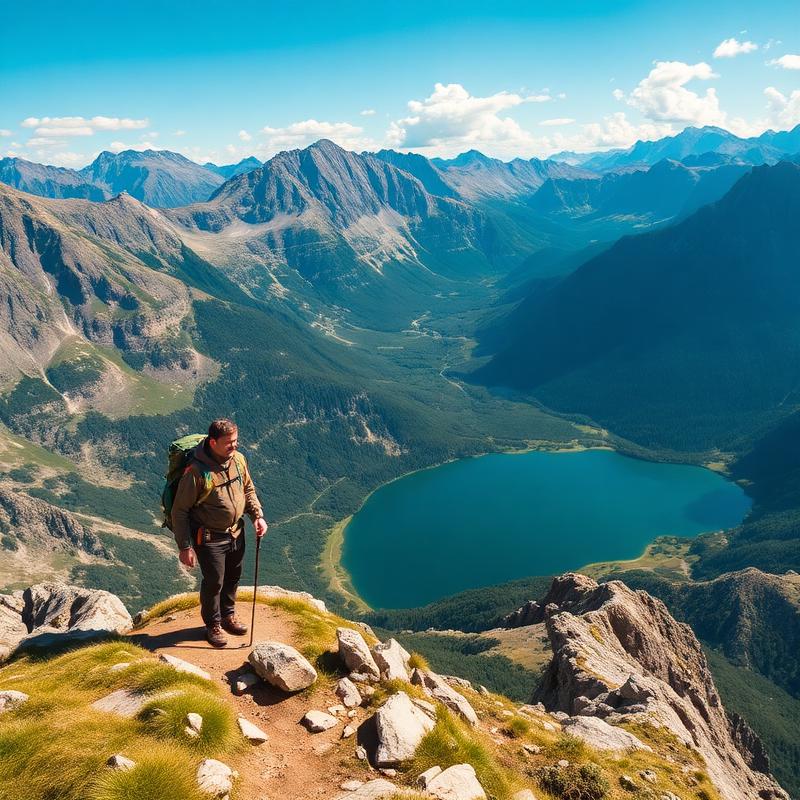
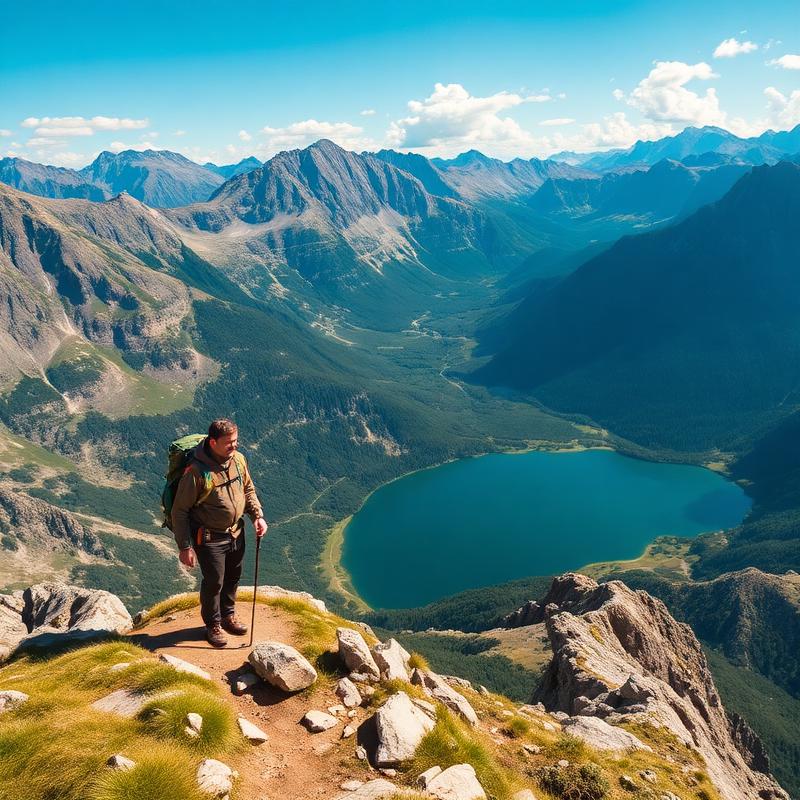
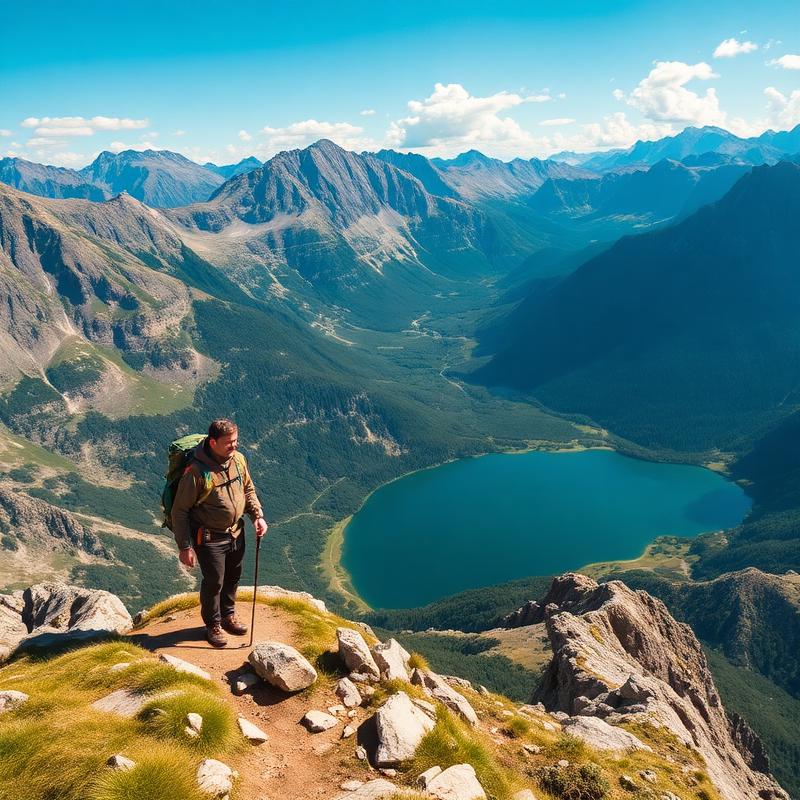
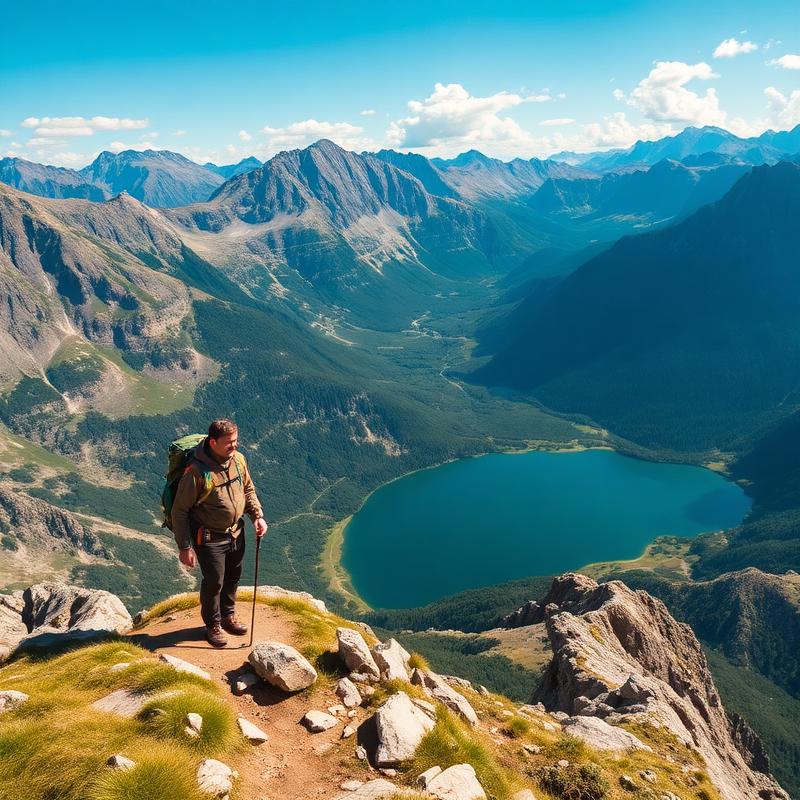
Biogradska Gora protects one of Europe’s last three remaining primeval forests, roughly 1,600 hectares of old-growth beech, fir and spruce that has never been commercially logged. King Nikola I set the area aside as a royal hunting reserve in 1878 after a dispute with local villagers over logging rights, inadvertently preserving it; it became a national park in 1952, one of Montenegro’s first. Some trees exceed 500 years old and 50–60 metres in height. At the forest’s centre lies Biogradsko jezero, a glacial lake at around 1,094 metres elevation, ringed by an easy, mostly flat 3.5 km path suited to families. The park sits within the wider Bjelasica mountain range on the route linking Kolašin to Žabljak; rowing boats can be hired on the lake in summer, and marked trails climb into quieter alpine meadows beyond it.

Highlights

Biograd glacial lake
500-year-old trees
Easy lakeside trails

Where it is

A gift that saved a forest

The forest owes its survival to a single 19th-century gesture. In 1878, the story goes, people of the surrounding region presented the mountain of Biograd to Prince Nikola to shield it from the axes then clearing so much of the Balkans; he declared it protected, and the core has never been commercially logged since. That makes it one of Europe’s oldest conservation areas as well as one of only a handful of true primeval forests left on the continent. Within its strictly guarded heart, towering beech, fir, spruce, maple and elm grow tangled with fallen deadwood, an ecosystem left entirely to its own slow rhythms.

A green mountain of lakes

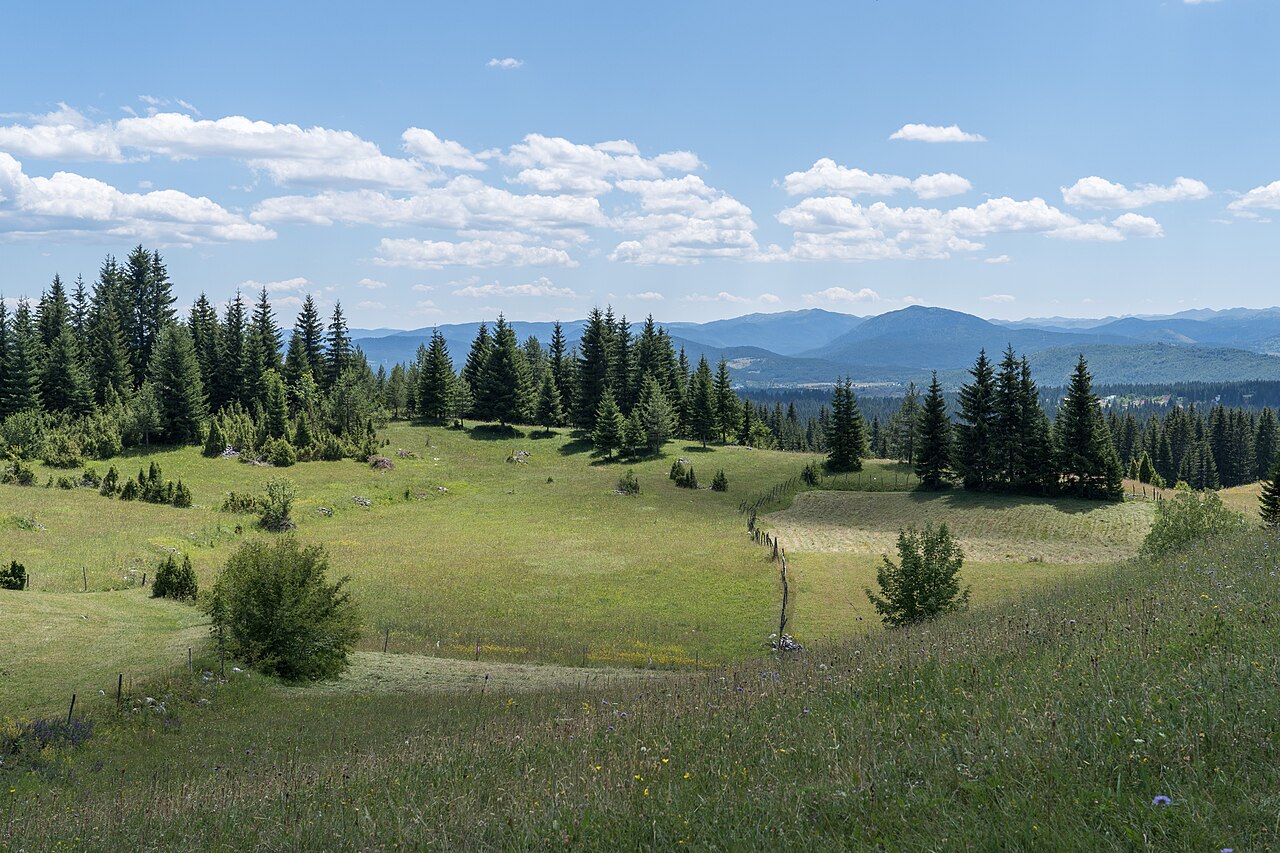
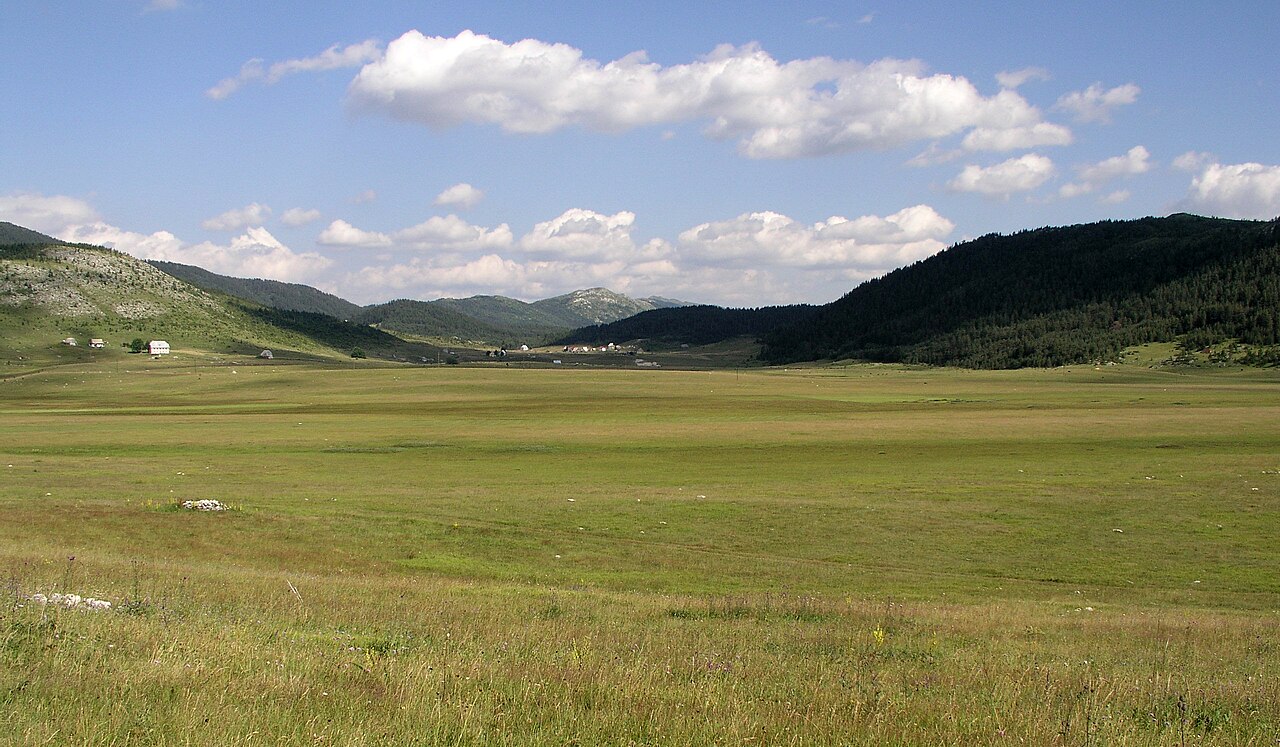
Biogradska Gora sits within the Bjelasica, a massif unusual in Montenegro for its volcanic, water-holding rock rather than dry limestone — which is why it feels so lush, threaded with streams, meadows and no fewer than six glacial lakes. The largest, Biogradsko jezero at about 1,094 m, mirrors the forest around its shore. Higher up lie smaller tarns such as Pešića and Ursulovačko, reached on longer trails, while the range crests at Crna glava, 2,139 m. The rounded, grassy uplands blaze with wildflowers in early summer and turn to gold as the beech forest colours in autumn.

Trails, wildlife and shepherd huts

An easy educational trail rings the main lake in about an hour, level enough for families and often walked alongside a rowing boat hired at the shore. Beyond it, marked paths climb through the old-growth forest toward the high lakes and peaks like Zekova glava and Crna glava, longer outings for stronger walkers. The forest shelters red deer, brown bear, wolf and wild boar, with trout in the cold lake and more than 200 bird species overhead. On the surrounding slopes, seasonal katun settlements still graze livestock and make cheese through the summer, much as they have for generations.

Getting there and when to go

The park lies near Kolašin in central Montenegro, roughly 85 km — about two hours — from Podgorica Airport, though the new Bar–Boljare motorway has cut the drive from Podgorica to Kolašin to well under an hour. A small entry fee applies at the gate on the lake road. June to September brings the warmest, greenest conditions and full access to the higher trails, while late September and October set the beech woods ablaze. Kolašin itself makes a handy base, doubling as a modest ski resort in winter, and the Tara Canyon lies within easy reach for a combined northern trip.

Plan your visit

Line up where to stay and what to do around Biogradska Gora.

Official resources & further reading

Frequently asked questions

How do I get to Biogradska Gora?
It’s about 85 km, roughly a 2-hour drive, from Podgorica Airport, near the town of Kolašin in central Montenegro.
Is Biogradska Gora worth visiting?
Yes for nature lovers — it protects one of Europe’s last three primeval forests, and the lakeside trail is gentle enough for most fitness levels.
What’s the best time to visit Biogradska Gora?
June to September for full access and warm weather; the beech forest also colours well in early autumn.
How long should I spend at Biogradska Gora?
Half a day for the lake loop; a full day if you continue onto the longer trails into the surrounding mountains.

Experiences in Biogradska Gora

More in Durmitor & the North