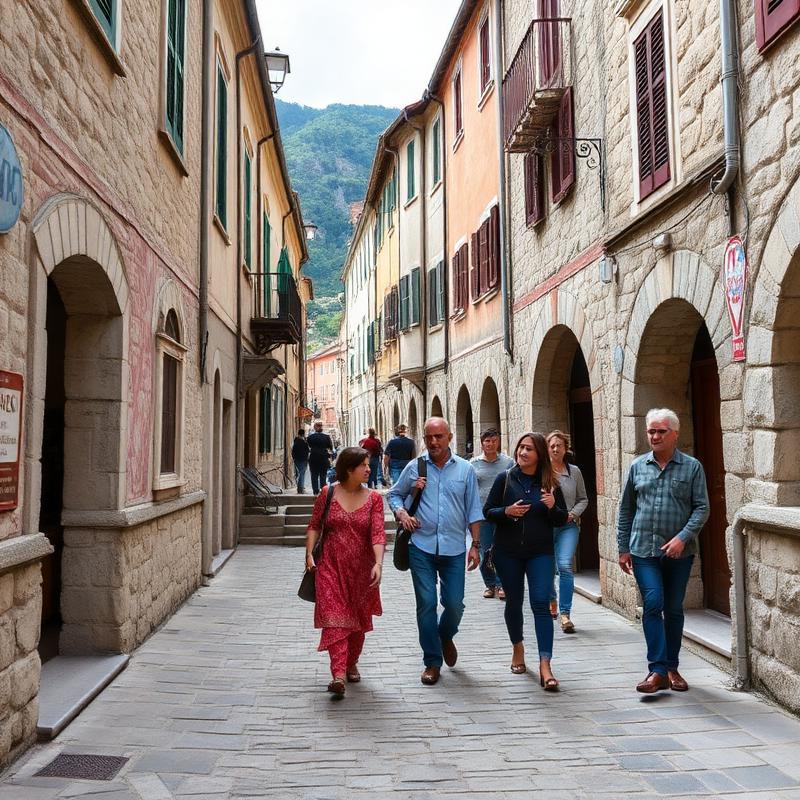
Kotor
A fortified medieval old town at the head of the bay.
- Best time
- May–June and September (warm, fewer cruise crowds)
- Ideal for
- History lovers, photographers, walkers
- Time needed
- Half a day (2–4 hours)
- Getting there
- Coastal bus or 15-min drive from Tivat Airport; ~1 hr from Podgorica Airport
- Region
- Kotor Bay
- Nearest airport
- Tivat Airport (TIV), ~8 km
Ideal for
History lovers
Photographers
Cruise-ship day-trippers
Walkers
Couples
About Kotor
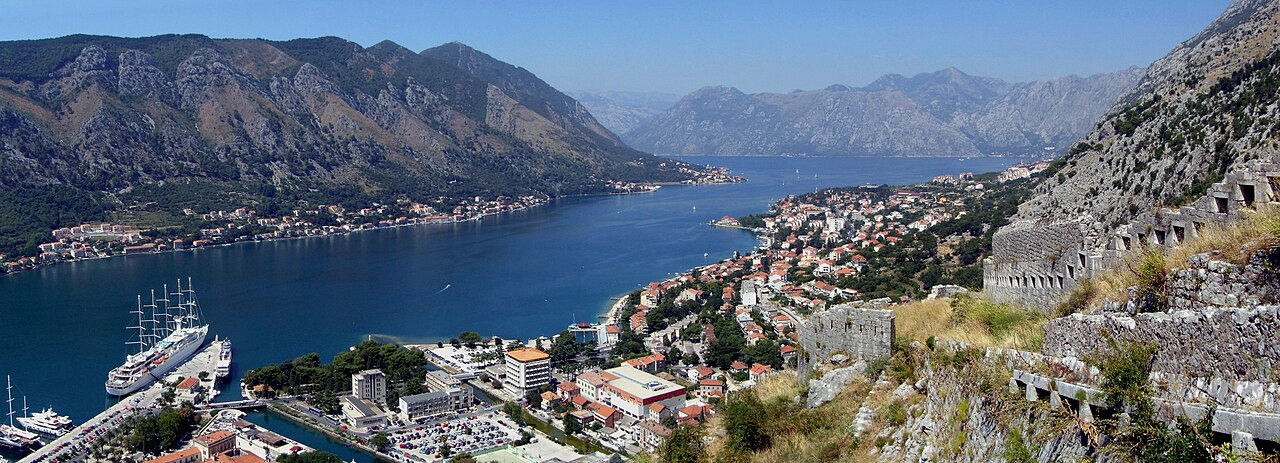
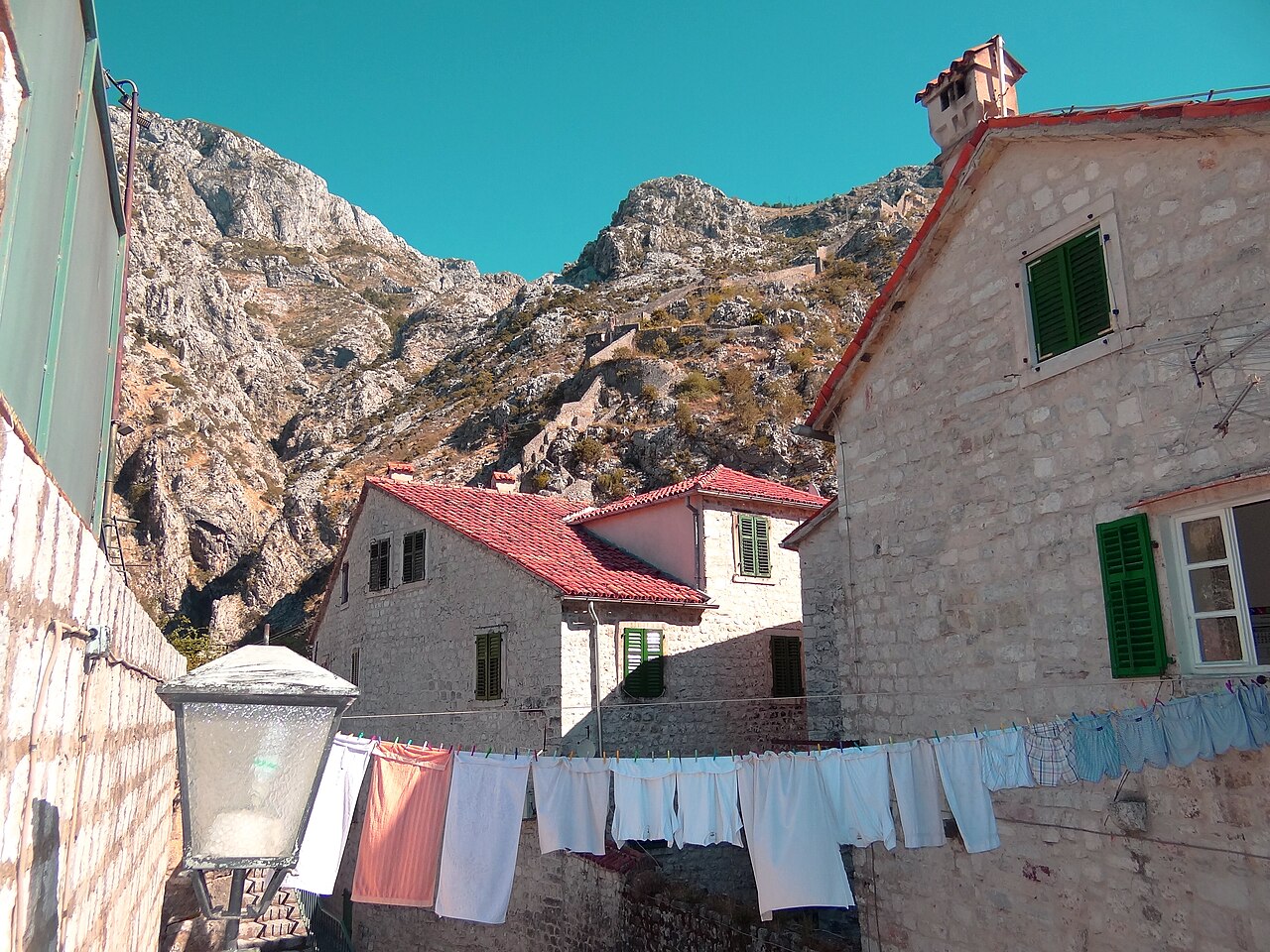
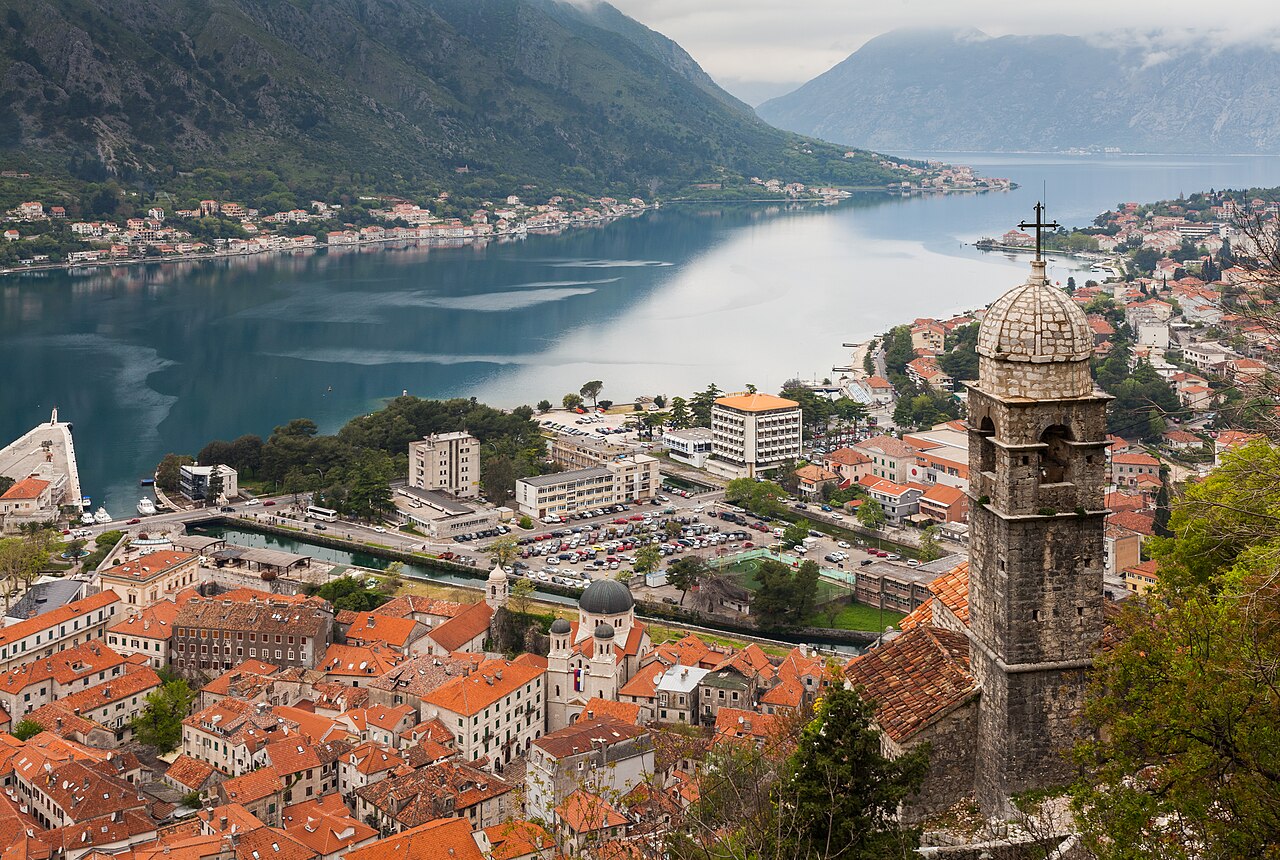
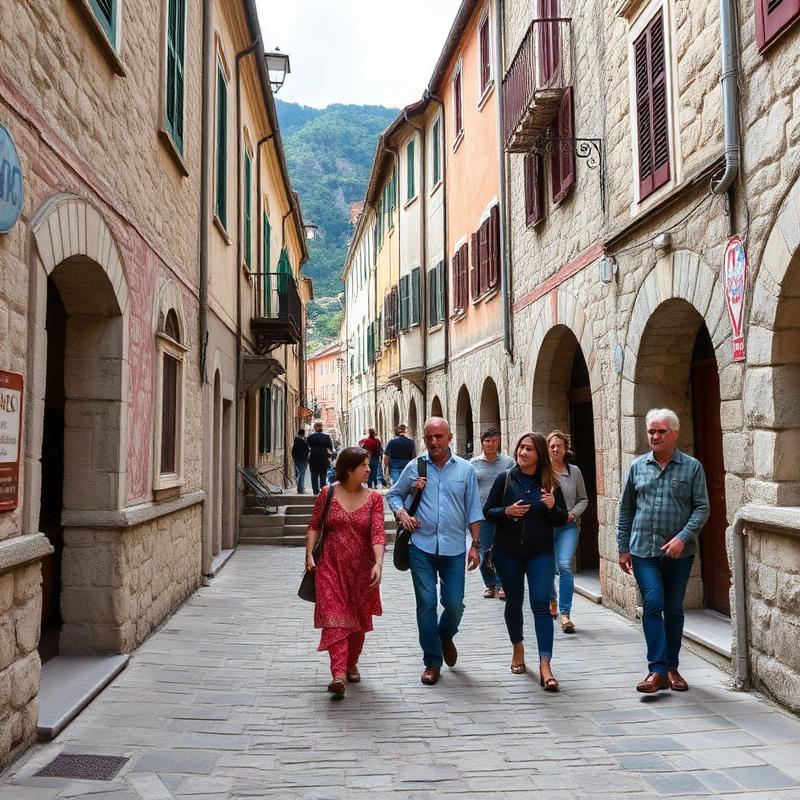
Wrapped in Venetian walls that climb the mountainside, Kotor’s UNESCO-listed old town is a maze of stone lanes, churches and squares. Climb to the fortress for the classic view over the fjord-like Bay of Kotor.
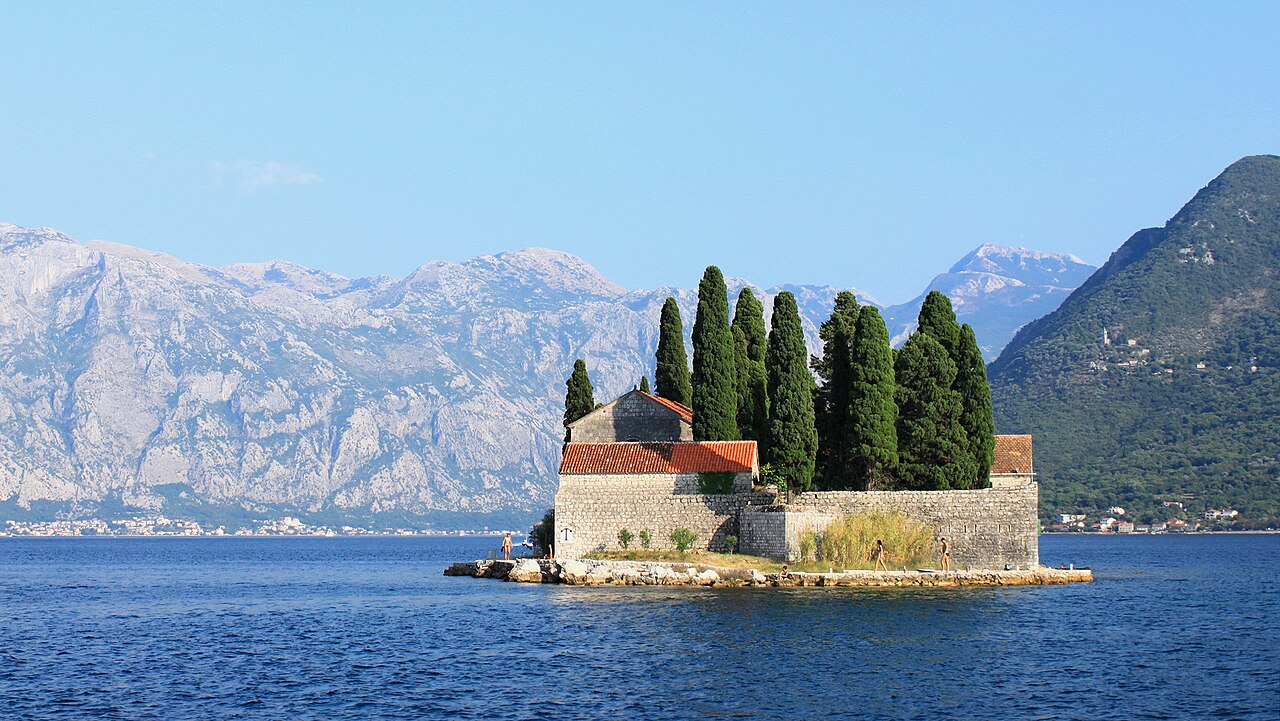
Kotor sits at the innermost point of the Bay of Kotor, a deep limestone inlet often described as the most dramatic fjord-like landscape in southern Europe. UNESCO inscribed the walled old town and its bay setting together in 1979, recognising a street plan and fortifications built up across Illyrian, Roman, Venetian and Austro-Hungarian rule. Romanesque St. Tryphon Cathedral, consecrated in 1166, anchors a tight grid of squares once dedicated to separate trades — arms, flour, milk. Above the rooftops, roughly 1,350 stone steps climb the city walls to the ruined Castle of San Giovanni, a demanding but short hike rewarded with a full sweep of the bay. Kotor is also a major cruise-ship port, so the old town is calmest early morning or after the ships sail at dusk. A resident colony of cats, tied to the town’s seafaring past, gets its own small museum near the cathedral.
Highlights
Old Town walking tour
Fortress hike
Bay of Kotor cruise
St. Tryphon Cathedral
Cat Museum
Where it is
A crossroads of empires
Kotor first appears in Roman records as Acruvium, but its surviving character is overwhelmingly Venetian: the Republic of Venice governed the city as Cattaro from 1420 to 1797, and the winged lion of St. Mark still watches over its gates. Before Venice came Byzantine, Serbian Nemanjić and briefly independent city-republic rule; afterwards, Napoleonic French, Russian and Austro-Hungarian administrations each added a layer. The defensive walls, running some 4.5 km and rising up to 20 m, were raised and reinforced across those centuries. The Bokeljska Mornarica, the bay’s ancient maritime brotherhood, traces its origins to the ninth century.
Through the Sea Gate
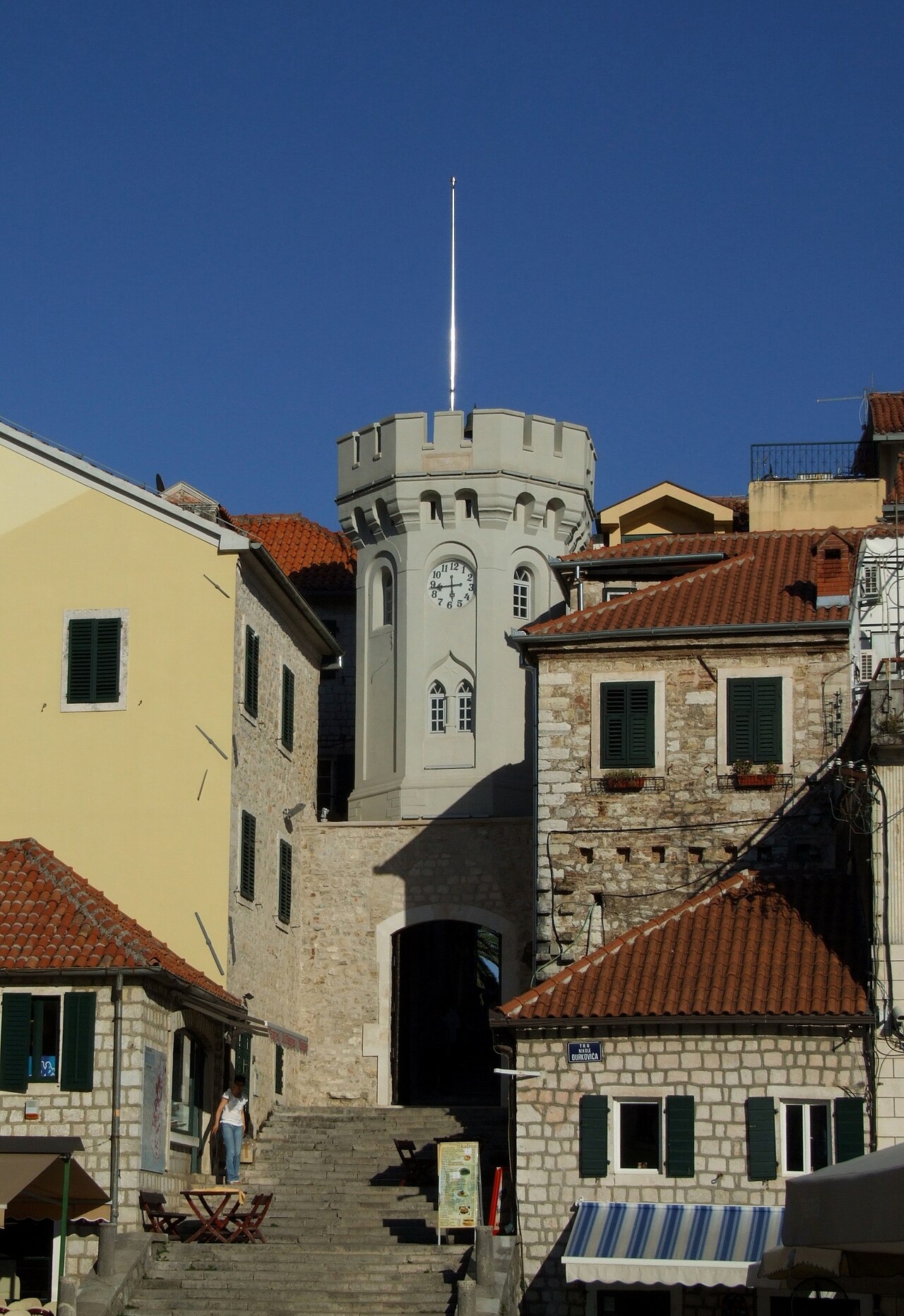
Most visitors enter by the Sea Gate of 1555, above which a socialist-era inscription and the date 21 November 1944 mark the city’s WWII liberation. Inside, the Clock Tower of 1602 rises over the Square of Arms beside a stone pillar of shame once used to punish wrongdoers. St. Tryphon’s Cathedral shows two mismatched baroque bell towers, rebuilt after repeated earthquakes. Tiny St. Luke’s Church of 1195 holds both an Orthodox and a Catholic altar, a mark of the bay’s mixed faith. The Maritime Museum, in the baroque Grgurina Palace, tells the story of Kotor’s sea captains through model ships, portraits and weapons.
Climbing the walls and reaching the bay
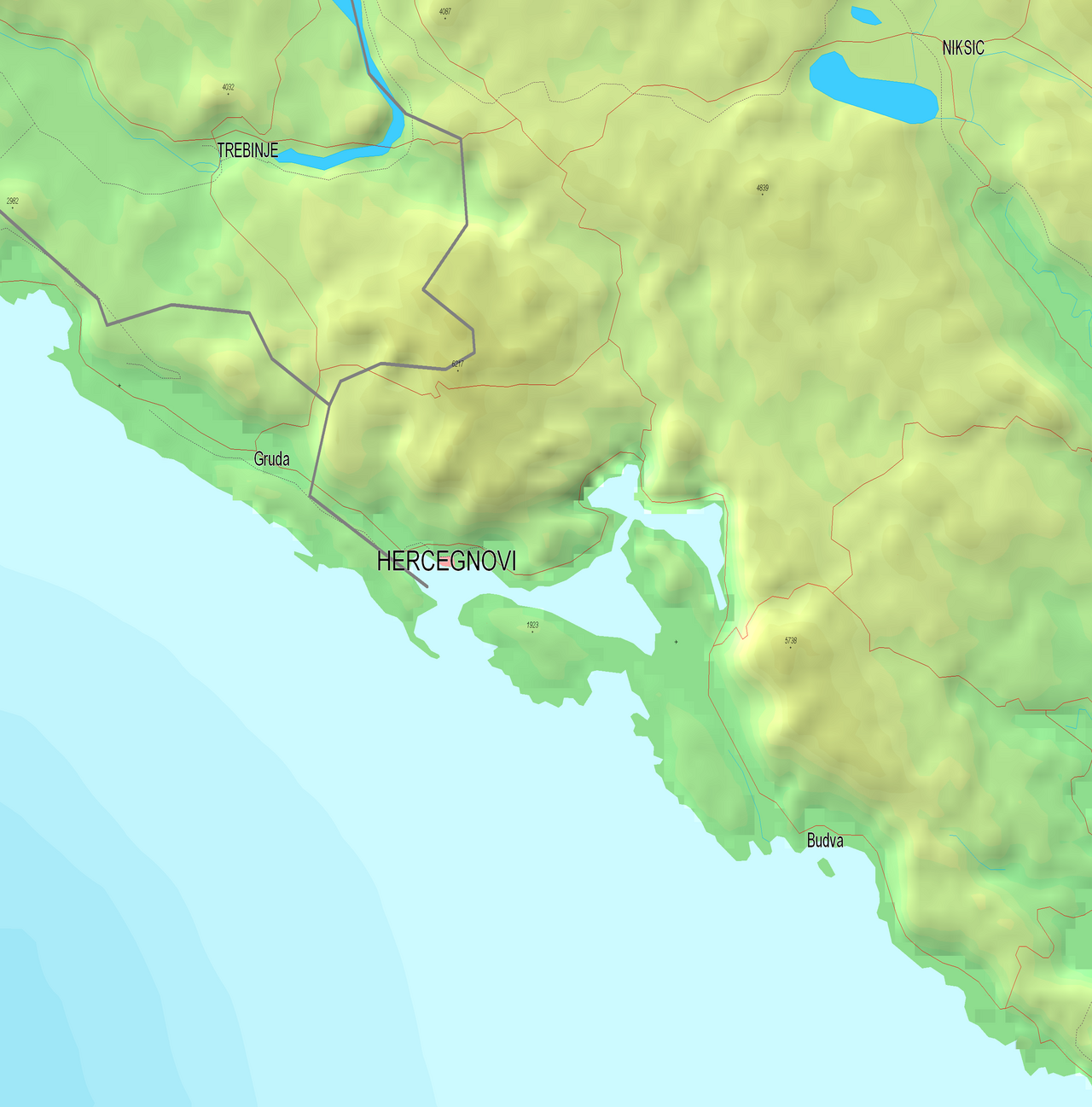
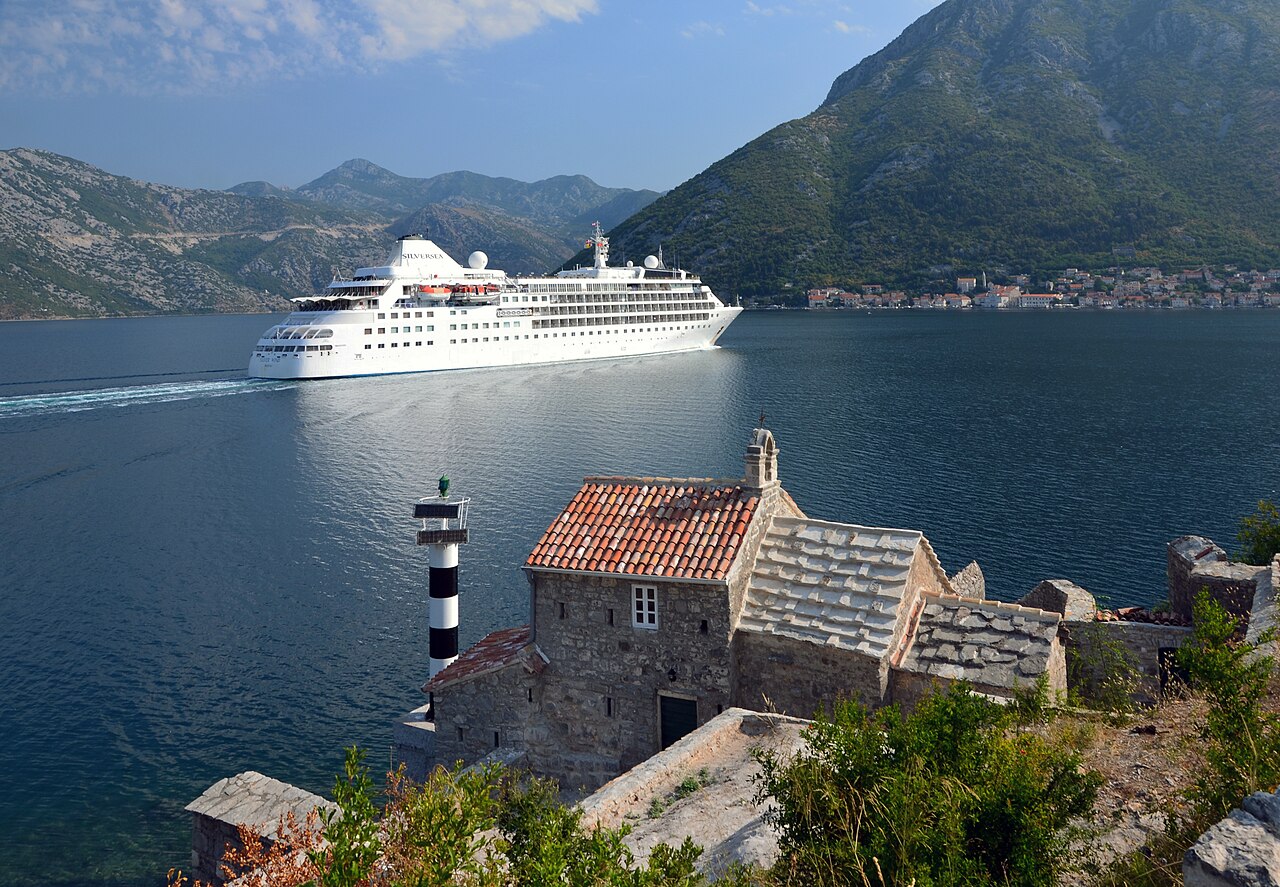
Beyond the popular fortress climb, a steeper old caravan trail — the Ladder of Kotor — zigzags up dozens of switchbacks toward Lovćen and the hamlet of Špiljari, offering the same views with a fraction of the crowds. Drivers should note the bay’s geography: the Kamenari–Lepetane ferry shortcuts the long loop around the water, saving the 40-minute drive via Risan. Cruise ships berth right beside the walls, so the old town swells and empties with their schedule; arriving before 9am or after 6pm gives the calmest experience. Tivat Airport lies just 8 km away over the Vrmac ridge.
Bay flavours and living traditions
Kotor’s kitchens lean hard on the water: mussels and oysters farmed off nearby Ljuta, black cuttlefish risotto and grilled Adriatic fish appear on almost every menu, usually paired with a Vranac red or Krstač white from the interior. The patron saint is honoured each February at the Tripundanska feast, when the Maritime Brotherhood performs its centuries-old kolo in historic costume. And then there are the cats: descendants of ships’ mousers, they lounge in every square and have become an unofficial civic emblem, with their own souvenir shops and a small dedicated museum near the cathedral.
Plan your visit
Line up where to stay and what to do around Kotor.
Official resources & further reading
Frequently asked questions
How do I get to Kotor?
Kotor is about 8 km from Tivat Airport and roughly 1 hour from Podgorica Airport by road; regular buses also run along the coast from Budva, Herceg Novi and Dubrovnik.
Is Kotor worth visiting?
Yes — its UNESCO-listed old town, encircling fortress walls and dramatic bay setting make it one of the most rewarding stops on the Adriatic coast.
What’s the best time to visit Kotor?
Late spring (May–June) and early autumn (September) bring warm weather without the cruise-ship crowds and heat of July–August.
How long should I spend in Kotor?
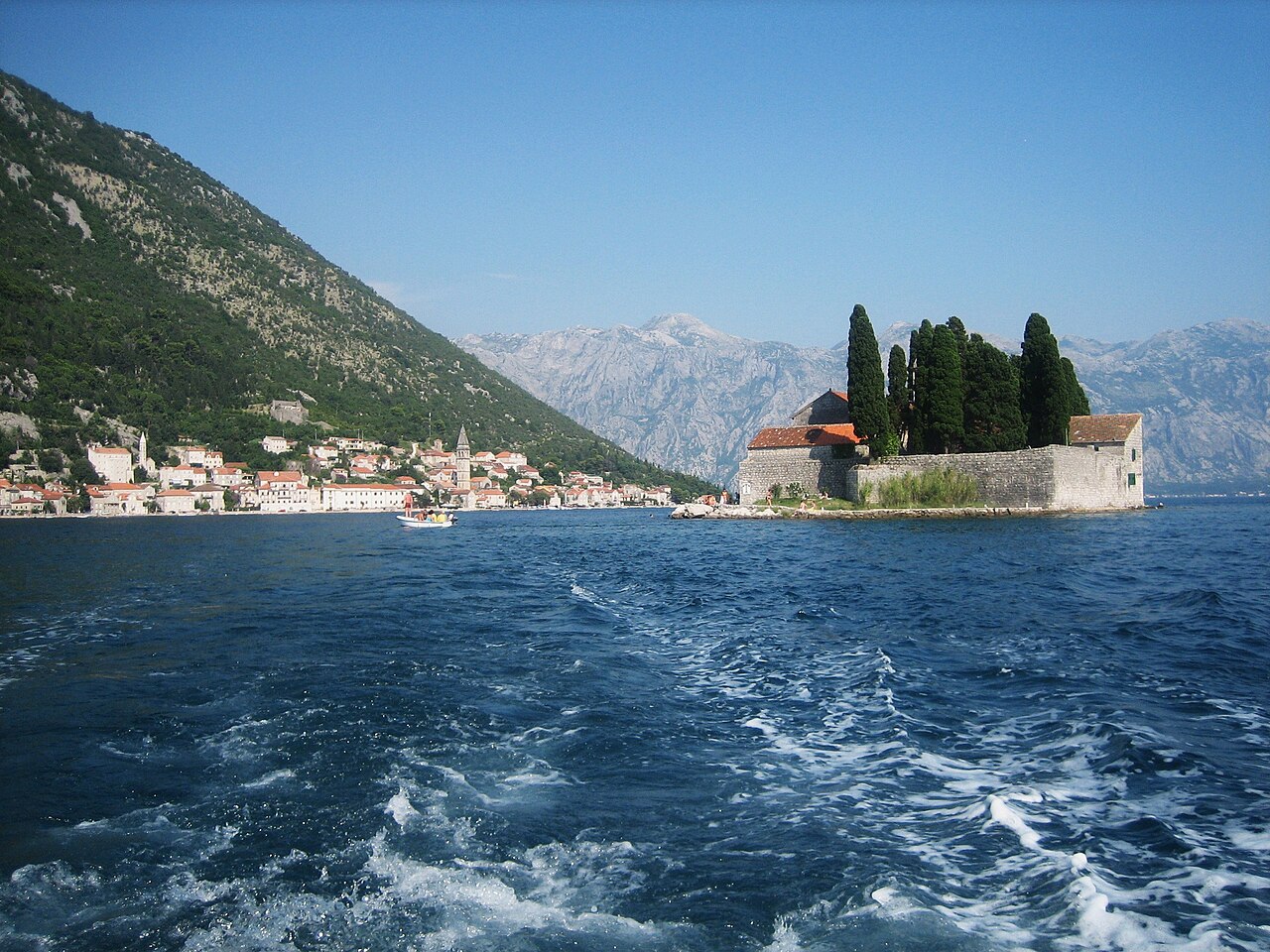
Half a day covers the old town and a walk up the fortress walls; stay a night or two to explore the wider bay, including Perast, at a slower pace.
Experiences in Kotor
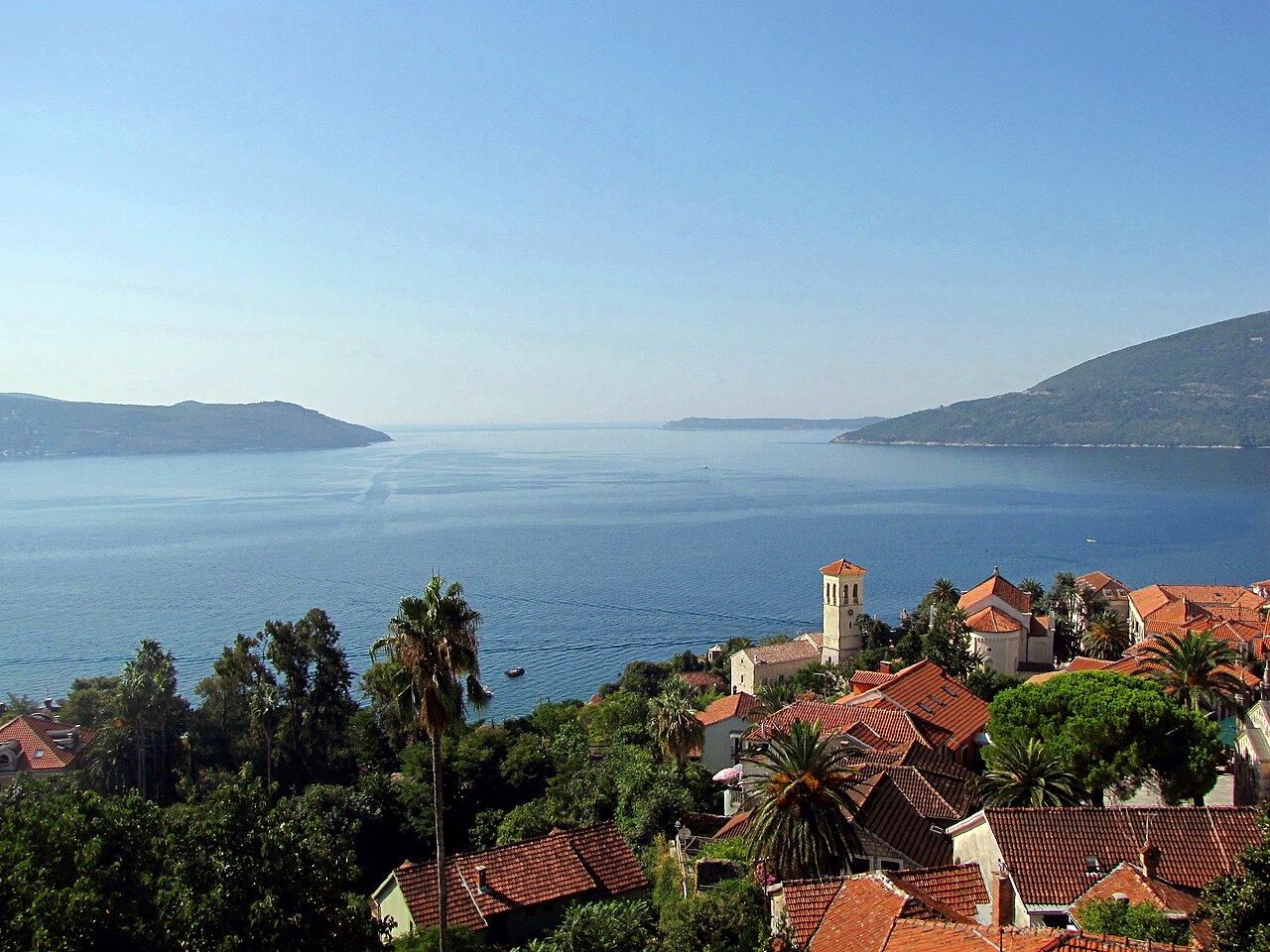
Herceg Novi, Montenegro
4.6
(88)
Herceg Novi Coastal Walk & Forte Mare
2.5 hours
Contact for price
Guest favourite
Njeguši, Montenegro
4.9
(167)
Lovćen & Njeguši Village Food Tour
6 hours
Contact for price
Kotor, Montenegro
4.8
(456)
Old Town Walking Tour
2.5 hours
Contact for price
Guest favourite
Kotor, Montenegro
5.0
(76)
Paragliding over the Bay of Kotor
2 hours (incl. transfer)
Contact for price
Guest favourite
Perast, Montenegro
4.8
(278)
Perast & Our Lady of the Rocks Boat Tour
2 hours
Contact for price
Guest favourite
Kotor, Montenegro
4.9
(234)
Sea Kayaking Adventure in the Bay of Kotor
4 hours
Contact for price
Guest favourite
Perast, Montenegro
4.9
(312)
Sunset Dining Experience by the Sea
3 hours
Contact for price
Guest favourite
Kotor, Montenegro
4.9
(143)
Traditional Montenegrin Cooking Class
3.5 hours
Contact for price