Lake Skadar
The Balkans’ largest lake and wine country.
- Best time
- April–June for birdlife and blooms; summer for swimming
- Ideal for
- Birdwatchers, wine lovers, families
- Time needed
- Half a day for a boat safari
- Getting there
- 40-min drive from Podgorica Airport to Virpazar
- Region
- Lake Skadar
- Nearest airport
- Podgorica Airport (TGD), ~35 km
Ideal for
Birdwatchers
Wine lovers
Nature lovers
Photographers
Families
About Lake Skadar
A national park of lily-covered water, island monasteries and birdlife, ringed by the family vineyards of the Crmnica region.
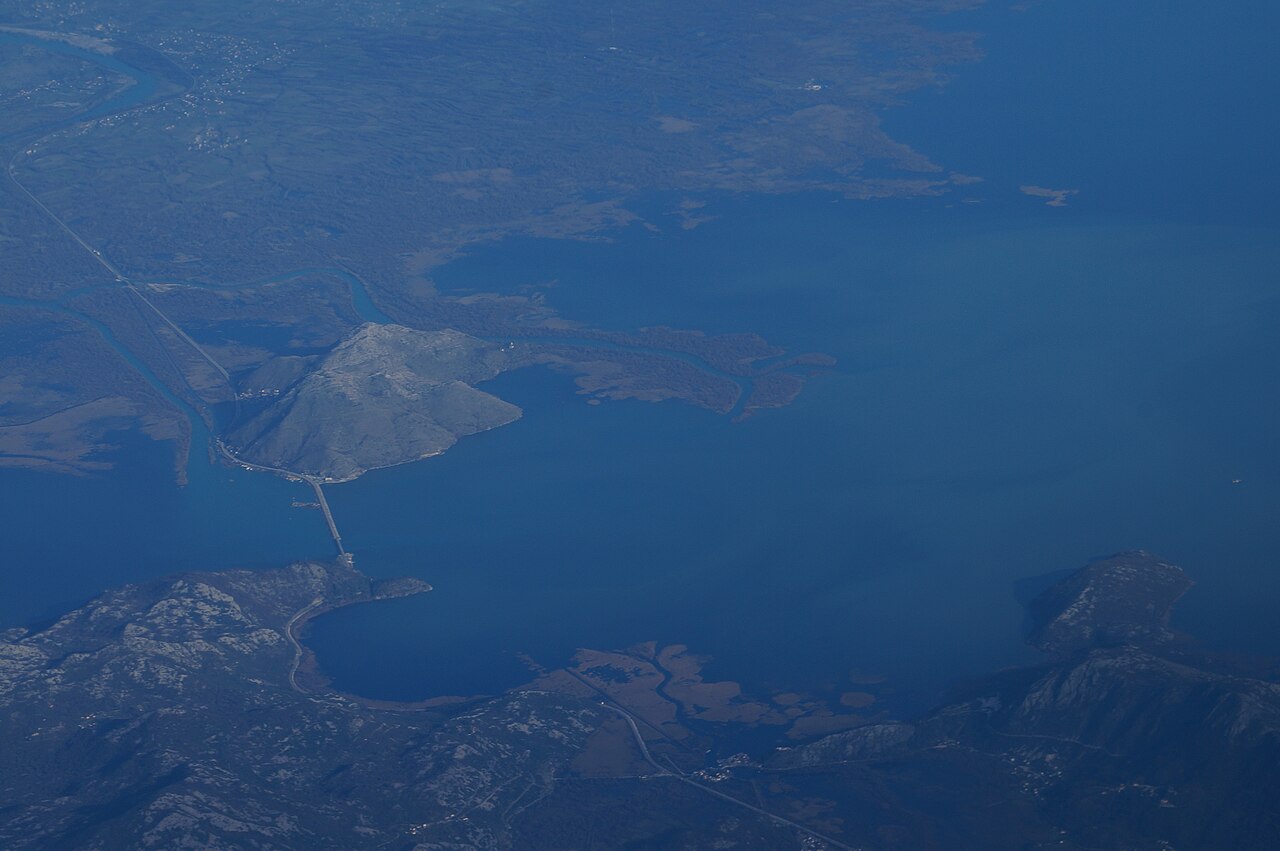
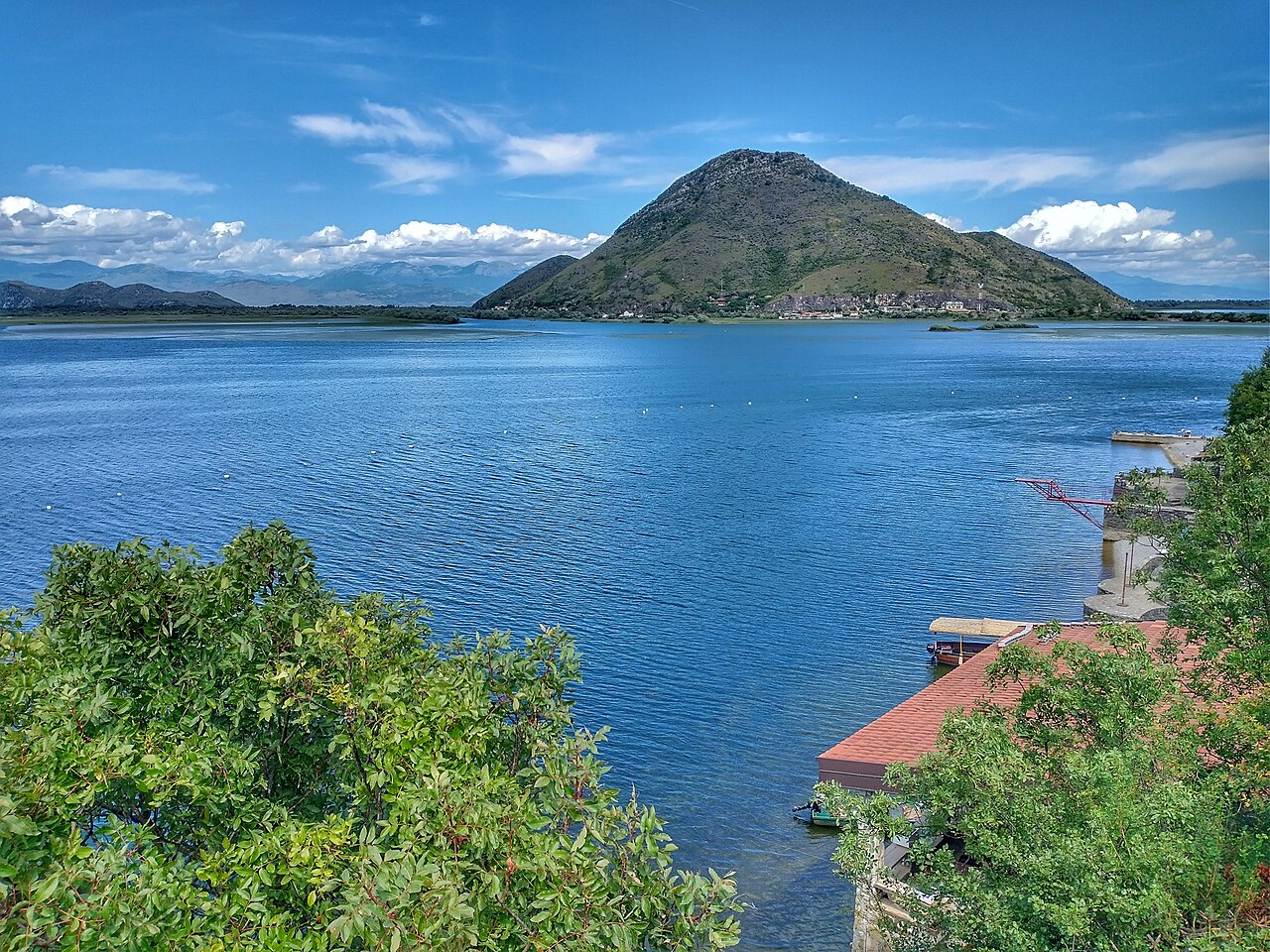
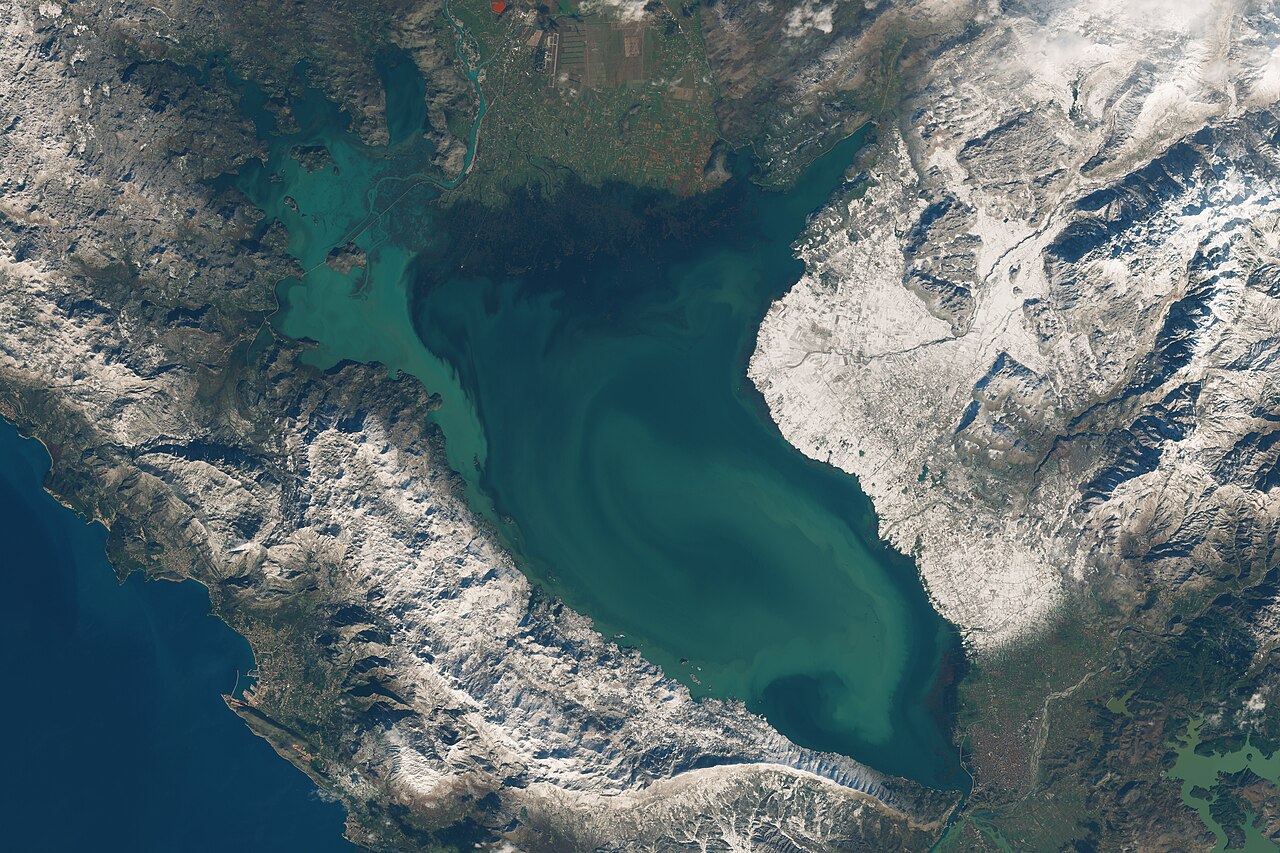
Lake Skadar is the largest lake in Southern Europe, shared between Montenegro and Albania, and protected on the Montenegrin side as a national park since 1983. Its shallow, reed-fringed waters — fed by the Morača river and drained via the Bojana to the Adriatic — support one of Europe’s most important bird habitats, with over 280 recorded species including the Dalmatian pelican, Montenegro’s national bird. Small stone villages and abandoned Venetian-era fortifications ring the shore, and several island monasteries, among them Moračnik and Starčevo, still hold Orthodox relics and frescoes. Virpazar, on the lake’s western edge, is the main gateway for boat safaris. Inland, the Crmnica hills produce Vranac, Montenegro’s signature red grape, in family-run wineries that pre-date the national park by generations.
Highlights
Lake boat safari
Island monasteries
Crmnica wine tasting
Where it is
A lake that breathes with the seasons
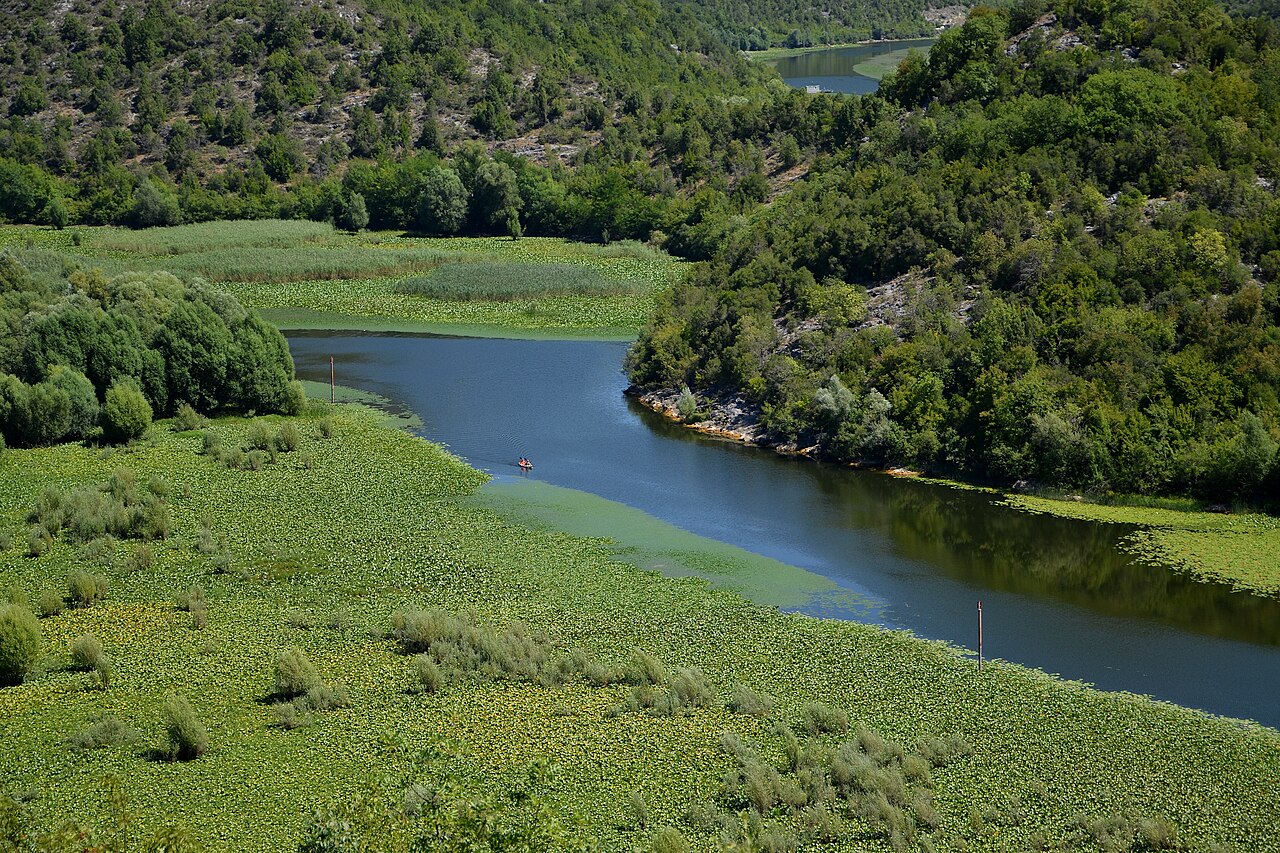
Skadar is a karst cryptodepression: much of its floor lies below sea level, and deep underwater springs known as oka (‘eyes’) plunge tens of metres down, feeding the lake alongside the Morača river. Its surface swells and shrinks dramatically with the seasons, spreading across low fields in the wet months and drawing back in high summer, when broad rafts of white and yellow water lilies carpet the shallows. Those reed beds and lilies shelter carp, eel and the small bleak (ukljeva) that have sustained local fishermen for centuries, and underpin the extraordinary birdlife the national park was created to protect.
Monasteries, fortresses and villages
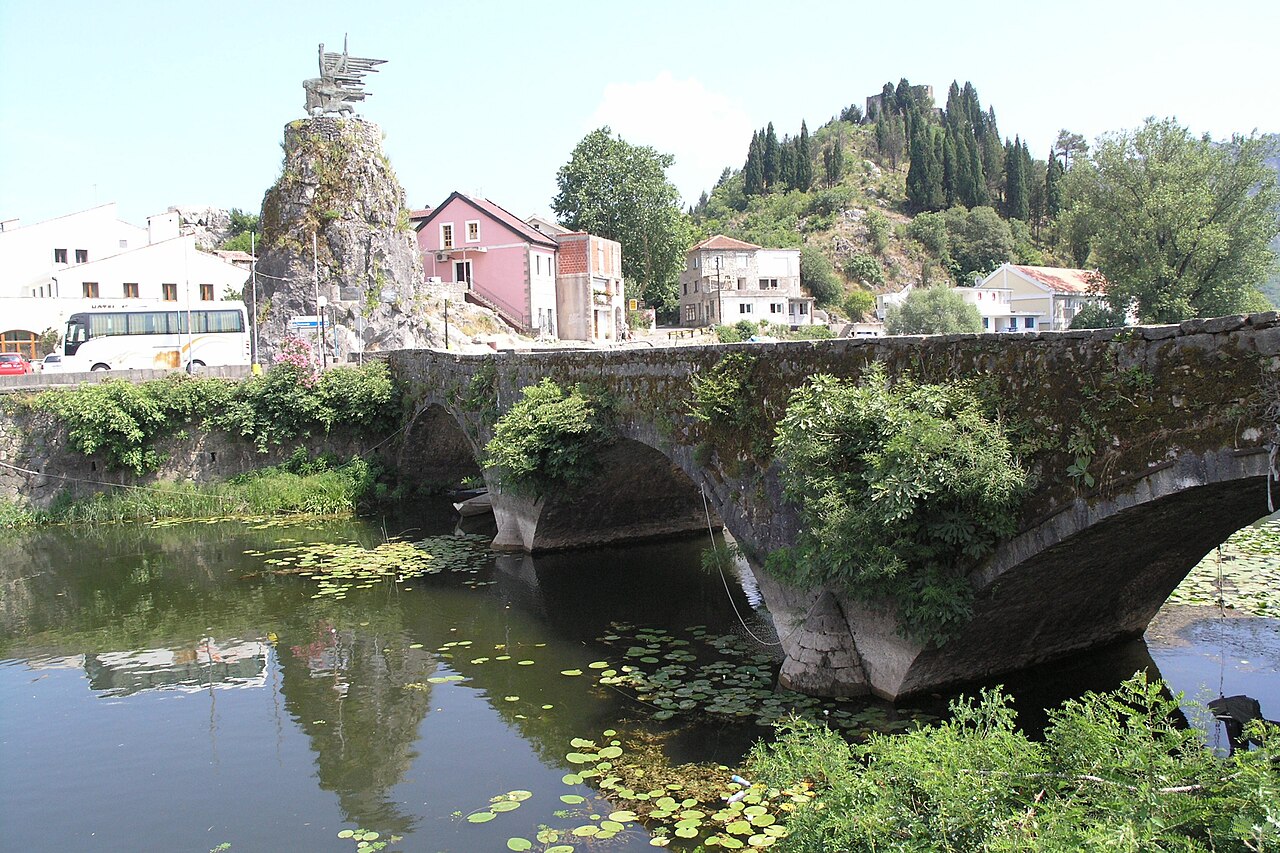
History studs the shoreline. Tiny island monasteries — Beška with its two medieval churches, plus Moračnik, Starčevo and Kom — kept Orthodox learning alive under Ottoman pressure. Ringing them are fortresses: Ottoman Besac above Virpazar, the ruined Lesendro on its causeway, and Grmožur, a prison-island once dubbed Montenegro’s Alcatraz. On the northern shore stand the walls of Žabljak Crnojevića, a 15th-century capital of the Crnojević dynasty. Ashore, the old wine village of Godinje is a warren of interconnected stone houses and vaulted cellars, while Karuč and Dodoši keep the rhythm of lakeside fishing life.
Wine country and the table
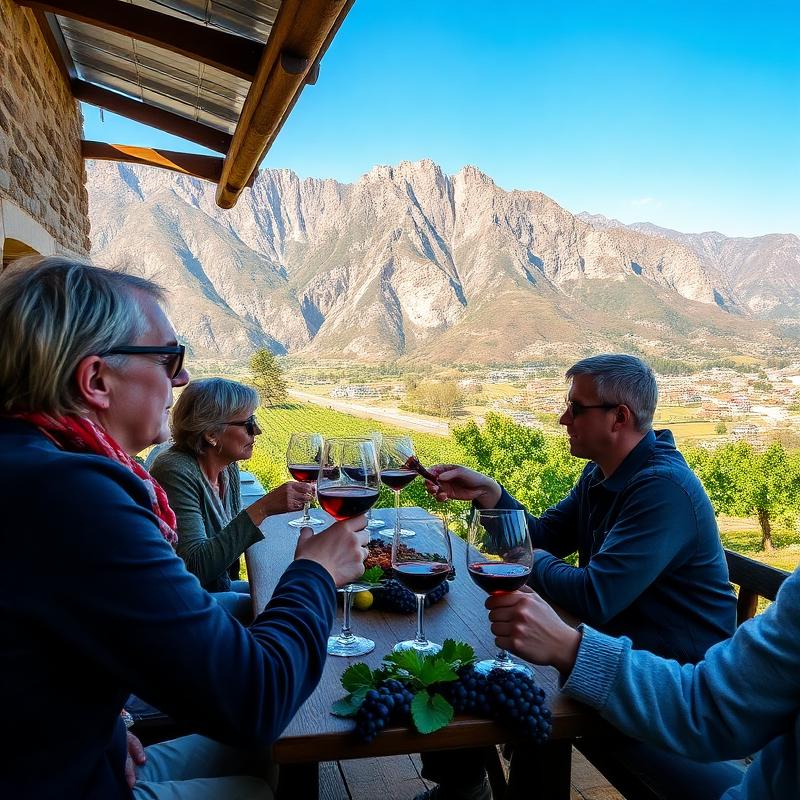
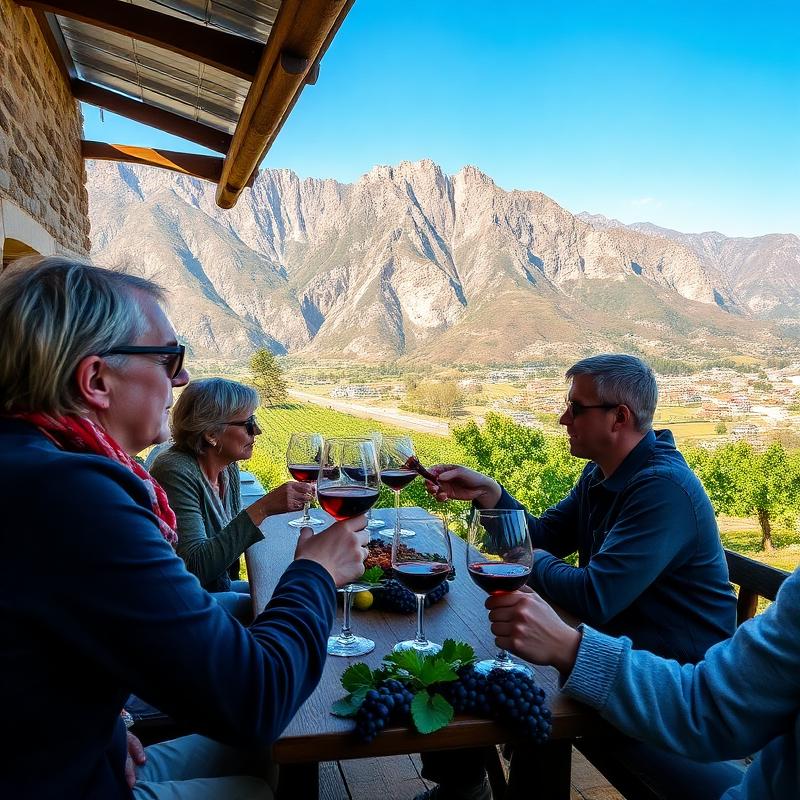
South of the water rise the Crmnica hills, Montenegro’s most storied wine district, where family cellars around Virpazar, Limljani and Godinje press the deep-red Vranac and its lighter cousin Kratošija from vines worked for generations. Tastings are informal and generous, often paired with home-cured ham, sheep’s cheese and honey. The lake’s own kitchen leans on its catch: carp baked with prunes, smoked bleak, and eel from the Bojana channel. A long lunch of lake fish and Crmnica red, taken on a vine-shaded terrace, is as much the point of a visit as the boat trip that precedes it.
Getting there, boats and birds
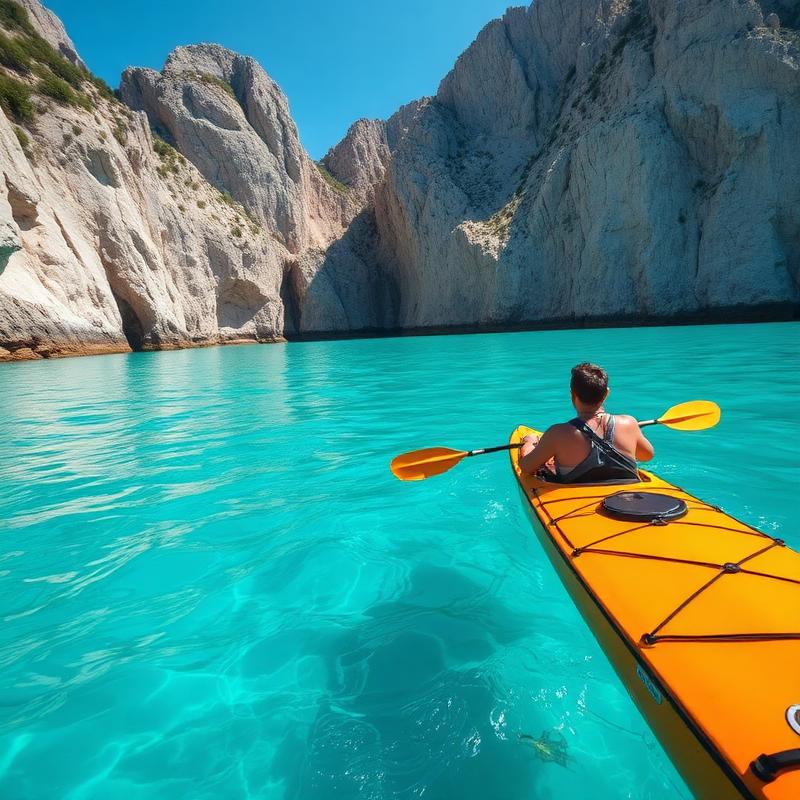
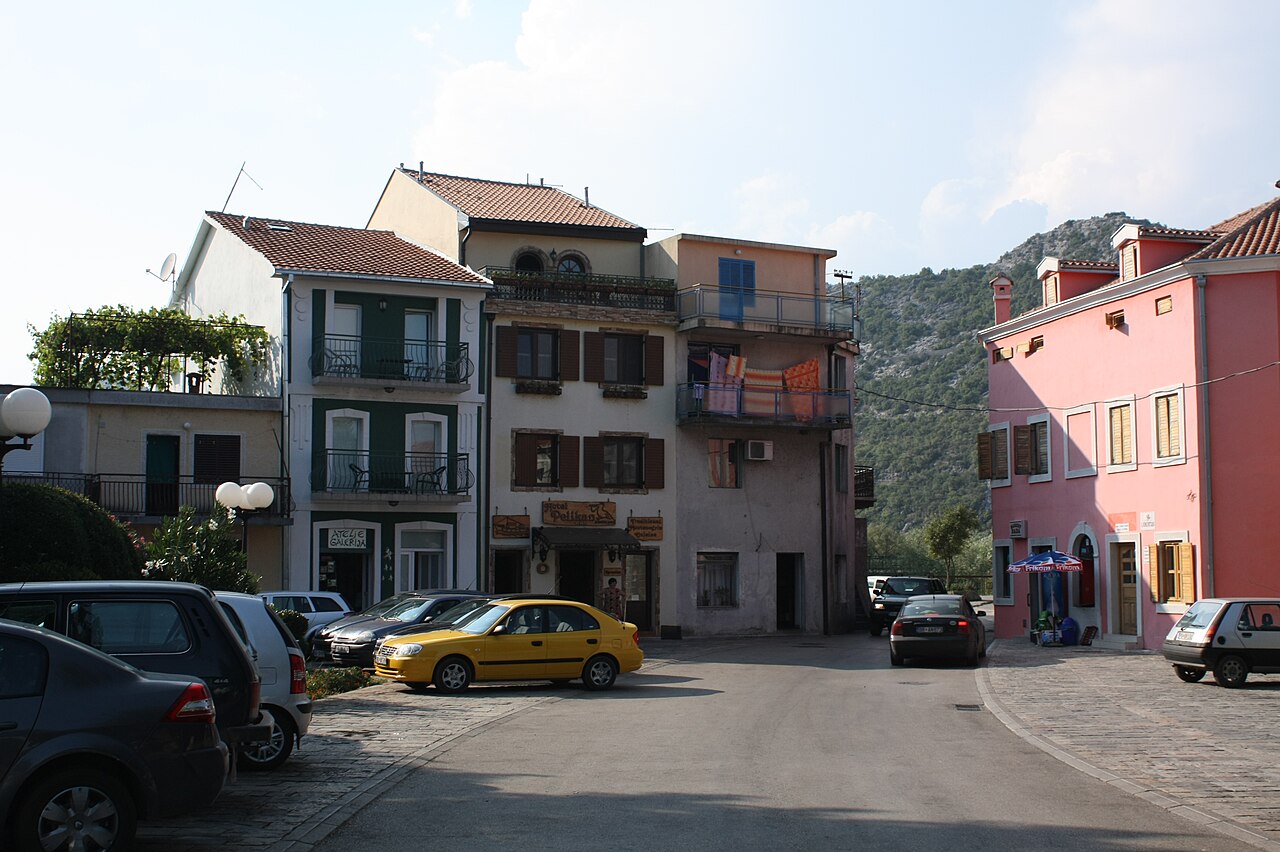
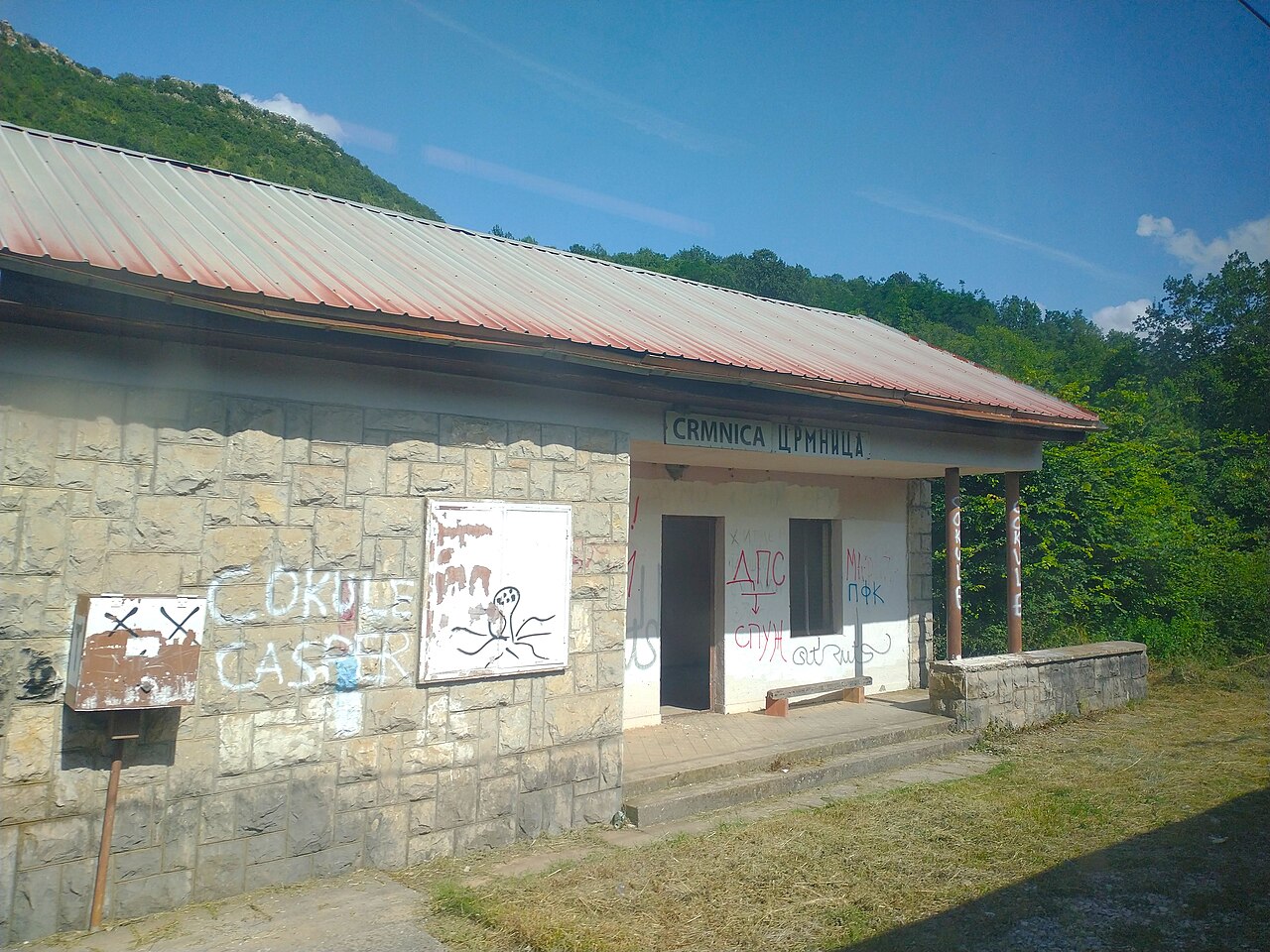
Virpazar, the main gateway, sits right beside the Bar–Podgorica highway and railway, so it is reachable even without a car — trains stop at its little station. From the harbour, small boats run half-day safaris deep into the reed channels; kayaks offer a quieter alternative. For birdwatchers the reward is one of Europe’s largest colonies of Dalmatian pelicans, along with pygmy cormorants and herons, best seen in spring around the Pančeva oka wetlands. April to June brings peak birdlife and blooming lilies; midsummer is warmest for swimming straight off the boat into the cool, clear water.
Plan your visit
Line up where to stay and what to do around Lake Skadar.
Official resources & further reading
Frequently asked questions
How do I get to Lake Skadar?
Virpazar, the main gateway village, is about 35 km and a 40-minute drive from Podgorica Airport, with boat tours departing from its small harbour.
Is Lake Skadar worth visiting?
Yes, especially for birdwatchers and anyone wanting a slower, greener contrast to the coast — it’s the Balkans’ largest lake and a major wetland habitat.
What’s the best time to visit Lake Skadar?
Spring (April–June) brings the most birdlife and blooming water lilies; summer is best for swimming off the boats.
How long should I spend at Lake Skadar?
A half-day boat safari from Virpazar is the standard visit; wine-tasting in Crmnica can extend it to a full day.
Experiences in Lake Skadar
Virpazar, Montenegro
4.5 hours
€60.00
per person
Crmnica, Montenegro
1.5 hours
€30.00
per person
Rijeka Crnojevića, Montenegro
3 hours
€70.00
€55.00
per person
Crmnica, Montenegro
4 hours
€55.00
per person
Virpazar, Montenegro
2 hours (private boat)
€90.00
per person
Rijeka Crnojevića, Montenegro
3 hours
€30.00
per person
Top pick
Lake Skadar (from Podgorica), Montenegro
6 hours
€85.00
per person