M
Herceg Novi

Herceg Novi

The sunny “city of stairs” at the mouth of the bay.

Best time
Year-round mild climate; February for the Mimosa Festival
Ideal for
History lovers, walkers, garden lovers
Time needed
Half a day to a full day
Getting there
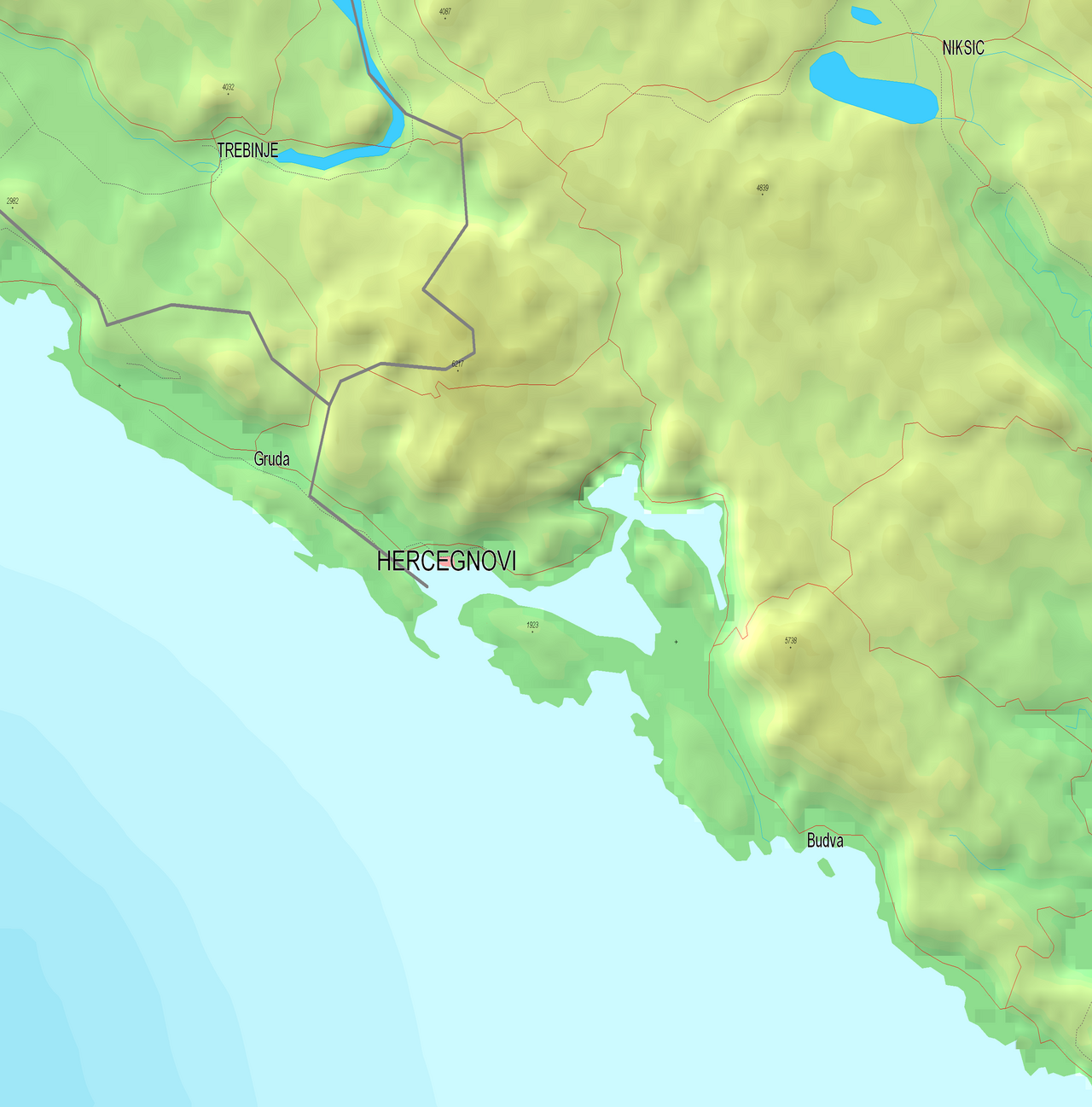
Kamenari–Lepetane ferry from the Tivat side, or via Dubrovnik Airport
Region
Kotor Bay
Nearest airport
Dubrovnik Airport (Croatia), ~35 km

Ideal for

History lovers
Walkers
Off-the-beaten-path travelers
Garden lovers

About Herceg Novi

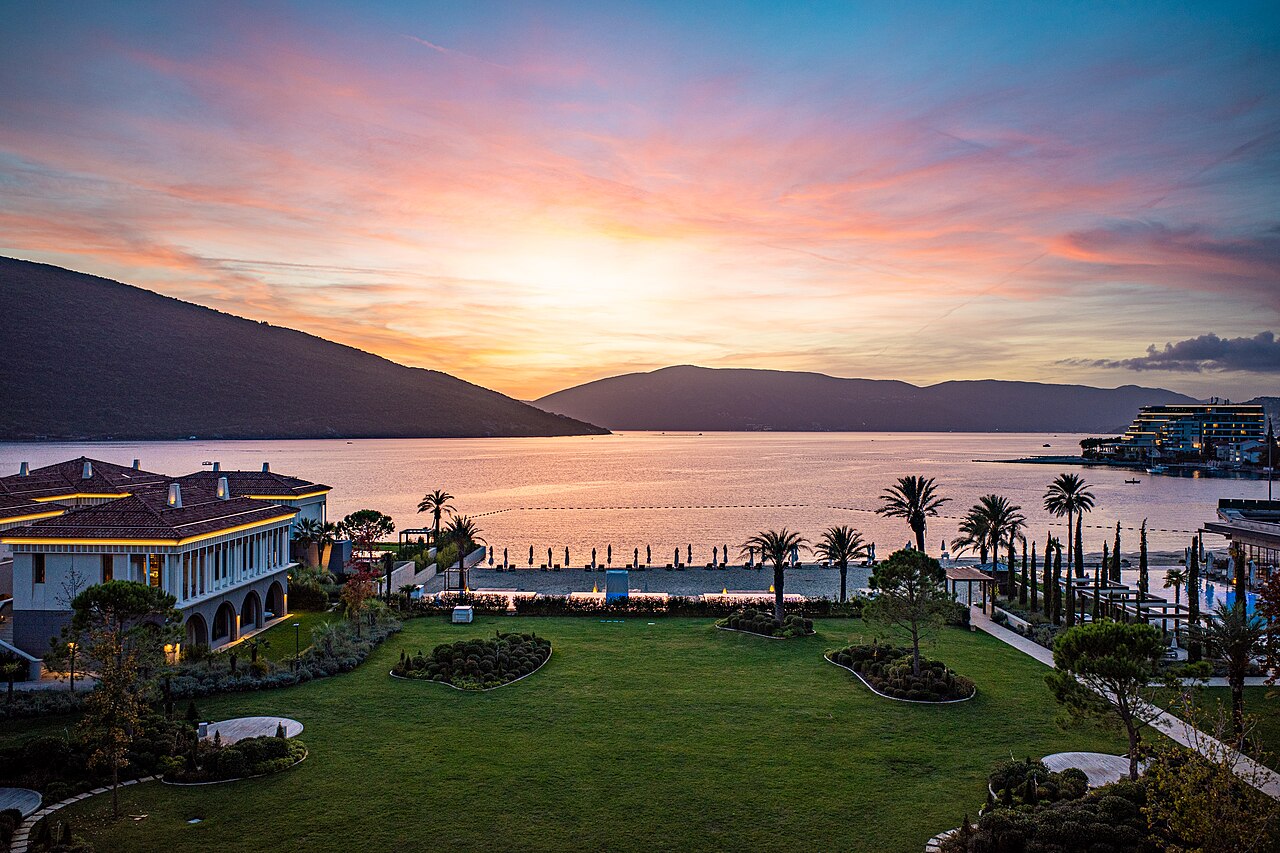
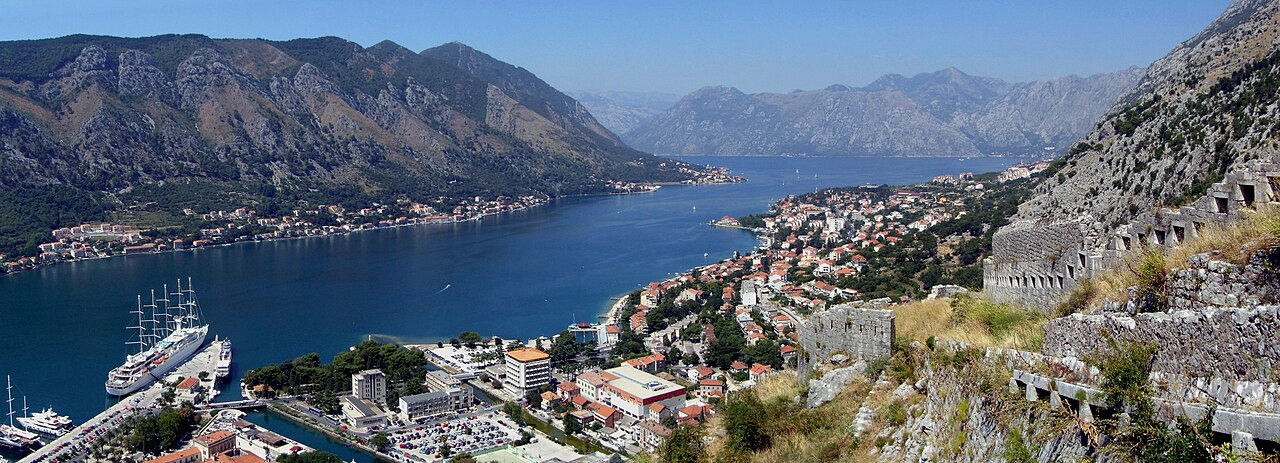
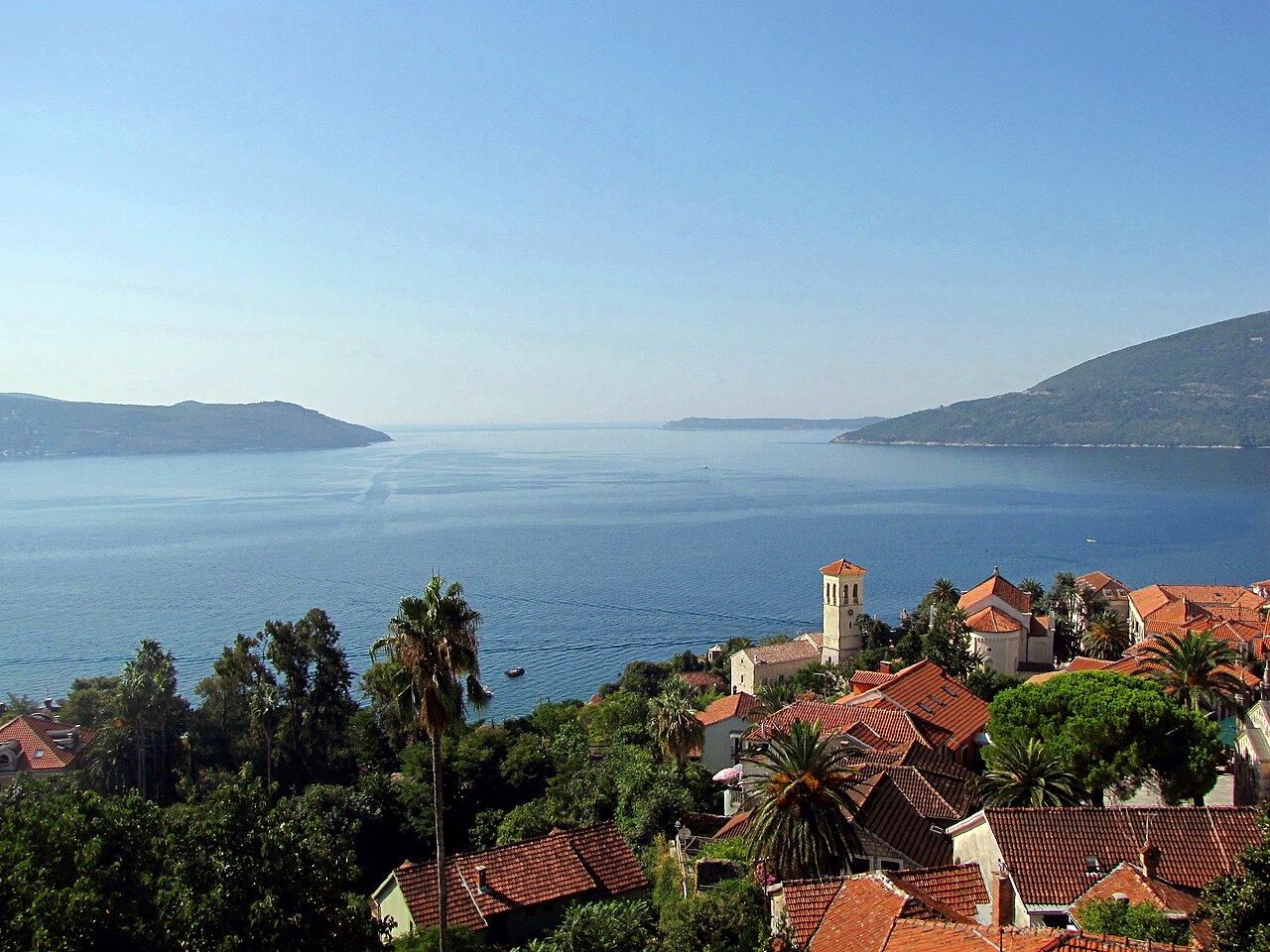
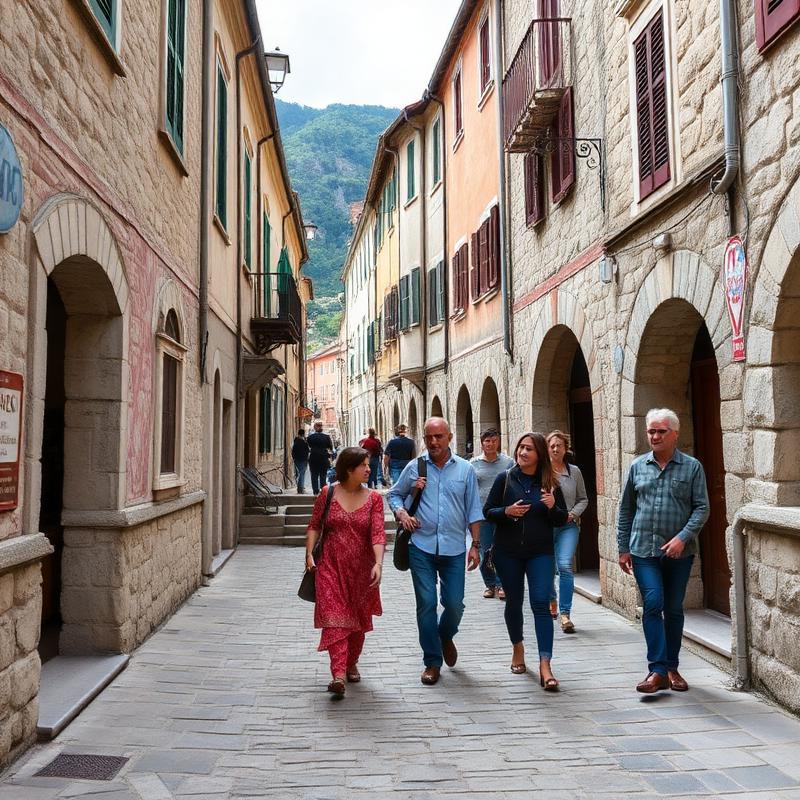
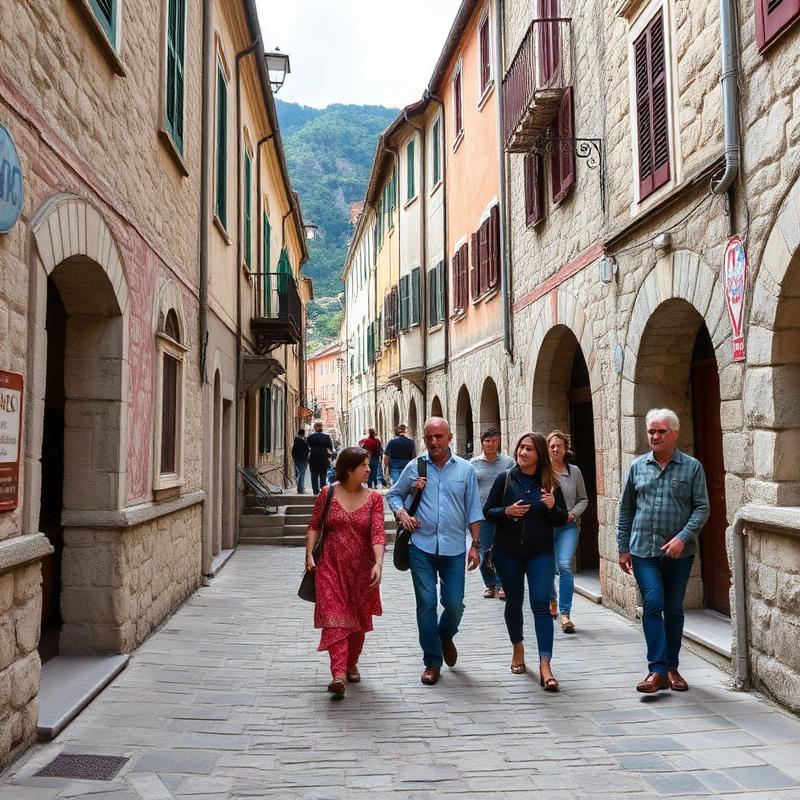
Guarding the entrance to the Bay of Kotor, Herceg Novi tumbles down the hillside in a maze of stairways, seaside forts and flowering terraces, with the sunniest weather on the coast.

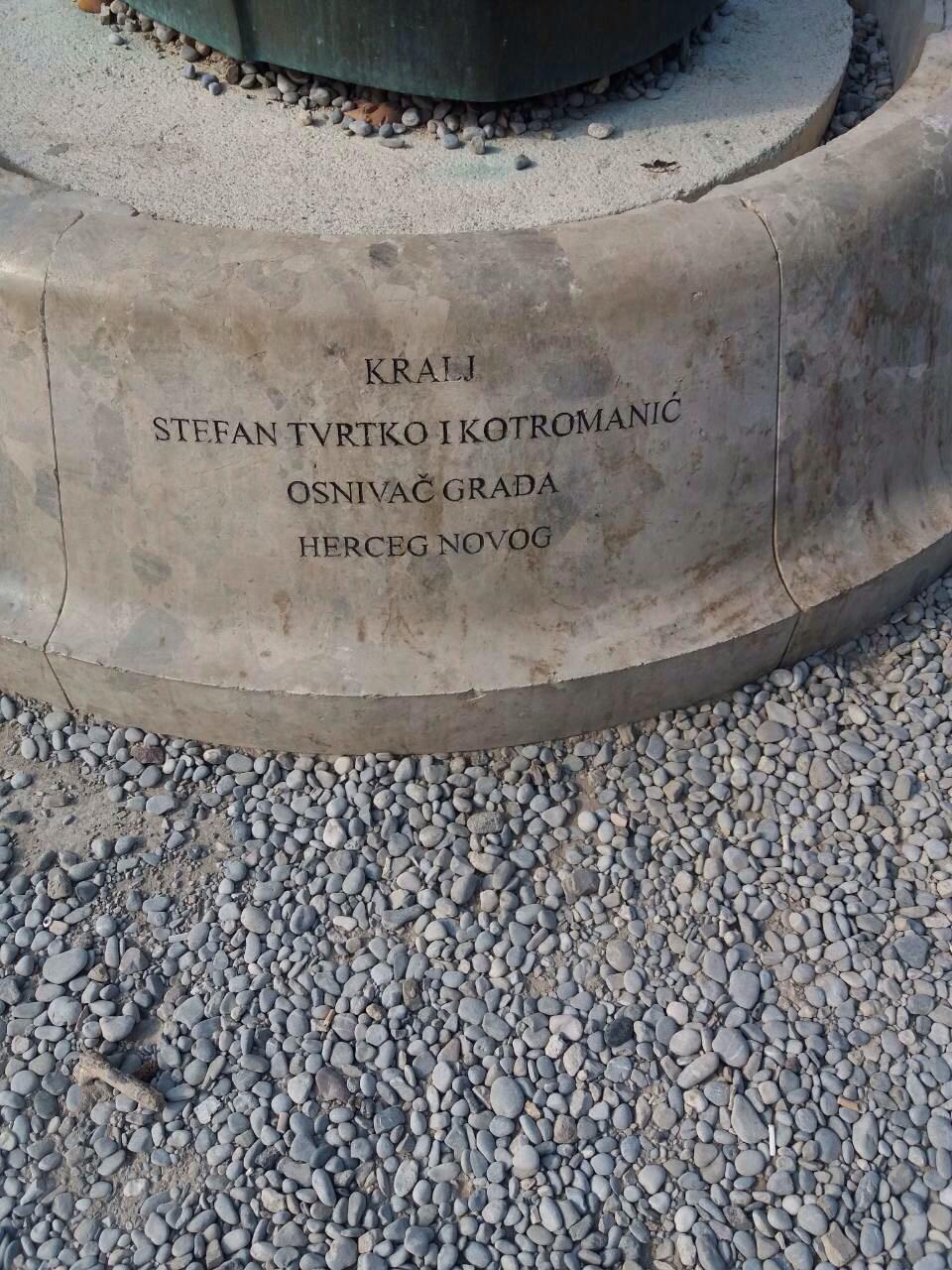
Herceg Novi was founded in 1382 by the Bosnian king Tvrtko I at the mouth of the Bay of Kotor, then passed in turn through Ottoman, Venetian, Habsburg, French and Austro-Hungarian hands — each leaving fortifications behind, including the Ottoman-built Kanli Kula ("Bloody Tower") and the seafront Forte Mare. That layered history is compressed into a compact old town connected by hundreds of stone stairways climbing the hillside, which locals call being a "city of stairs." Herceg Novi also claims Montenegro’s sunniest, mildest microclimate, supporting palm-lined promenades and a botanical park with subtropical species rarely found elsewhere on the coast. Each February the town holds the Mimosa Festival, a tradition marking the flower’s bloom. Savina Monastery, a short walk along the coast, adds a quieter Orthodox pilgrimage site nearby.

Highlights

Forte Mare fortress
The famous stairways
Mimosa-lined promenade

Where it is

Six flags over a fortress town

Few towns have changed hands so often. Founded in 1382 by the Bosnian king Tvrtko I as Sveti Stefan, Herceg Novi fell to the Ottomans in 1482, was briefly held by a Spanish garrison in 1538 — who left the hilltop Španjola fortress — then passed to Venice in 1687 and later through French, Russian and Austro-Hungarian rule before joining Montenegro in 1918. Each ruler fortified the heights, so the town is crowned by three castles: the seafront Forte Mare, the squat Ottoman Kanli Kula (‘Bloody Tower’) with its open-air stage, and the Španjola on the ridge above, all laced together by the maze of stairways that gives the town its nickname.

Stairways and a subtropical garden

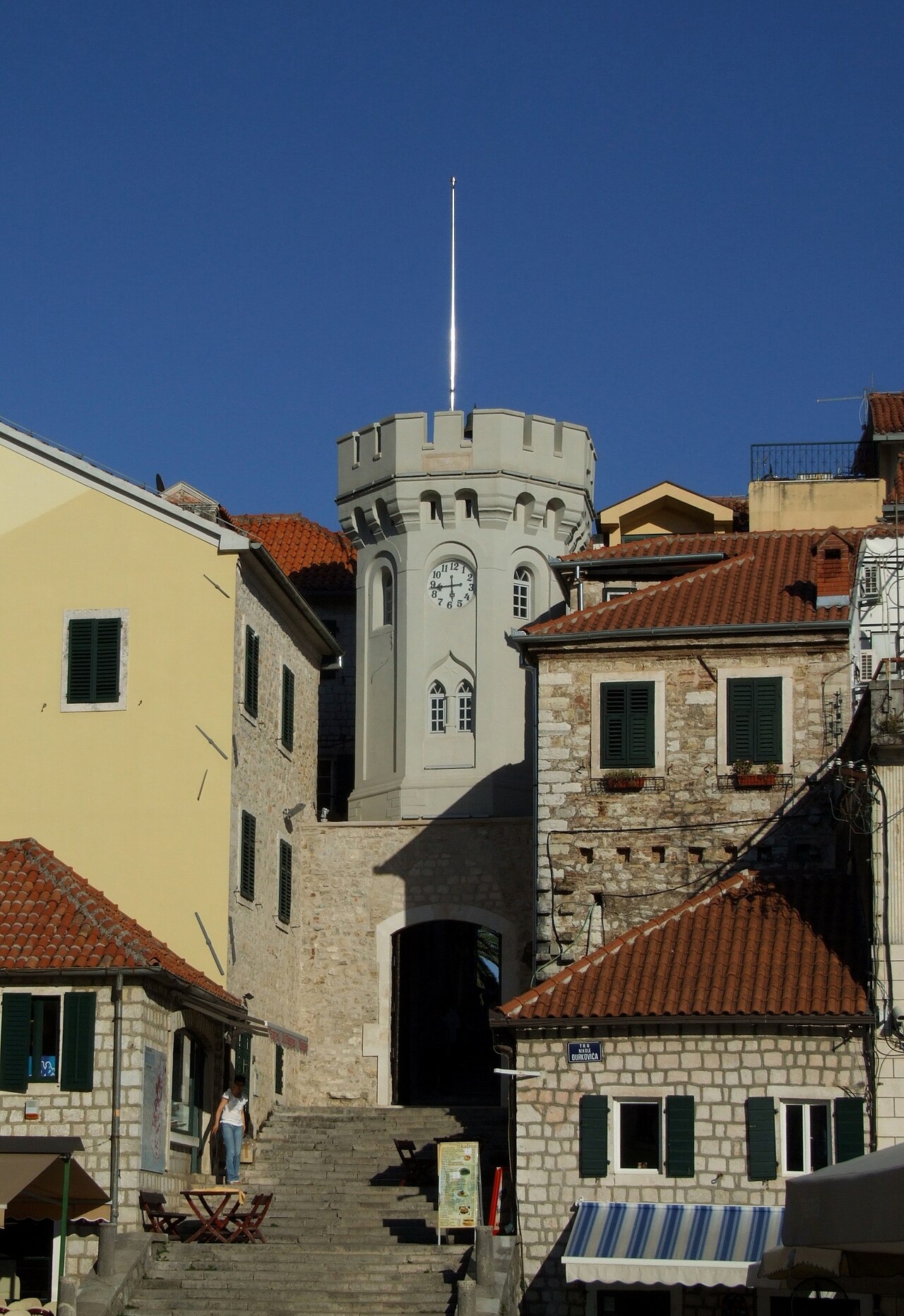
At the heart of the old town, the Belavista square opens beneath the Orthodox Archangel Michael church of 1905, entered through the Ottoman-era Sahat Kula clock-tower gate of 1667. From there stone stairs climb and fall in every direction. Herceg Novi’s returning sea captains planted the exotic species they carried home — mimosa, eucalyptus, agave, palms and cacti — until the whole town became a kind of botanical garden basking in the coast’s mildest climate. That heritage is celebrated each February at the Mimosa Festival, running since 1969, when the yellow blooms fill the promenades in the depths of winter.

The seafront and healing waters of Igalo

The Pet Danica promenade threads several kilometres along the water past small bathing coves and cafés. West lies Igalo, long famous for its peloid — a mineral-rich sea mud drawn from the bay — and the Igalo Institute, a large thalassotherapy spa where the therapeutic mud and mineral springs draw wellness visitors; Tito kept a seaside villa here. Across the bay’s mouth, easily reached by taxi boat, sit the swimming coves of Žanjice and Mirišta, the stone village of Rose, and the glowing Blue Grotto sea cave on the Luštica shore, making Herceg Novi a natural launch point for the outer bay.

Getting there and the seasons

Herceg Novi guards the very entrance to the Bay of Kotor, closer to Dubrovnik than to Podgorica: Dubrovnik Airport is about 35 km away over the Croatian border, and the Kamenari–Lepetane ferry shortcuts the drive toward Tivat and Budva. Its sheltered, sunny microclimate makes it a rare year-round destination on a coast that otherwise sleeps in winter. Beyond the forts and gardens, the hillside Savina Monastery — three Orthodox churches among cypresses above the sea — is a short, peaceful walk from the centre and well worth the detour.

Plan your visit

Line up where to stay and what to do around Herceg Novi.

Official resources & further reading

Frequently asked questions

How do I get to Herceg Novi?
It sits right at the entrance to the Bay of Kotor, about 35 km from Dubrovnik Airport across the Croatian border, or reachable via the Kamenari–Lepetane ferry from the Tivat side.
Is Herceg Novi worth visiting?
Yes — its stacked fortresses, stairway streets and mild, sunny microclimate make it a quieter, less touristed alternative to Kotor with real depth of history.
What’s the best time to visit Herceg Novi?
Its mild climate makes it pleasant nearly year-round; February’s Mimosa Festival is a distinctive time to visit.
How long should I spend in Herceg Novi?
Half a day covers the main fortresses and old town stairways; a full day allows time for the botanical park and Savina Monastery too.

Experiences in Herceg Novi

More in Kotor Bay