Ulcinj
The south coast’s long sandy beaches.
- Best time
- June and September
- Ideal for
- Beach lovers, families, culture seekers
- Time needed
- 1–2 nights
- Getting there
- ~1 hr drive from Podgorica Airport
- Region
- Ulcinj & the south coast
- Nearest airport
- Podgorica Airport (TGD), ~70 km
Ideal for
Beach lovers
Families
Budget travelers
Culture seekers
About Ulcinj
The most southerly town, with an atmospheric old town above the sea and Velika Plaža — a 12 km sweep of sand — just beyond.
Ulcinj is the oldest town on the Montenegrin coast, founded as an Illyrian settlement before becoming the Greek and then Roman colony of Ulcinium. Its fortunes turned darkest under nearly two centuries of Ottoman rule from the 1500s, when the town was a notorious base for Adriatic pirates and, for a time, a slave market — a history still traced in the old town’s narrow, defensible lanes above the sea. Today Ulcinj is the centre of Montenegro’s Albanian and Bosniak Muslim communities, visible in its mosques, language and cuisine, a cultural mix distinct from the rest of the coast. Its draw beyond the old town is scale of sand: Velika Plaža stretches roughly 12 km east toward Ada Bojana, a river island once famed for naturist tourism, giving Ulcinj the softest, widest beaches in a country otherwise dominated by pebbles and rock.
Highlights
Velika Plaža beach
Old town above the sea
Long sandy coast
Where it is
Corsairs and the citadel
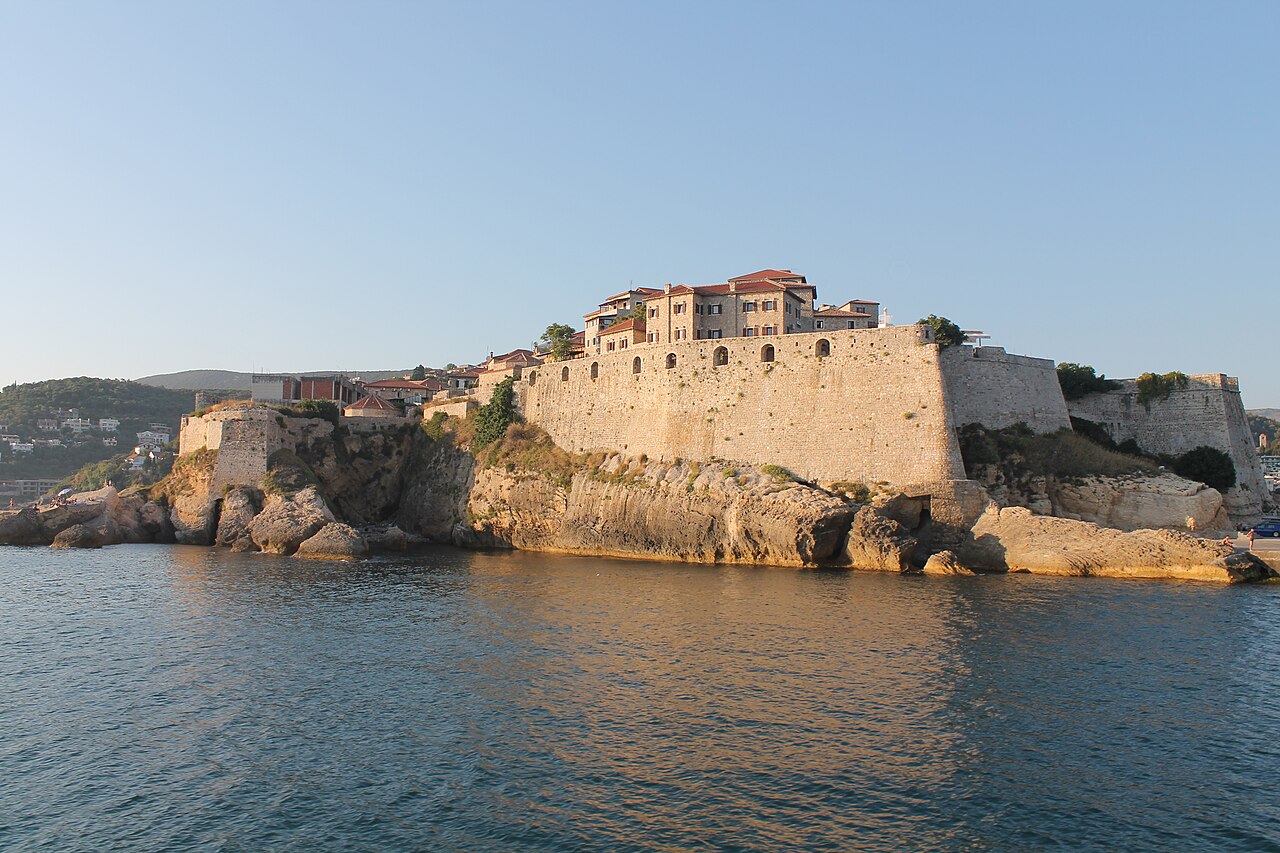
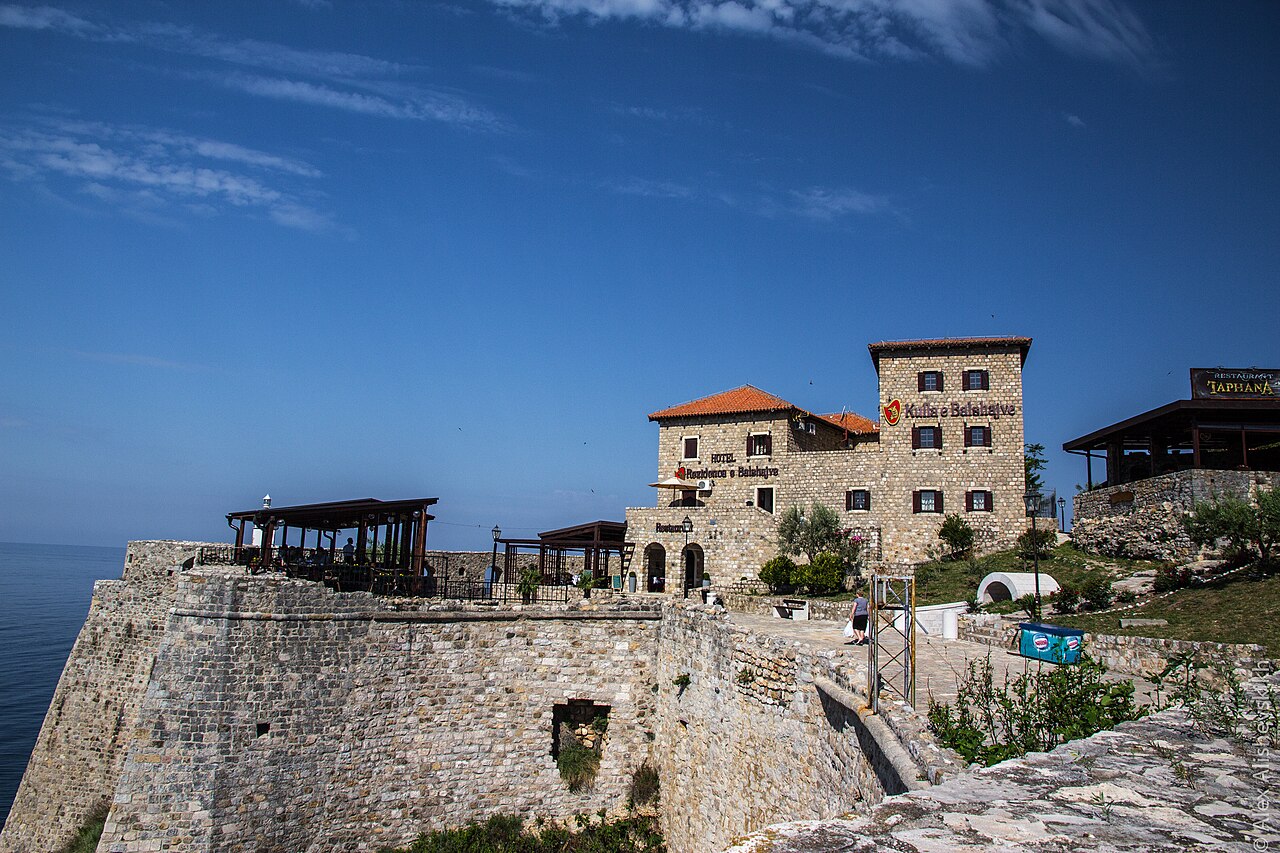
Ulcinj’s Kalaja, the walled old town on a rocky spur above the sea, carries a darker past than most Adriatic citadels. After the Ottomans took it in 1571 it became a notorious corsair haven, and North African pirates settled here, running a slave market whose legacy included a small community of African descent — the ‘Ulcinj Blacks’ — recorded in the town into the 20th century. Within the walls stand the medieval Balšić Tower, a former church turned mosque, and a museum in the old bishop’s palace. The 1979 earthquake scarred the citadel, but its lanes still tumble atmospherically toward the water.
Velika Plaža and Ada Bojana
South of town the coast changes utterly. Velika Plaža — the Big Beach — runs some 12 km of fine grey sand in a shallow, warm arc, so gently shelving that it draws families and, thanks to steady thermal winds, one of the Adriatic’s liveliest kitesurfing scenes. At its far end lies Ada Bojana, a triangular island formed around a shipwreck where the Bojana river meets the sea; a naturist resort since the 1970s, it is ringed by wooden restaurants on stilts serving some of the freshest fish and eel in the country. Inland, reed-fringed Lake Šas adds more quiet birdwatching.
The salt pans and the birds
Between the town and the beach spreads the Ulcinj Salina, a vast former saltworks now recognised as one of the most important bird habitats on the whole Adriatic flyway. Its shallow, briny pools host greater flamingos, avocets, herons and, at migration peaks, tens of thousands of birds staging between Africa and Europe. After years of neglect the pans have been given protected status, and rough tracks along the dikes make for rewarding, uncrowded birdwatching. For anyone interested in wildlife it is as compelling a reason to visit Ulcinj as the sand itself.
A different culture, and when to visit
Ulcinj feels distinct from the rest of the coast. Albanian is widely spoken alongside Montenegrin, minarets punctuate the skyline, and the call to prayer marks the day; the food carries an Ottoman accent, from grilled fish and ćevapi to syrup-soaked sweets like baklava and tulumba. The festivals of Bajram bring a particular buzz. The town lies about an hour from Podgorica Airport and close to the Albanian border, an easy hop to Shkodër. June and September offer warm sea and thinner crowds; July and August are hottest, busiest and most vividly Mediterranean.
Plan your visit
Line up where to stay and what to do around Ulcinj.
Official resources & further reading
Frequently asked questions
How do I get to Ulcinj?
Ulcinj is about 70 km south of Podgorica Airport, roughly an hour’s drive, and also reachable by coastal bus from Bar and Podgorica.
Is Ulcinj worth visiting?
Yes — it combines Montenegro’s oldest old town with its longest beach, Velika Plaža, and a distinct Albanian-influenced culture unlike the rest of the coast.
What’s the best time to visit Ulcinj?
June and September give warm water and quieter beaches; July–August is hottest and busiest.
How long should I spend in Ulcinj?
A full day for the old town, with an extra night or two to properly enjoy Velika Plaža and Ada Bojana.
Experiences in Ulcinj
Velika Plaža, Montenegro
4.0
(4)
Barefoot Yoga on 12 km of Ulcinj Sand
1.5 hours
€45.00
per person
Bar, Montenegro
4.8
(8)
Harvest with the Olive Queen of Bar
3 hours
€35.00
per person
Guest favourite
Velika Plaža, Montenegro
4.4
(8)
Learn to Kite on Velika Plaža’s Endless Shallows
2 hours
€69.00
per person
Bar, Montenegro
4.5
(8)
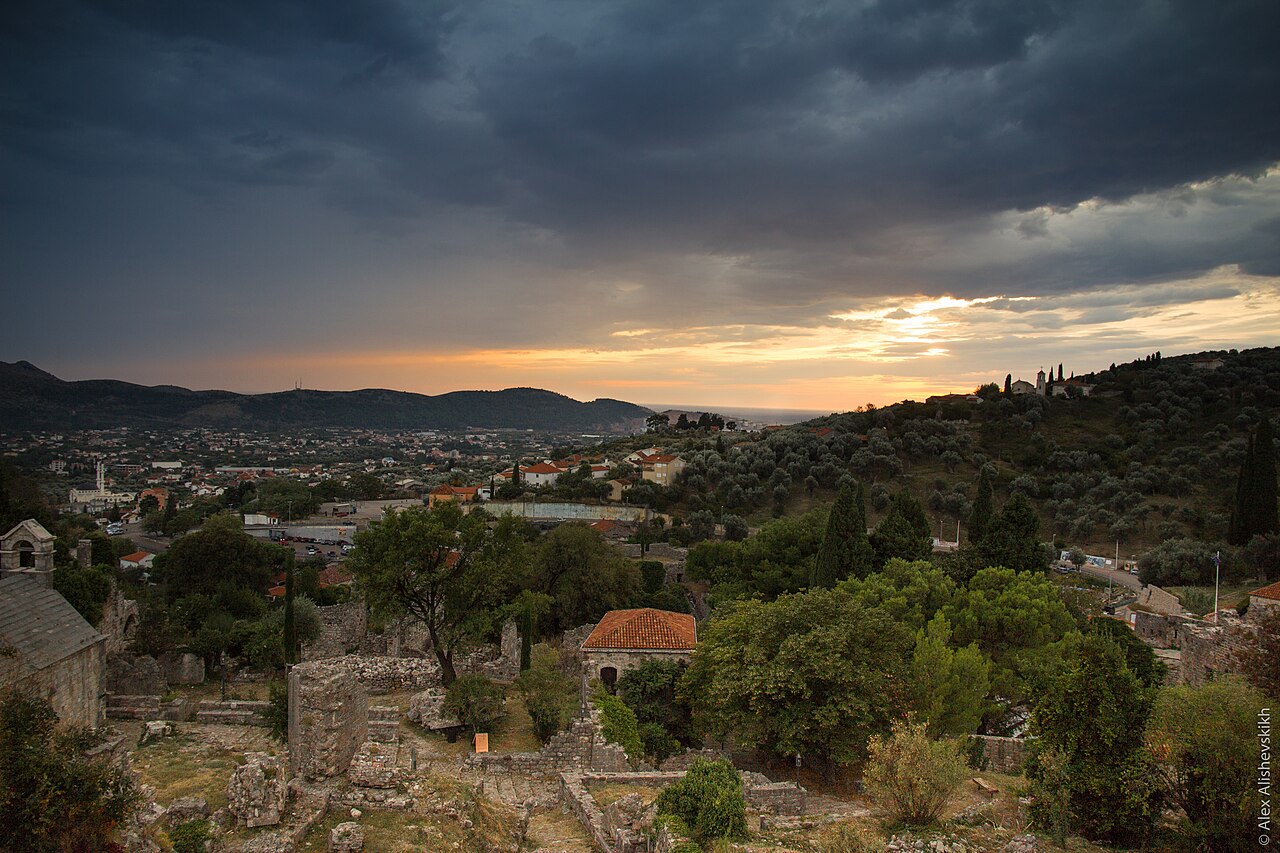
Meet Bar’s 2,000-Year-Old Olive Tree
2 hours
€30.00
per person
Bar, Montenegro
4.7
(94)
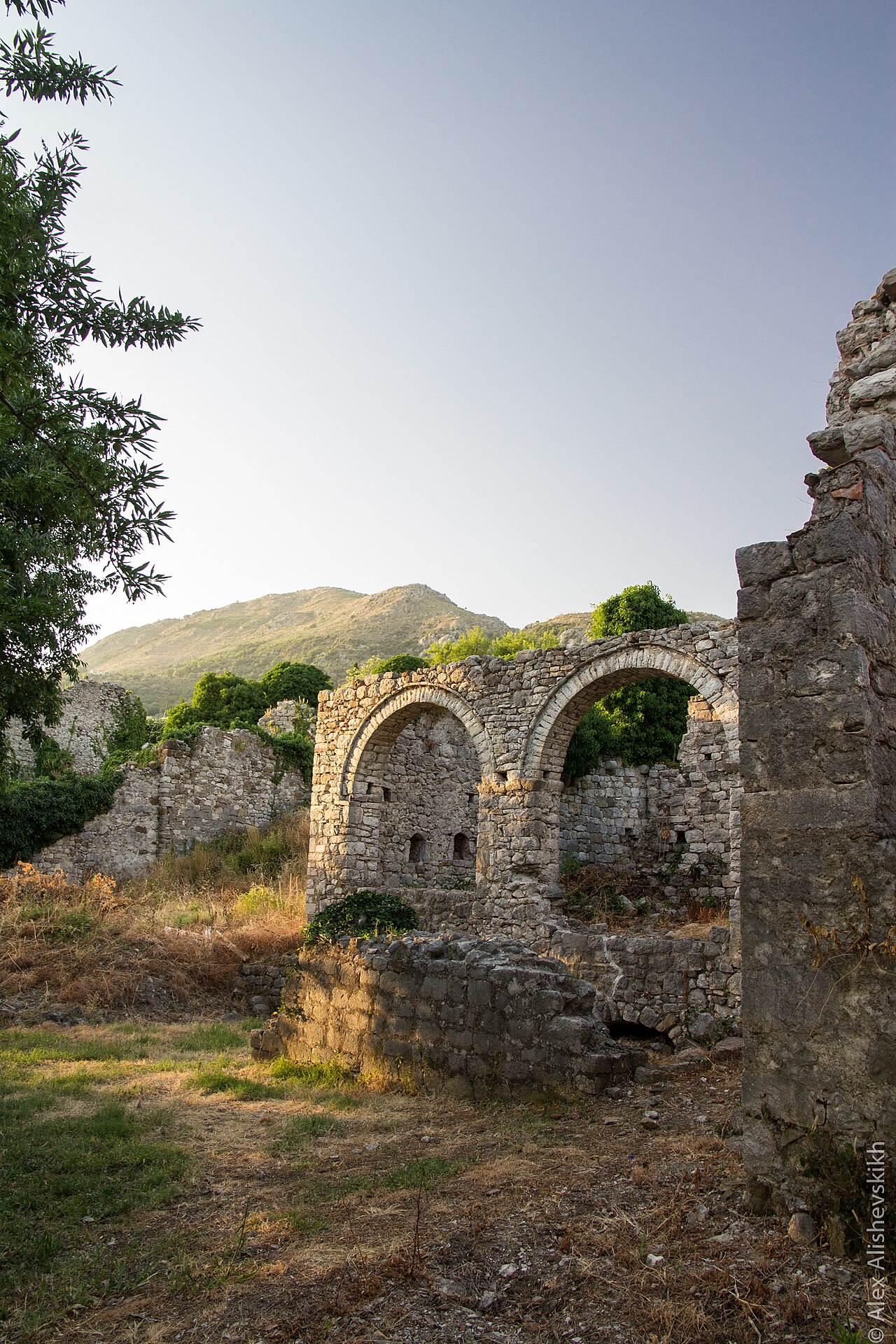
Olive Groves & Village Food Tour near Bar
5 hours
€50.00
per person
Ulcinj, Montenegro
4.1
(8)
Pirates of Ulcinj: Walk the Corsair Citadel
2 hours
€25.00
per person
Stari Bar, Montenegro
4.8
(4)
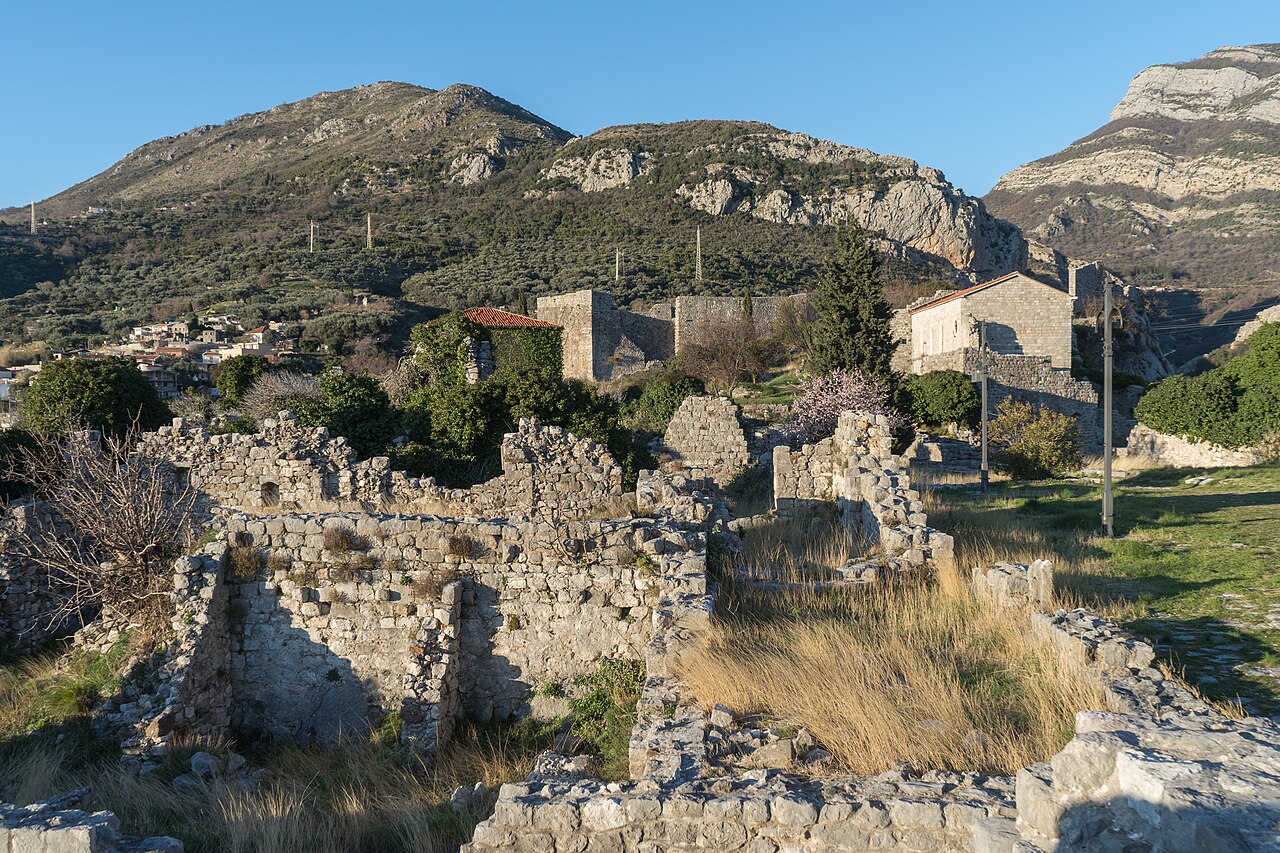
Ruins and Olive Oil: a Stari Bar Afternoon
4 hours
€45.00
per person
Ulcinj, Montenegro
4.2
(4)
Taste Ulcinj’s Olive Belt with the Buzuku Growers
2 hours
€25.00
per person
Velika Plaža, Montenegro
4.0
(4)
Zero to Riding: a Three-Day Kite Course in Ulcinj
3 days (2–3 hours daily)
€330.00
per person