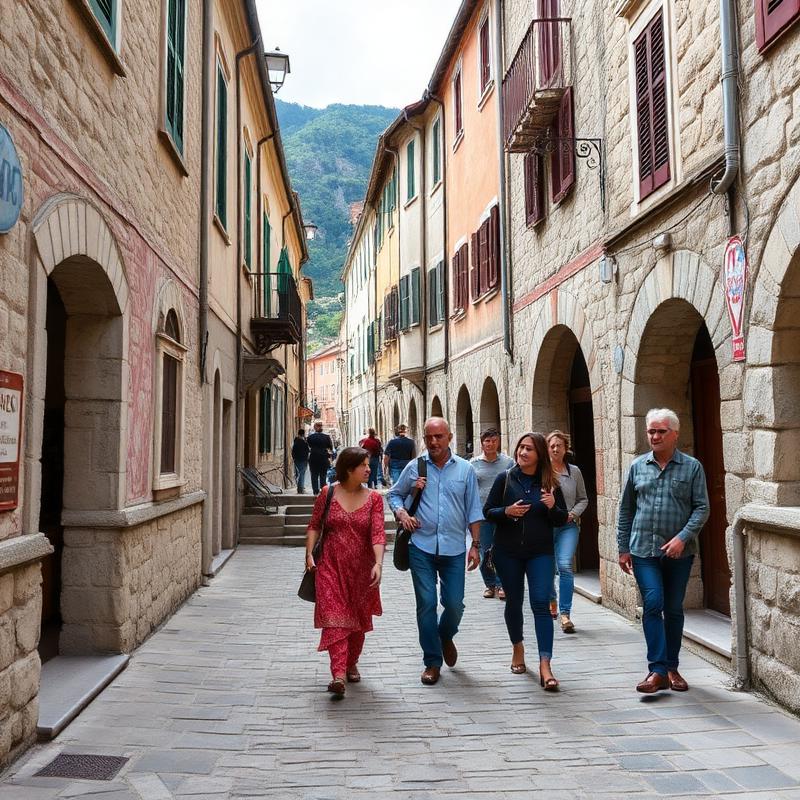
Cetinje
The historic Old Royal Capital.
- Best time
- Spring and autumn
- Ideal for
- History lovers, culture seekers, museum-goers
- Time needed
- Half a day
- Getting there
- 35-min drive from Podgorica Airport or Budva
- Region
- Cetinje & the Old Royal Capital
- Nearest airport
- Podgorica Airport (TGD), ~35 km
Ideal for
History lovers
Culture seekers
Museum-goers
Day-trippers
About Cetinje
Montenegro’s cultural heart: former royal capital, home to museums, the old court and monastery, tucked in a high karst plain below Mount Lovćen.
Cetinje was founded in 1482 by Ivan Crnojević as the seat of Zeta, moving his court to this high, defensible plain below Mount Lovćen — a deliberate retreat from the coast as Ottoman power advanced. It served as capital of the independent Kingdom of Montenegro until unification with Serbia in 1918, and its modest scale still shows: grand for its era, it never grew into a conventional city, and former foreign legation buildings from a dozen countries sit among low stone houses. Cetinje Monastery, rebuilt several times, holds relics venerated across the Orthodox world, including a hand of John the Baptist. The Biljarda, once home to the poet-prince-bishop Njegoš, and King Nikola’s palace now form part of the National Museum of Montenegro — a quieter, more scholarly counterpoint to the coast.
Highlights
Royal court & museums
Cetinje Monastery
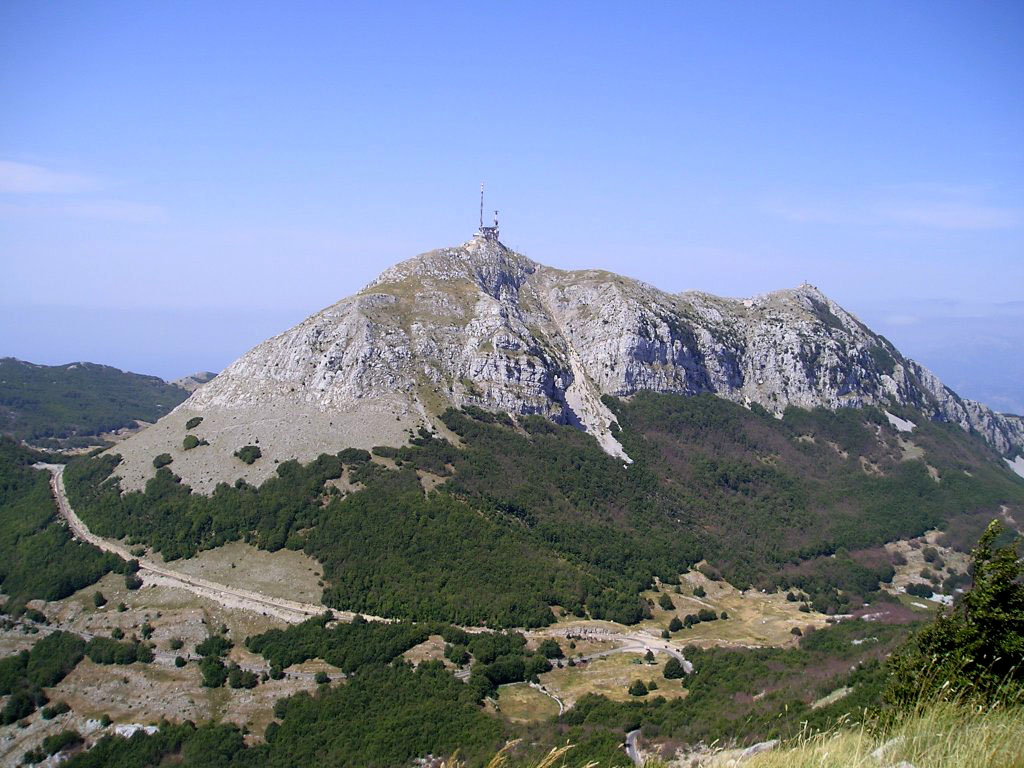
Mount Lovćen
Where it is
The birth of a capital
Ivan Crnojević moved his court to this hidden karst plain in 1482, building a palace and, two years later, the first Cetinje Monastery. His son Đurađ set up the Crnojević printing house here around 1493, one of the earliest presses among the South Slavs, which produced the Oktoih liturgical book in Cyrillic. For the next three centuries the town endured a brutal cycle — sacked and burned by the Ottomans, then rebuilt by its prince-bishops — until Njegoš and his successors in the 19th century finally raised it into a settled capital, laying out the squares and stone streets visitors walk today.
Palaces and museums
Cetinje is really an open-air museum of the Montenegrin state. The National Museum spans several landmark buildings: King Nikola’s Palace, kept much as the royal family left it, with thrones, weapons and portraits; the History and Art museums in the former Government House; and the Biljarda, Njegoš’s fortified residence, named for the billiard table hauled up from the coast, beside a pavilion holding a great relief map of Montenegro. The Ethnographic Museum rounds out the group. Nearby, Cetinje Monastery guards its famous relics, said to include the right hand of St. John the Baptist and a fragment of the True Cross.
The little diplomatic capital
When the 1878 Congress of Berlin recognised Montenegro’s independence, the great powers opened legations in its tiny capital, and their embassies still line the centre. The grandest is the former French Embassy, an Art Nouveau confection of coloured tiles utterly unlike its stone neighbours; others, built for Russia, Britain, Italy and Austria-Hungary, now serve as schools, ministries and academies. This belle-époque flourish, wildly outsized for so small a town, gives Cetinje a faintly surreal grandeur — a capital that dressed for a role far larger than its handful of streets could ever fill.
Lovćen, caves and getting there
Cetinje sits about 35 km from both Podgorica and Budva and makes an easy half-day trip from either, though its cool, elevated air is a relief from the summer coast. Above it looms Lovćen, whose summit mausoleum of Njegoš is a short, scenic drive away, and the old serpentine road down to Kotor begins just beyond the town. Other outings cluster close: the show caverns of Lipa Cave on the outskirts, and the coiling river viewpoint at Rijeka Crnojevića a few minutes further. Spring and autumn are ideal for wandering its museums and quiet, walkable streets on foot.
Plan your visit
Line up where to stay and what to do around Cetinje.
Official resources & further reading
Frequently asked questions
How do I get to Cetinje?
Cetinje is about 35 km from Podgorica Airport and a similar distance inland from Budva, an easy half-day round trip by car or bus from either the coast or the capital.
Is Cetinje worth visiting?
Yes for history and culture — as Montenegro’s former royal capital it holds the country’s key museums, monastery and royal palaces in a compact, walkable centre.
What’s the best time to visit Cetinje?
Spring and autumn are pleasant for walking; being inland and elevated, it’s cooler than the coast in summer.
How long should I spend in Cetinje?
Half a day comfortably covers the monastery, Biljarda and National Museum.
Experiences in Cetinje
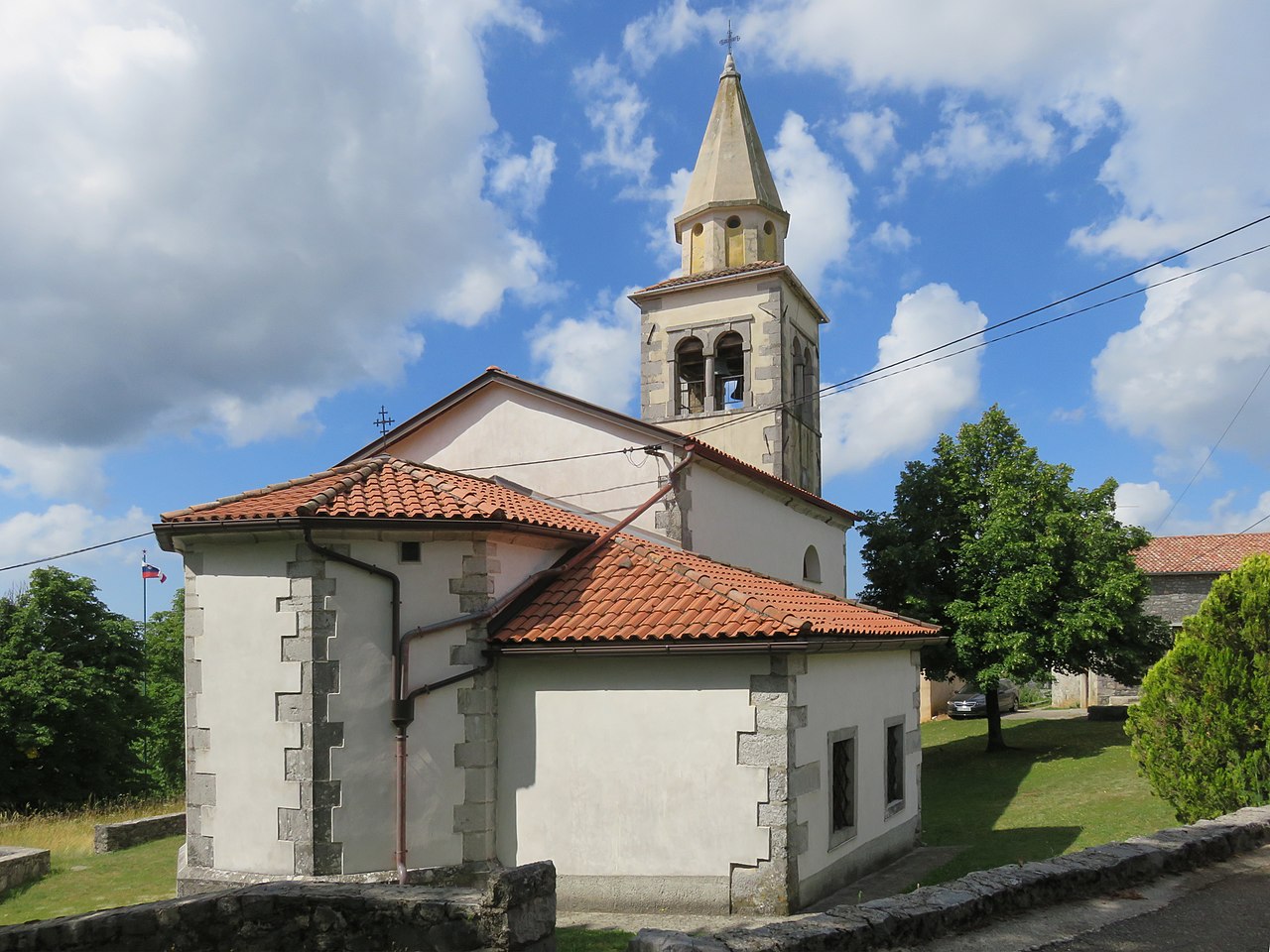
Lipa, Cetinje, Montenegro
4.5
(6)
Lipa Cave After the Lights End
3 hours
€50.00
per person
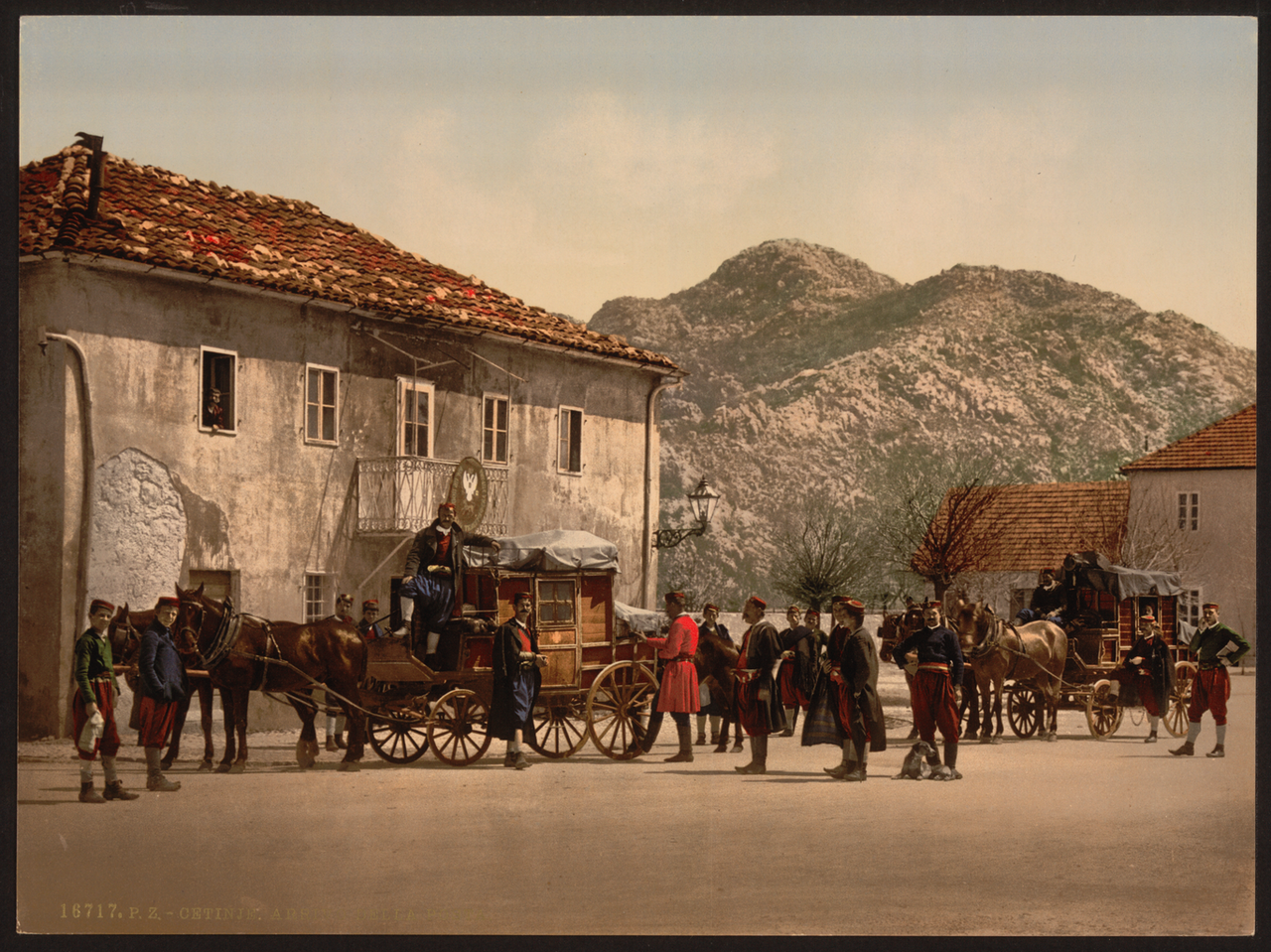
Cetinje, Montenegro
4.6
(5)
Njegoš, Presses and Rare Books: Literary Cetinje
2.5 hours
€25.00
per person
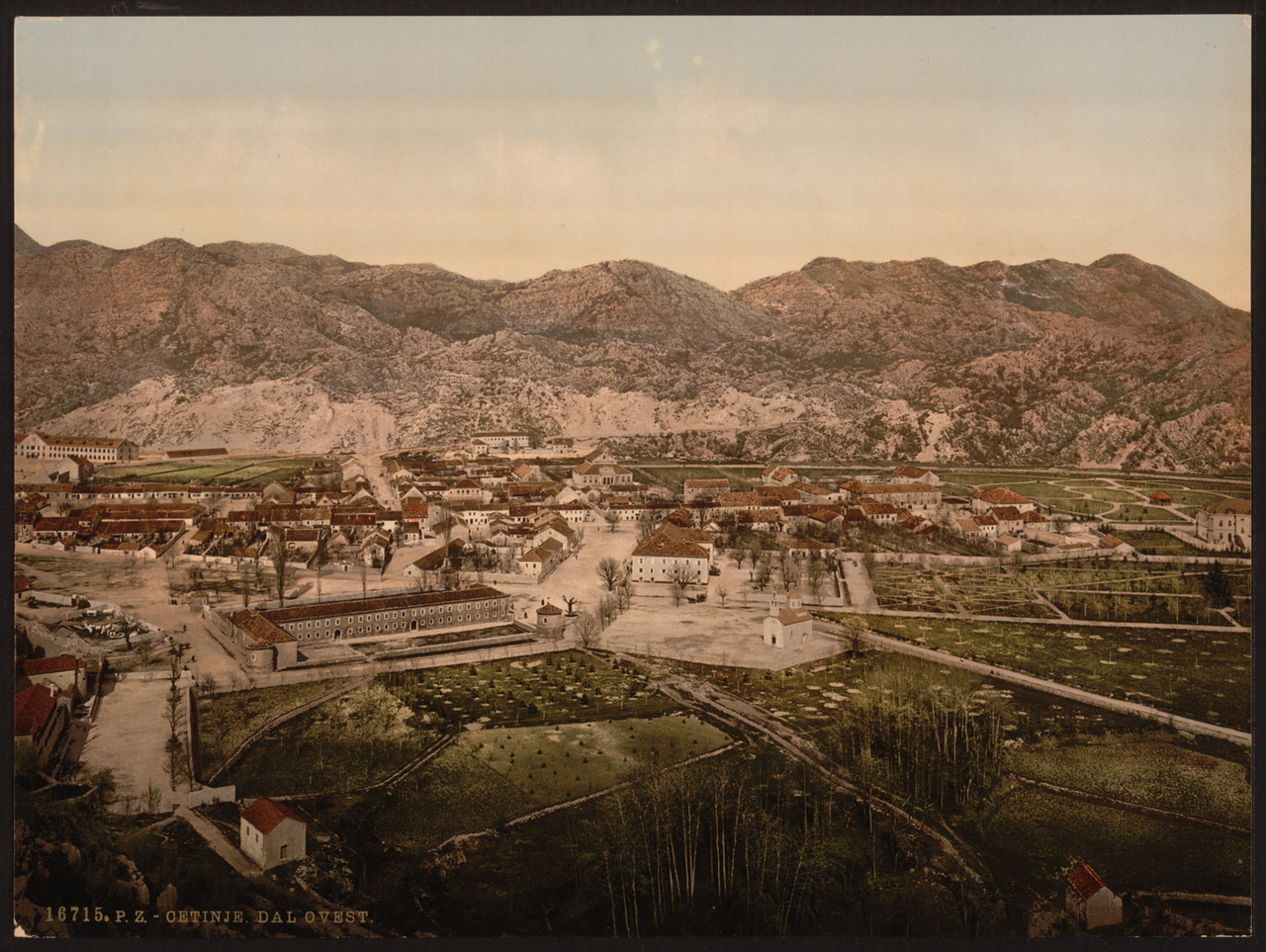
Cetinje, Montenegro
5.0
(3)
Relics and Kings: Cetinje’s Monastery and Museums
3 hours
€35.00
per person
Guest favourite
Lipa, Cetinje, Montenegro
4.3
(3)
Ride the Little Train into Lipa Cave
1 hour
€15.00
per person
Lovćen National Park, Montenegro
3.9
(8)
Walk Up Lovćen to the Njegoš Mausoleum
5 hours
€55.00
per person
Cetinje, Montenegro
4.7
(7)
Walk the Embassy Row of a Vanished Kingdom
2 hours
€20.00
per person