By Djokic
Rain does not have to waste a day in Montenegro. The best bad-weather plan is to switch from exposed viewpoints and mountain roads to old-town museums, churches, caves, long lunches, spas and short walks that can be abandoned quickly if the weather worsens. Kotor, Cetinje, Budva, Tivat and Podgorica have the strongest concentration of reliable alternatives, while Perast and Lake Skadar work better when rain is light and visibility remains good.
This guide is for travelers facing one wet day—or an unsettled forecast—who need to decide what is genuinely worth doing, where to base the day and which activities to postpone. It includes realistic plans for the Bay of Kotor, Budva, Cetinje and central Montenegro, plus advice for families, drivers and visitors without a car.
What are the best things to do in Montenegro when it rains?
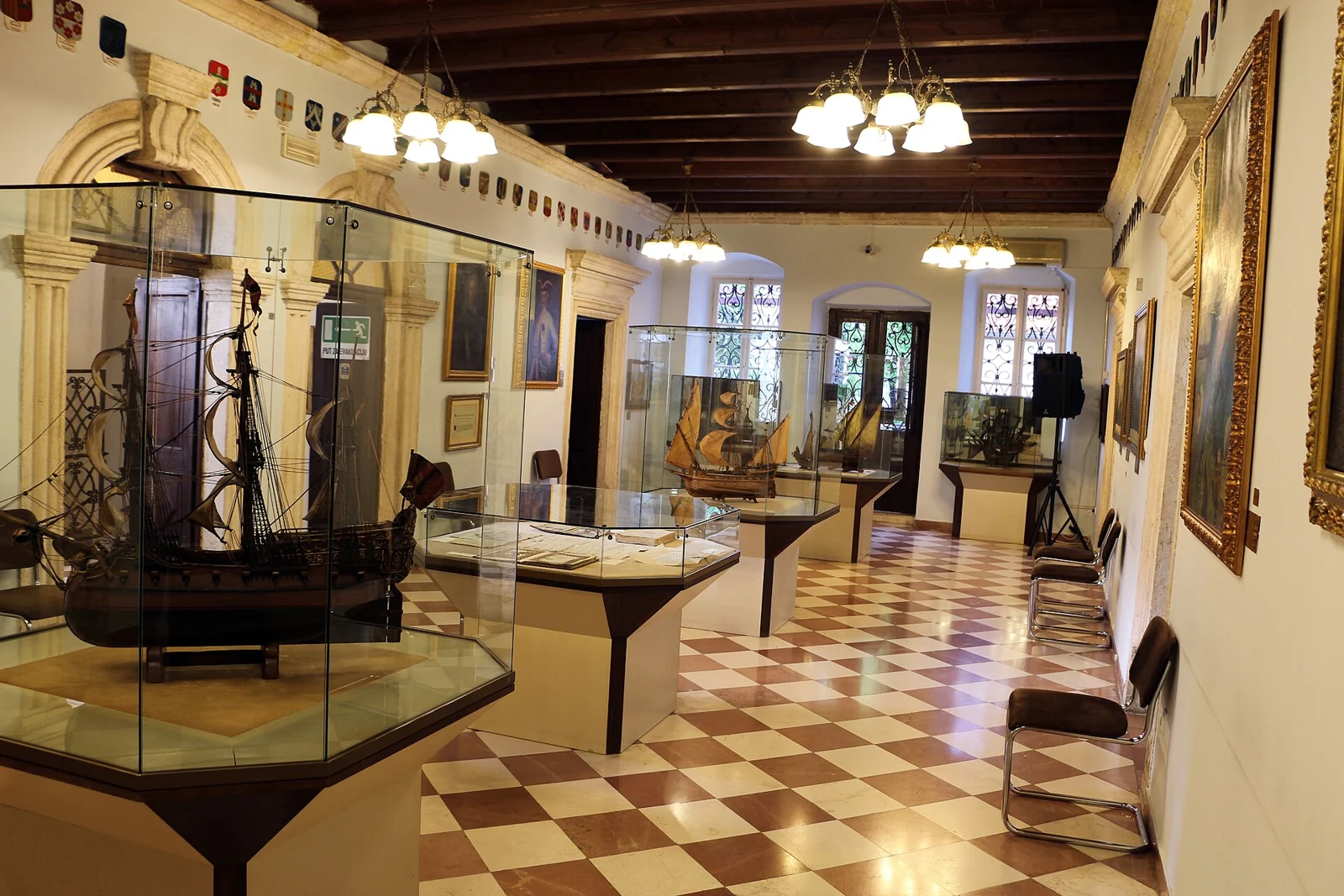
The best things to do in Montenegro when it rains are visiting the Maritime Museum and churches in Kotor, exploring the museums of Cetinje, touring Lipa Cave when it is operating, choosing a spa or wellness afternoon, and building a food-focused day around a town with several indoor stops. If the rain is intermittent rather than stormy, add a short old-town walk in Kotor or Budva between showers.
A useful rule is to choose one compact base, not a cross-country itinerary. Montenegro looks small on a map, but rain slows traffic, reduces visibility and makes ambitious mountain transfers less rewarding. A day with three good indoor visits and a relaxed meal is usually better than six hours in a car chasing clearer skies.
Quick choices by location
- Staying in Kotor or Perast: use Kotor Old Town as your base for the Maritime Museum, Cathedral of Saint Tryphon, churches and cafés.
- Staying in Budva: combine Budva Old Town, its small museums and galleries, then move to a spa or a long lunch if the rain becomes heavy.
- Staying near Cetinje: make a museum day in the former royal capital; consider Lipa Cave only after checking current opening and tour conditions.
- Staying in Tivat: choose the Naval Heritage Collection area, cafés and a hotel spa; add a waterfront walk only during a dry interval.
- Staying in Podgorica: use museums, galleries, restaurants and shopping as dependable all-weather options.
- Staying in the mountains: do not force a panoramic drive. Ask your host about road and trail conditions, and keep the day local.
First decide: light rain, steady rain or a real storm
The right plan depends more on the type of weather than on the town. A forecast icon alone is not enough: coastal showers can arrive in short bursts, while prolonged rain can bring poor visibility, standing water and difficult driving.
Light or intermittent rain
Light rain is often compatible with old towns. Stone lanes, covered doorways, churches and cafés let you alternate short outdoor segments with indoor visits. This is a good day for exploring Kotor at a slower pace or walking a compact section of Budva. Wear shoes with grip: polished limestone and steep steps become slippery.
Boat trips are a separate decision. Do not assume that “only rain” means a comfortable cruise. Wind, swell and visibility matter more than rainfall. Confirm directly with the licensed operator on the morning of departure and accept a cancellation without trying to replace it with an unverified offer.
Steady rain
For several hours of continuous rain, choose an indoor cluster. Kotor’s museum-and-church circuit, Cetinje’s museums, or a spa day work well because you are not repeatedly getting wet between distant attractions. Keep lunch close to the main sights and avoid parking far outside town if local access is already slow.
Thunderstorms, strong wind or flood warnings
During a serious storm, safety replaces sightseeing. Stay away from exposed ridges, canyon roads, sea walls and fast-flowing water. Do not enter caves, hike, kayak or take a small boat unless an authorized operator confirms conditions are safe. Follow local civil-protection guidance and ask your accommodation host about the immediate area.
If you are driving, remember that rockfall, water on the road and low cloud can make mountain routes risky even when the coast looks calm. A hotel, apartment, restaurant or shopping center is a perfectly sensible destination until conditions improve.
Best rainy-day plan in Kotor and the Bay of Kotor
Kotor is Montenegro’s most practical rainy-day base because its main indoor sights are close together. The Old Town is atmospheric in soft rain, but the real advantage is logistical: you can move between a museum, cathedral, churches and cafés without committing to a long exposed walk.
Start with the Maritime Museum of Montenegro
The Maritime Museum is the strongest indoor anchor in Kotor. Its collection explains how the Bay’s seafaring families, captains and trade networks shaped the region. It gives context to the palaces and churches outside, so it is more useful than treating it merely as shelter from rain.
Allow roughly an hour, more if you read exhibits carefully. Confirm current opening hours before leaving your accommodation, especially on Sundays, public holidays and outside the main season. Small museums may change hours seasonally.
Add Saint Tryphon Cathedral and selected churches
Kotor’s religious buildings make a natural second layer. Saint Tryphon Cathedral is the major landmark, while smaller Orthodox and Catholic churches help explain the city’s mixed cultural history. Dress respectfully, keep voices low and remember that worship may take priority over tourism.
Do not race through every doorway simply to complete a list. Choose two or three interiors, then take time over lunch. For broader context before or after your wet-weather circuit, use the Bay of Kotor travel guide.
Skip the fortress climb in poor conditions
The climb above Kotor should be postponed in heavy rain, thunder, low visibility or when the stone is slick. The view is the point of the effort, and wet steps add avoidable risk. Move it to the first dry morning rather than trying to prove the day is not “lost.”
Should you visit Perast in the rain?
Perast can be beautiful under clouds, but it is not the best answer to driving rain. Its appeal depends on the waterfront, bay views and boat access to Our Lady of the Rocks. Choose Perast when rain is light, wind is low and visibility is reasonable; choose Kotor’s indoor cluster when the weather is severe.
If conditions improve, Perast is an easy add-on rather than an all-day rescue plan. Check boat operations locally and never pressure a skipper to depart in marginal weather.
Best rainy-day plan in Cetinje
Cetinje is the best choice for travelers who want a genuinely museum-led day rather than a compromised outdoor itinerary. The former royal capital has several cultural institutions within a relatively compact area, and its history makes sense as a connected story.
Begin with the national-museum collections that interest you most, then add the former royal residences, art or historical exhibitions available that day. Opening patterns can vary, so check the National Museum of Montenegro or contact the institution before committing to the drive.
Use the Cetinje destination page to orient your visit. A sensible rainy itinerary is:
- Arrive after opening time rather than very early.
- Visit one substantial museum collection before lunch.
- Have a slow lunch or coffee in the center.
- Choose one or two further interiors based on current opening hours.
- Return before darkness if cloud or rain is affecting the mountain road.
Is Lipa Cave a good rainy-day activity?
Lipa Cave near Cetinje can be a strong all-weather-looking option, but it should not be treated as automatically available. Tours are guided, operations may be seasonal, access includes an outdoor component, and severe weather can affect schedules. Reserve or confirm directly before driving there.
The cave is cool even when the coast is warm. Take a layer and closed shoes with grip. Families should check age suitability, walking demands and tour duration when booking. Never attempt unofficial cave access.
What to do in Budva and Tivat when it rains
Budva and Tivat are useful for a mixed plan: one or two cultural stops, a good meal, then wellness or another comfortable indoor activity. Neither requires inventing an exhausting itinerary.
Budva: Old Town in short, sheltered stages
In Budva, use dry intervals for the Old Town and walls, then move inside for available museum or gallery collections. The lanes can be slippery, and wind-driven rain may make the seafront unpleasant, so keep the route compact.
Budva also has a larger year-round service base than small resort settlements. That means more realistic choices for lunch, wellness and practical shopping outside peak summer. Ask your hotel which facilities are currently open rather than relying on an old online list.
Tivat: naval heritage, cafés and wellness
Tivat works well when you want comfort more than medieval atmosphere. The town’s naval-heritage displays and marina-area venues can fill part of the day, while larger hotels may offer spa access subject to reservation and day-pass rules. A waterfront stroll is worthwhile only when wind and rain ease.
Wellness is not a consolation prize after sightseeing fails. On a multi-stop Montenegro trip, a deliberate rest afternoon can improve the following days—especially after hiking, driving or summer heat.
Food-focused ways to use a wet day
A rainy day is a good time to learn Montenegro through food, but choose experiences with substance rather than sitting in the first tourist-menu restaurant for four hours.
Look for a meal that helps you compare coastal and inland cooking. On the coast, ask about seasonal fish, black risotto, mussels or octopus salad. Around Cetinje and the Lovćen area, look for Njeguški pršut, local cheese, kačamak or slow-cooked meat. The guide to Montenegrin cuisine explains the regional differences and useful dishes to recognize.
Wine tasting can work if it is pre-arranged and nobody in your group needs to drive afterward. Family wineries often receive visitors by appointment rather than maintaining drop-in hours. Call first, confirm that the tasting is indoors, and use a taxi or designated driver. The same applies around Lake Skadar, where the landscape is attractive in changing weather but narrow roads and cellar visits require planning.
Cooking classes, hosted tastings and market visits may be available through local providers. Browse current Montenegro experiences and products and verify the meeting point, cancellation policy and minimum participant requirement before booking.
A one-day rainy Montenegro itinerary without a car
Without a car, the best rainy plan is local. Buses are useful for planned town-to-town travel, but they are a poor tool for improvising a multi-stop weather chase. Timetables may be less frequent outside summer, and waiting outdoors can erase the benefit of visiting another town.
If you are based in Kotor
Spend the morning in the Maritime Museum and cathedral area, have lunch inside the Old Town, then choose another church, a café or a spa reachable by taxi. Keep the fortress and Perast for a clearer period.
If you are based in Budva
Use the Old Town during the lightest rain, then settle into an indoor lunch and a reserved wellness session. If you want Kotor, take a direct bus or taxi only after checking traffic and return times; do not build the day around multiple connections.
If you are based in Cetinje
Make the museums the day’s purpose. Everything else is optional. A taxi to Lipa Cave makes sense only with a confirmed tour and return arrangement.
If you are based in a small coastal village
Ask your host which restaurants and services are operating. In low season, staying warm and dry locally may be smarter than waiting beside a road for an infrequent bus. Save your travel energy for the next clear day.
For a broader transport plan, see the seven-day Montenegro itinerary without a car.
Rainy-day ideas for families with children
For families, the best bad-weather day has one main attraction, food at a predictable time and enough flexibility to stop early. Museums can work well if adults choose a clear story—ships and captains in Kotor, royal life in Cetinje—rather than expecting children to read every label.
Useful options include:
- the Maritime Museum followed by a short Old Town treasure hunt;
- a confirmed guided visit to Lipa Cave for children comfortable with enclosed spaces;
- a hotel pool or family-friendly wellness facility with explicit child-access hours;
- a relaxed restaurant meal followed by a board-game or film afternoon;
- a short aquarium or educational visit if current opening information and transport make sense.
Do not use a rainy day for a long mountain drive simply because children are contained in the car. Motion sickness, fog and repeated stops can make it the hardest possible choice. The Montenegro family itinerary can help you move flexible outdoor days around without losing the structure of the trip.
Activities to postpone when the weather is bad
Some Montenegro experiences are not improved by determination. Postpone them when the forecast removes the view or adds meaningful risk.
Mountain hikes and exposed viewpoints
Avoid ridge walks, summit routes and unfamiliar trails in thunderstorms, strong wind, low cloud or prolonged rain. Wet limestone is slippery, trail markings can be harder to follow and rescue is more difficult. Check official local guidance before returning to the mountains.
Canyon drives and ambitious road loops
The Kotor serpentine, Durmitor Ring and remote canyon roads are scenic routes, not efficient wet-weather shortcuts. Low cloud can erase the view while rain increases driving stress. If you must travel, choose the safest necessary route and allow more time; otherwise reschedule.
Small-boat excursions and water sports
Sea kayaking, SUP, open speedboats and cave trips depend on wind and sea state. Operators should make the safety call. A commercial listing or prepaid booking is not evidence that conditions are safe.
Old-town walls and steep stone steps
Fortifications in Kotor, Budva and Stari Bar can become slippery. Visit ground-level interiors instead and return in dry weather. Your ticket list is not more important than a safe trip.
Common mistakes travelers make on a wet day
Trying to outrun the weather across the country. Montenegro has sharp local contrasts, but a two-hour transfer based on an app can end under the same cloud. Choose quality over distance.
Assuming every attraction is open year-round. Museums, caves, boat services and restaurants may reduce hours outside summer. Confirm on the same day.
Trusting only the rain percentage. Wind, thunder, visibility and road conditions matter. Compare an official forecast with local advice from your accommodation or operator.
Wearing smooth-soled shoes. Old-town stone becomes slick. Closed shoes with grip are more useful than an umbrella in strong coastal wind.
Forcing the original itinerary. A flexible trip protects its best experiences. Move the hike or boat trip, use the wet day for culture and food, and keep one buffer period whenever possible.
Booking an unlicensed substitute at the last minute. Bad weather can attract risky promises. Use established providers, confirm insurance and cancellation terms, and accept that some activities should not operate.
Frequently asked questions
Does it rain all day in Montenegro?
Sometimes, but many coastal rain events arrive in bands with clearer intervals. Mountain and inland conditions can differ significantly. Plan one dependable indoor anchor and treat any dry spell as a bonus rather than building the day around a precise hourly icon.
Is Kotor worth visiting in the rain?
Yes. Kotor is Montenegro’s best rainy-day old town because the Maritime Museum, cathedral, churches, cafés and historic lanes are close together. Skip the fortress climb in poor conditions and focus on interiors and short walks.
Is Budva good when the weather is bad?
Budva is workable rather than ideal in heavy rain. Its Old Town offers short cultural stops, while the larger year-round town provides restaurants, shops and wellness options. In light rain it is pleasant; in a storm, choose a comfortable indoor venue.
Can I visit Lake Skadar in the rain?
Light rain and calm wind can create atmospheric views, but boat trips depend on visibility, wind and operator judgment. In severe weather, postpone the lake and choose Cetinje or Podgorica. Never assume a covered boat makes dangerous conditions acceptable.
Should I rent a car for a rainy day?
A car adds flexibility but does not make mountain roads safe or viewpoints visible. Rent only if it supports a simple route, and check insurance, tires, parking and current road conditions. Travelers already based in Kotor, Budva or Cetinje can create a strong wet-weather day without one.
What should I pack for rain in Montenegro?
Bring a light waterproof jacket, compact umbrella, closed shoes with grip, a warm layer and a waterproof pouch for documents and electronics. In the mountains, conditions can be much colder than on the coast, so pack for the highest point of your route, not just your hotel.
Where to go after the clouds clear
After a wet day, resist the urge to fit every postponed activity into one morning. Pick the experience most dependent on clear conditions: the Kotor fortress view, a safe boat trip toward Perast, a Lake Skadar cruise or a mountain hike. Then keep the rest of the schedule realistic.
Explore the full collection of Montenegro places to choose the best nearby alternative, browse the travel journal for destination-specific planning, or review current experiences and products once conditions are suitable.
The central lesson is simple: when it rains in Montenegro, reduce the distance and increase the depth. One museum, one historic interior, one memorable meal and one flexible dry-weather walk can make a better travel day than an exposed checklist completed in discomfort.